
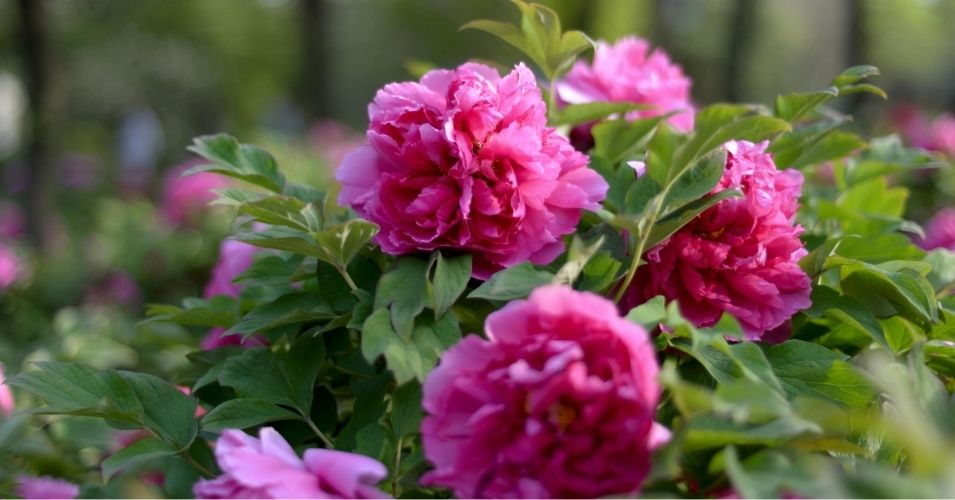
Peonies bring charm, fragrance, and bold color to the garden, but their beauty becomes even more striking when surrounded by plants that complement their full blooms.
The right companions can support the peony’s shape, highlight its petals, protect the soil, and add layers of interest that last long after the peony flowers fade.
Some plants offer steady foliage that frames the blossoms, while others bloom at different times to stretch the season of color.
This guide will introduce you to the best companion plants for peonies and explain how each one adds balance, depth, and harmony to the garden.
Foliage Partners That Highlight Peony Blooms

Peony flowers stand out beautifully on their own, but pairing them with foliage plants that offer contrast in shape, texture, and color can make their blossoms appear even more vibrant.
Foliage partners help frame the large, full peony flowers, drawing the eye toward their soft petals and adding structure to the surrounding garden space. The right foliage plants provide support, balance, and visual depth without overpowering the peony itself.
One excellent foliage partner is hosta, which delivers broad leaves in many shades ranging from deep green to soft blue or creamy variegation.
Hostas form full clumps that create a gentle backdrop under peony stems, making the large blossoms appear brighter against the wide leaf surface. Their sturdy presence adds calmness to the planting area and balances the airy look of peony blooms.
Another effective choice is heuchera, known for its vibrant leaf colors, including burgundy, caramel, lime, and silver. Heuchera plants stay compact, which makes them perfect for planting near the front of peony beds. The contrasting tones of heuchera foliage intensify the appearance of peony petals, especially when the blooms are pale or softly colored.
Gardeners looking for a softer texture to pair with peonies often select lady’s mantle. Its rounded leaves catch morning dew, adding sparkle to the garden, and the soft green shade provides a gentle contrast that enhances the elegance of peonies. Lady’s mantle fills gaps around the base of the shrub without competing for height.
A more architectural partner is brunnera, a plant with heart-shaped leaves marked by silver or white patterns. Brunnera leaves reflect light and create a glowing base beneath peonies, especially in partially shaded areas. Their structure brings a sense of refinement that pairs well with the classic look of peony flowers.
By combining peonies with foliage partners such as hosta, heuchera, lady’s mantle, and brunnera, you add layers of texture and color that highlight each blossom.
These plants work together to create an appealing balance, where the foliage elevates the peonies and the peonies bring softness to the structured greenery around them.
Steady Spring Companions for Early Garden Color
Peonies arrive in late spring, but many gardeners look for plants that bring color and activity into the garden earlier in the season so that the transition into peony bloom time feels smooth and lively.
These steady spring companions help fill the garden with brightness during the weeks when peonies are still waking up, and they prepare the stage for the dramatic blooms that follow.
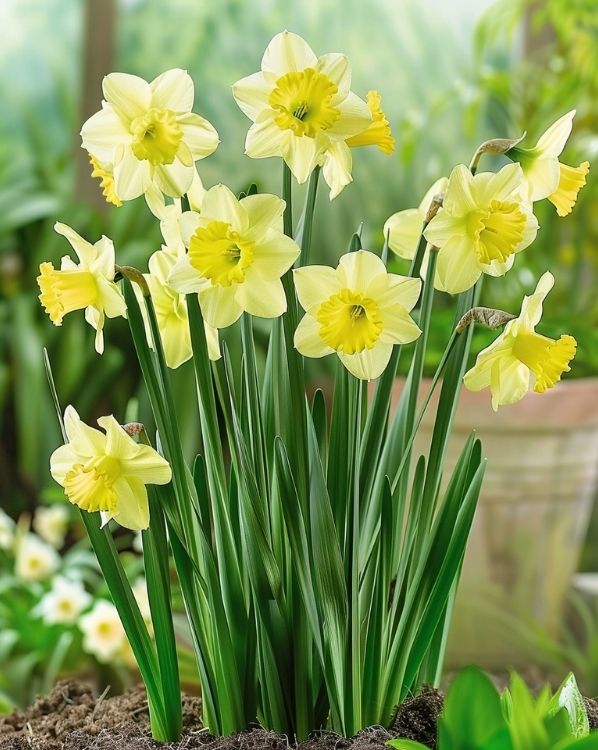
By planting companions that thrive in cool weather, you create a garden that carries color from early spring straight into peony season. One reliable spring companion is the daffodil, a cheerful flower that appears long before peonies open.
Daffodils bring warm yellow and white tones that brighten the landscape and add shape to the garden bed. Their upright form complements the rounded shape of emerging peony stems, and their bloom time helps mark the start of the season.
Another lovely choice is the tulip, a flower known for its wide range of colors and elegant form. Tulips grow in clusters that add height and structure during the early part of spring, and they fade just in time for peonies to take center stage. Planting tulips near peonies creates a pleasing progression of color and form.
Gardeners who enjoy soft, delicate blooms may choose bleeding heart. Its arching stems and heart-shaped flowers create a gentle, graceful look that contrasts beautifully with the boldness of peonies. Bleeding heart grows well in partial shade, making it ideal for planting near peonies in mixed beds.
Another steady spring companion is primrose, which brings vivid color in low-growing clusters. Primroses add brightness to the ground plane while peonies are still short, helping the garden feel full and lively even before the main blooms arrive. Their long blooming period carries color through much of early spring.
Adding spring favorites such as daffodils, tulips, bleeding hearts, and primroses around peonies keeps the garden lively well before peak bloom arrives.
This thoughtful mix carries color seamlessly from early spring into late spring, building anticipation for the dramatic flowers that soon take center stage.
Tall Background Plants That Frame Peony Displays

Peonies create a bold, luxurious presence in the garden, and adding taller background plants behind them helps frame their blooms and create a layered, visually rich display.
These taller companions do not compete with peonies. Instead, they provide height, structure, and a backdrop that makes each peony flower appear fuller and more dramatic. With the right background plants, your peony bed becomes a complete scene rather than a single focal point.
A popular tall companion is delphinium, known for its impressive spires of blue, purple, white, or pink flowers. Delphinium adds elegant vertical lines that contrast beautifully with the rounded shape of peony blossoms.
When placed behind peonies, its height creates a natural frame that draws the eye upward and adds movement to the planting area. The combination of tall spires and wide peony blooms creates an unforgettable garden display.
Another excellent choice is foxglove, which grows in graceful towers covered in bell-shaped flowers. Foxglove brings charm and height without overwhelming the peonies, and its soft colors blend well with both pastel and bold peony varieties. The tall form of foxglove helps balance the heavy peony flowers and adds depth to the garden bed.
Gardeners who prefer a classic cottage style often use hollyhock as a background plant. Hollyhock offers tall stalks lined with large blooms, and it grows in shades that complement nearly any peony. The upright form of hollyhock serves as a gentle wall behind the peonies, giving the planting a more complete, polished feel.
For a softer texture, goat’s beard is a beautiful option. It produces tall, feathery plumes that lighten the look of the garden and add contrast to the dense and full nature of peony blooms. Goat’s beard thrives in partly shaded spaces and works well in the back of mixed borders.
Positioning taller plants like delphinium, foxglove, hollyhock, and goat’s beard behind peonies introduces height and depth to the planting scheme.
The interplay of vertical lines and rounded blossoms creates a layered garden scene that feels cohesive, polished, and visually striking.
Summer Bloomers That Can Extend Color After Peonies Fade

Peonies offer a breathtaking show in late spring and early summer, but their bloom period is short, and many gardeners want color that carries on after the peonies finish. Choosing summer-blooming companion plants keeps your garden vibrant and full even after the peonies are no longer in bloom.
These plants step in naturally, filling the space with fresh blossoms and helping the garden maintain rhythm and brightness throughout the warm months.
One dependable summer bloomer is coneflower, a hardy perennial with daisy-like flowers that appear in bold shades of pink, purple, white, or orange. Coneflower adds height and long-lasting color, creating a smooth transition after peony season. Its strong stems and cheerful blooms make the garden feel lively well into late summer.
Another excellent choice is Shasta daisy, which produces clean white petals surrounding sunny yellow centers. Shasta daisies brighten the garden and contrast beautifully with the green foliage left by peonies. Their crisp appearance helps refresh the look of the garden beds once peony blossoms fade.
Gardeners who want a more dramatic flair often turn to daylilies, which offer vibrant trumpet-shaped blooms in countless colors. Daylilies bloom repeatedly throughout summer and add reliable energy to the garden at a time when many spring plants have already finished blooming. Their arching leaves also blend well with the sturdy foliage of peonies.
For a softer, more romantic touch, astilbe offers feathery plumes that rise above attractive foliage. Astilbe thrives in light shade and delivers blooms in pink, white, red, or lavender. It complements peony foliage beautifully and adds grace to the garden long after the peonies have stopped flowering.
By planting summer bloomers such as coneflower, shasta daisy, daylily, and astilbe near your peonies, you extend the season of color and maintain visual interest throughout the warmest months.
These plants keep the garden full, balanced, and alive, ensuring that beauty continues even after the peonies complete their brief but spectacular show.
Ground Level Plants Protect Soil Around Peonies

Peonies grow stronger and more stable when the soil around them is protected, and ground-level companion plants create a natural shield that helps the garden stay healthier throughout the season.
These low-growing partners help regulate soil temperature, reduce moisture loss, and prevent weeds from competing with the peony roots.
They also add beauty and texture to the base of the plant, filling the space beneath the tall stems with color and softness that enhances the overall garden design. One helpful ground-covering companion is creeping thyme, a plant that forms a gentle, low-mat of fragrant foliage.
Creeping thyme grows tightly enough to deter weeds yet loosely enough to allow proper airflow around peony roots. It tolerates sun, resists heat, and spreads slowly to protect the soil without overwhelming the peonies. Its tiny leaves and soft structure provide a calm and elegant backdrop beneath the larger peony foliage.
Another dependable option is sweet woodruff, a plant with clusters of star-shaped leaves that spreads lightly across shaded or partially shaded soil. Sweet woodruff helps hold moisture in the ground during warm months and creates a cool, protected space at the base of the peony. Its delicate white flowers in spring add a gentle touch of brightness before the peonies open.
Gardeners who want stronger ground coverage often choose ajuga, a plant that produces vivid foliage in shades of purple, bronze, and green. Ajuga forms a dense yet manageable carpet that blocks weeds and keeps the soil moist.
It produces short flower spikes in spring and early summer, adding color just below the peony stems. Because ajuga keeps a low profile, it does not disturb the upright growth of the peonies above it.
For a lighter and softer texture, creeping jenny is a beautiful choice. Its cascading stems and bright chartreuse leaves brighten the ground area and reflect sunlight upward, helping peony blooms stand out even more. Creeping jenny grows quickly in the right conditions, so trimming may be needed, but its color and coverage make it a valuable companion around peony beds.
Planting ground covers such as creeping thyme, sweet woodruff, ajuga, and creeping jenny beneath peonies improves soil protection and enriches the overall design.
Their low-growing forms guard against weeds and moisture loss, supporting healthier plants and adding softness around the base of each stem.
Final Thoughts
Peonies become even more impressive when surrounded by companion plants that protect their roots, support their shape, and extend the garden’s beauty throughout the season.
Low growers, tall background partners, early spring bloomers, and foliage-rich companions all work together to highlight the peony’s natural charm.
When you select plants that match the peony’s needs and enhance its features, your garden gains balance, color, and lasting appeal.
With thoughtful planning and simple care, these companion plantings transform peony beds into thriving, layered displays that stay beautiful long after the peony blossoms have faded.