
Spring is a season of fresh beginnings, brighter light, and renewed energy for both people and plants.
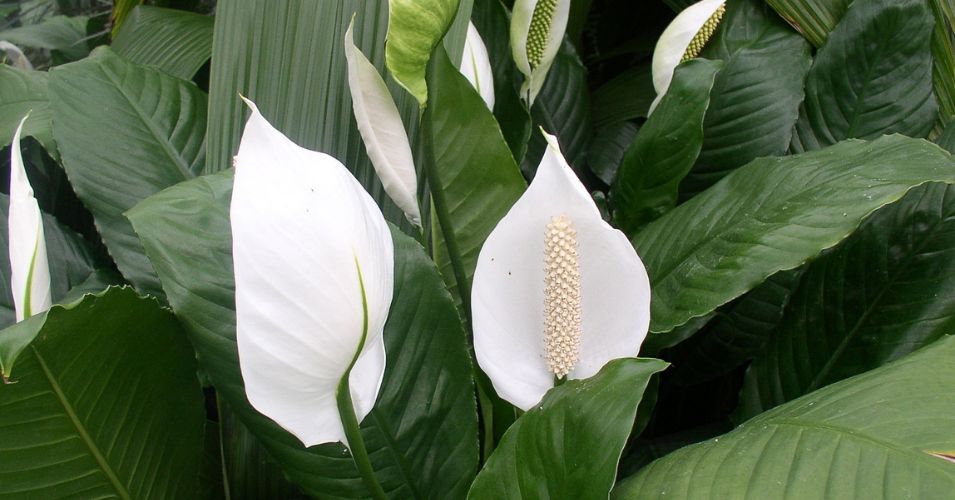
For peace lilies, this time of year marks the transition from quiet winter rest to active growth and renewed strength. Leaves begin stretching toward the sun, roots absorb more nutrients, and new blooms often start to form.
With this burst of activity comes a greater need for thoughtful care. By learning how to support your peace lily during spring, you can help it grow stronger, look healthier, and produce more beautiful flowers throughout the year.
Understanding Your Peace Lily’s Spring Growth Cycle
Spring marks a major shift in the life of a peace lily. After months of slow winter activity, the plant begins to wake up and prepare for active growth. This change happens gradually and is guided by longer daylight and warmer indoor temperatures.
During early spring, roots become more active and begin absorbing water and nutrients more quickly. This renewed activity supports the development of new leaves and stronger stems. Even if growth seems slow at first, important changes are happening below the soil.
You may begin to notice lighter green shoots forming near the center of the plant. These young leaves are signs that the peace lily is entering its main growing season. Over time, they darken and strengthen as they mature.
Energy that was stored during winter is now being used. The plant directs these reserves toward leaf expansion and, in many cases, flower production. This process requires balanced care and steady conditions.
Spring growth is usually steady rather than sudden. Peace lilies prefer gradual development that allows tissues to strengthen properly. Rapid changes caused by overfeeding or excessive watering can weaken this natural rhythm.
As growth increases, the plant also becomes more sensitive to stress. Sudden temperature drops, dry air, or irregular watering can interrupt development. Consistency becomes more important than ever during this phase.
Another change you may notice is increased water use. Active roots absorb moisture more quickly, which means soil may dry faster than it did in winter. This shift requires closer monitoring.
Leaves often appear glossier and firmer during healthy spring growth. These signs indicate good hydration and proper nutrient uptake. Soft or drooping leaves may signal an imbalance.
Spring is also when flower stalks may begin forming. These develop slowly and require stable conditions to reach full bloom. Disturbances during this stage can delay or prevent flowering.
Avoid making major changes too quickly. Repotting, moving locations, or altering routines should be done gradually when possible. Sudden adjustments can slow progress.
Observing your peace lily closely helps you understand its unique growth pace. Each plant responds slightly differently to seasonal change. By respecting this natural cycle and responding with patience, you create the foundation for strong leaves and beautiful blooms throughout the year.
Light and Placement Choices for Strong Spring Development
Light plays a central role in how well a peace lily grows during spring. As daylight increases, proper placement becomes more important for balanced development and healthy leaves.
Peace lilies prefer bright, indirect light. This means sunlight that is filtered through curtains or reflected from nearby surfaces. Direct sun can damage leaves and cause pale or scorched patches.
An east-facing window is often ideal in spring. It provides gentle morning light without exposing the plant to harsh afternoon rays. North-facing windows can also work if they receive steady brightness.
South- and west-facing windows may require extra distance. Placing the plant several feet away helps reduce light intensity and prevent stress. Sheer curtains are also helpful for filtering sunlight.
As days grow longer, light patterns inside your home may change. A location that felt dim in winter may become much brighter in spring. Regular observation helps you notice these shifts.
Moving the plant too often can cause adjustment problems. Peace lilies adapt slowly, and frequent relocation may interrupt growth. Choosing a stable location is usually best.
Cold drafts remain a concern in early spring. Windows and doors may still let in chilly air at night. Protecting your plant from sudden temperature drops prevents leaf damage.
Heating vents and fans should also be avoided. Strong airflow dries leaves and reduces humidity, which can slow development.
Rotating the pot every two weeks encourages even growth. This prevents the plant from leaning toward the light and becoming unbalanced.
Cleaning nearby windows improves light penetration. Dust and residue can block a surprising amount of brightness. Clear glass helps maximize natural illumination. Gently wiping leaves also supports light absorption. A soft cloth and clean water are enough to remove buildup.
If natural light is limited, grow lights can be helpful. Low-intensity plant lights placed several feet above the plant provide gentle support without overheating. Artificial light should be used for eight to ten hours daily. This mimics natural daylight patterns and supports steady growth.
Watch for signs of light stress. Yellowing or faded leaves may indicate too much sun, while slow growth may suggest too little. Adjust placement slowly when needed. Small changes allow the plant to adapt without shock.
With thoughtful positioning and steady lighting, your peace lily can develop strong leaves and prepare for a productive growing season.
Water and Humidity Care as Temperatures Rise
As spring temperatures rise, peace lilies begin using water more quickly. Increased light and active growth cause moisture to move through the plant more quickly. This makes careful watering especially important during this season.
During winter, the soil may stay damp for long periods. In spring, it begins drying more quickly, which means old watering routines may no longer be effective.
Before watering, always check the soil. Press your finger about two inches deep to feel for moisture. If it feels dry at that depth, it is usually time to water.
Peace lilies often signal thirst through gentle drooping. Leaves may bend slightly before serious dehydration occurs. This is an early warning that should not be ignored.
When watering, use room temperature water. Cold water can shock roots and slow absorption. Lukewarm water is safest for sensitive plants. Water slowly and evenly until excess drains from the bottom. This ensures the entire root system receives moisture. Empty the tray afterward to prevent standing water.
Avoid frequent light watering. Shallow moisture encourages weak root growth and uneven hydration. Deep, thorough watering supports stability. Overwatering remains a risk even in spring. Yellow leaves and soft stems often indicate excess moisture. Allow soil to dry slightly between waterings.
Humidity also becomes more important as indoor air dries. Heating systems and open windows can reduce moisture levels. Peace lilies prefer moderate to high humidity. Dry air may cause brown tips and dull leaf surfaces. These symptoms suggest moisture loss through transpiration.
Placing a shallow water tray near the plant increases surrounding humidity. As water evaporates, it adds moisture to the air. Grouping plants also helps create a more humid environment. Plants naturally release moisture into the air.
Using a humidifier is another effective option. Maintaining humidity between forty and sixty percent supports healthy foliage.
Misting provides short-term relief but should not replace proper humidity control. Leaves that remain wet for long periods may develop disease.
Avoid placing the plant near heaters, fans, or air conditioners. Strong airflow dries leaves and disrupts moisture balance.
Monitor seasonal changes closely. Warmer days may require more frequent watering than cooler nights. By carefully balancing water and humidity, you help your peace lily remain strong, flexible, and resilient throughout spring.
Soil, Feeding, and Repotting for Healthy Roots
Spring is the best time to evaluate the soil and root health of your peace lily. As growth increases, roots need fresh nutrients and proper airflow to perform well.
Over time, potting soil becomes compacted and depleted. Water may begin pooling on the surface or draining too quickly. These signs suggest that soil structure is weakening.
Healthy soil should feel light and slightly springy. It should hold moisture without becoming soggy. Poor texture limits oxygen flow and slows nutrient absorption.
Feeding becomes more important as growth resumes. Peace lilies benefit from balanced fertilizer during spring, but moderation is essential. Use a diluted liquid houseplant fertilizer every four to six weeks. Half strength is usually enough to support steady development without causing stress.
Applying strong fertilizer too often can lead to weak, stretched growth. It may also damage sensitive roots and reduce flowering.
Always water before fertilizing. Moist soil protects roots and helps evenly distribute nutrients.
Repotting is best done in early to mid-spring. Active growth allows roots to recover quickly and adapt to new soil. Signs that repotting is needed include roots growing through drainage holes, slow water absorption, and reduced leaf size.
Choose a pot one to two inches wider than the current container. Oversized pots hold too much moisture, increasing the risk of rot.
Select a well-draining potting mix designed for houseplants. Adding perlite or bark improves airflow and drainage.
When removing the plant, handle roots gently. Loosen tangled sections without tearing healthy tissue. Trim dark or mushy roots with clean scissors. This encourages fresh, healthy growth. Place the plant at the same depth as before. Burying stems too deeply can cause rot.
After repotting, wait several days before watering heavily. This allows minor root wounds to heal. Avoid fertilizing for at least four weeks after repotting. Fresh soil already contains nutrients.
Cleaning the pot exterior reduces hiding places for pests and improves its appearance.
By maintaining healthy soil and proper feeding, you give your peace lily the foundation it needs for long-term strength and flowering success.
Preventing Problems and Encouraging Lasting Beauty
Spring is a time of rapid change for peace lilies, which makes careful monitoring especially important. As growth increases, small problems can escalate quickly if left unaddressed.
One of the most common spring issues is inconsistent watering. Alternating between dry soil and soggy conditions weakens roots and stresses leaves. Maintaining a steady routine helps prevent this pattern.
Yellowing leaves often signal a moisture imbalance or low light. Examining recent care habits usually reveals the cause. Adjustments should be made gradually to avoid further stress.
Brown tips may appear when humidity is too low or when salts accumulate in the soil. Improving air moisture and flushing the soil occasionally can reduce this problem.
Pests become more active as temperatures rise. Spider mites, aphids, and mealybugs are attracted to weakened plants. Regular inspection helps catch infestations early.
Check the undersides of leaves and around stem bases for webbing, sticky residue, or small insects. These signs indicate that treatment is needed.
If pests are found, isolate the plant immediately. Washing leaves with mild soap and water often controls light infestations. Avoid harsh chemical treatments whenever possible. Peace lilies are sensitive and may suffer leaf damage from strong pesticides.
Temperature stability also matters in spring. Sudden cold nights or warm drafts can interrupt growth. Placing the plant away from doors and vents improves consistency.
Dust accumulation reduces photosynthesis and dulls leaf appearance. Wiping leaves every few weeks keeps them clean and efficient.
Overhandling is another hidden source of stress. Constant moving or rotating too often can disturb root balance. Limit major changes once the plant begins active growth. Repotting, relocation, and heavy feeding should be spaced out over time.
Support upright growth by slowly and evenly rotating the pot. This prevents leaning and uneven development.
Remove damaged or yellowed leaves with clean scissors. This improves appearance and reduces disease risk.
Monitor flower development closely. Bud drop often results from sudden changes in light, water, or temperature.
Gradually increasing light exposure as days lengthen helps prevent shock. Small adjustments allow smoother adaptation.
Consistent routines build resilience. Peace lilies respond best to predictable conditions. Spring care is about balance and patience. Gentle support encourages long-term strength.
Final Thoughts
Caring for a peace lily in spring is about responding thoughtfully to renewed growth and changing conditions. This season offers a chance to strengthen roots, improve leaf quality, and encourage beautiful blooms.
When light, water, soil, and humidity are balanced, peace lilies develop lasting resilience. Small habits practiced consistently often matter more than dramatic changes.
Patience and observation remain essential. Each plant has its own rhythm and responds best to gentle guidance.
By working with your peace lily’s natural cycle, you create a healthy, graceful plant that brings beauty and calm to your space year-round.