
Asparagus is one of the most rewarding crops you can grow, offering fresh spears year after year with very little effort once established.
Knowing when to harvest is just as important as knowing how, since timing affects both flavor and future growth.
Pick too early, and you miss out on full development, but wait too long, and the spears become tough and less enjoyable to eat.
By learning the right signs and simple harvesting techniques, you can enjoy tender, flavorful asparagus while keeping your plants healthy and productive for many seasons to come.
Recognize the Signs That Asparagus Is Ready to Pick
Asparagus spears grow quickly once the season begins, and knowing when they are ready to harvest helps you enjoy the best flavor and texture. Most spears are ideal for picking when they reach about six to eight inches tall and have tight, compact tips.
The tips should still be closed and firm, rather than starting to loosen or spread open. When the tip begins to fan out, the spear is moving past its peak tenderness and may become slightly woody.
Thickness can vary by variety, but both thick and thin spears can be harvested as long as they meet the right height and tip conditions. Many gardeners prefer thicker spears because they feel more substantial, but thinner ones are often just as tender and flavorful.
Color is another helpful clue. Healthy asparagus spears should have a rich green color, sometimes with hints of purple depending on the type you are growing. Pale or dull-looking spears may indicate stress or slower growth.
You may also notice how quickly the spears grow during warm weather. Under ideal conditions, asparagus can grow several inches in a single day, so it’s important to check your plants regularly to avoid missing the perfect harvest moment.
A simple daily look at your garden can help you spot spears that are ready before they pass their prime.
Harvesting at the right stage keeps the texture soft and the flavor fresh, which is one of the main reasons homegrown asparagus tastes so much better than store-bought.
With a little attention and practice, recognizing these signs becomes second nature and allows you to enjoy each spear at its very best.
Choose the Right Time of Day for Harvest Success
The time of day you harvest asparagus can noticeably affect its quality, especially freshness and moisture. Early morning is often considered the best time to pick, when the spears are still cool and fully hydrated from the night.
During these early hours, the plant has not yet been exposed to the day’s heat, which helps keep the spears firm and crisp. Harvesting at this time allows you to capture the best possible texture and flavor.
As the day warms up, asparagus spears can lose moisture and become slightly more flexible. This does not mean they are unusable, but they may not have the same snap and freshness as those picked earlier.
If morning harvesting is not possible, late afternoon can be another option, especially on cooler days. Waiting until the sun is less intense can help reduce stress on both the plant and the harvested spears.
Consistency also plays a role in success. Checking your asparagus at the same time each day helps you keep track of how quickly the spears are growing and ensures you do not miss the ideal harvest window.
Regular harvesting encourages the plant to continue producing new spears, which extends your overall harvest season.
It is also helpful to bring a small basket or container to gently collect spears without damaging them. Handling them with care right from the start helps maintain their quality.
By choosing the right time of day, you make a simple adjustment that leads to better-tasting asparagus and a more rewarding gardening experience.
Cut or Snap Spears Without Damaging the Plant
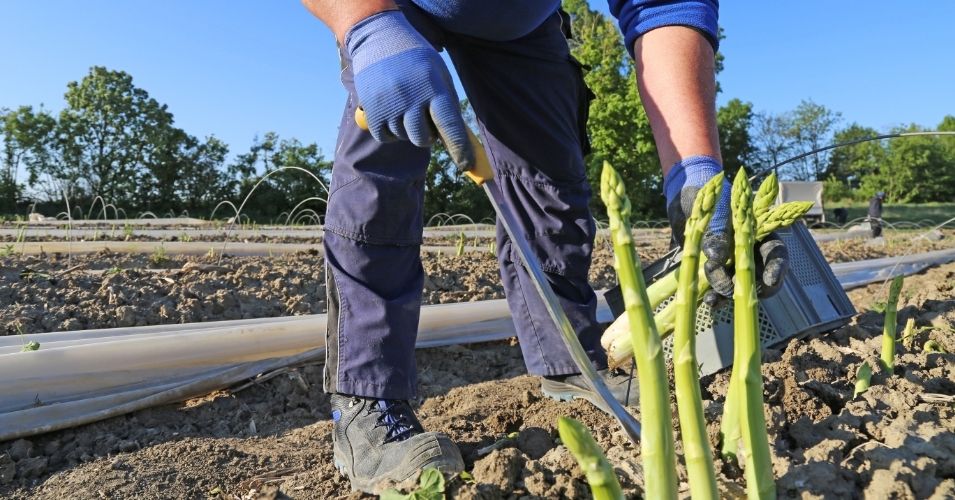
Harvesting asparagus the right way protects the plant and helps it keep producing healthy spears throughout the season. You can either cut the spears with a clean knife or snap them by hand, and both methods can work well when done carefully.
Snapping is often the easiest method for beginners. When you bend the spear gently near the base, it will naturally break at the point where the tender part ends, and the tougher section begins.
This natural break helps ensure you harvest only the most enjoyable portion of the spear.
Cutting gives you more control over where the spear is removed. Using a sharp knife, you can slice just below the soil surface or slightly above it, depending on your preference.
If you choose to cut below the soil, take care not to damage nearby emerging spears. The crown of the plant sits just beneath the surface, and rough cutting can disturb future growth.
Clean tools also matter more than many people expect. A quick wipe or rinse helps prevent the spread of disease between plants, especially in larger garden beds.
It is best to avoid pulling spears out of the ground, as this can harm the crown and reduce future production. Gentle handling always leads to better long-term results.
Take your time during harvest and pay attention to each spear. A steady, careful approach keeps your asparagus patch healthy and productive year after year.
Manage Your Harvest Window for Long-Term Growth
Asparagus is a perennial plant, which means the way you harvest it today affects how well it grows in future seasons. Managing your harvest window is one of the most important steps in keeping your patch strong and productive.
In the first couple of years after planting, it is best not to harvest at all or to harvest very lightly. This allows the roots to develop fully and store the energy needed for long-term growth.
Once your plants are established, usually by the third year, you can begin harvesting more regularly. Even then, it is important to limit how long you continue picking spears during the season.
A typical harvest period lasts about four to six weeks. After this time, you should stop harvesting and allow the remaining spears to grow into tall, fern-like foliage.
These ferns play a key role in feeding the plant. They capture sunlight and send energy back down to the roots, helping the plant prepare for the next growing season.
Harvesting for too long can weaken the plant and reduce future yields. Knowing when to stop is just as important as knowing when to start.
Pay attention to the size and strength of new spears as the season progresses. If they begin to appear thinner or weaker, it is often a sign that the plant needs time to recover.
By respecting the natural growth cycle and giving your asparagus time to recharge, you create a healthier patch that will reward you with better harvests for many years to come.
Store Freshly Picked Asparagus to Keep It Crisp
Freshly harvested asparagus begins to lose moisture soon after it is picked, so proper storage is key to keeping it crisp and full of flavor. The goal is to preserve its natural freshness for as long as possible.
One of the best ways to store asparagus is to treat it like a bouquet. Trim a small portion off the ends and stand the spears upright in a container with a little water at the bottom.
This helps the stalks stay hydrated and firm, especially during the first few days after harvest.
Place the container in the refrigerator and loosely cover the top with a plastic bag. This creates a gentle balance of moisture without trapping too much humidity around the tips.
If you prefer a simpler method, you can wrap the ends of the spears in a damp paper towel and place them in a plastic bag. This also helps maintain moisture while keeping the asparagus fresh.
Avoid washing asparagus before storing it, as excess moisture can lead to faster spoilage. It is better to rinse the spears just before you are ready to use them.
Temperature matters as well. Keeping asparagus in the coldest part of your refrigerator slows down the loss of freshness and helps the spears stay crisp longer.
Try to use your asparagus within a few days for the best taste and texture. While it can last up to a week, the flavor is always at its peak shortly after harvest.
By storing your asparagus with care, you protect the effort you put into growing and harvesting it, ensuring every bite remains fresh and enjoyable.
Final Thoughts
Harvesting asparagus is a simple skill that becomes more rewarding with practice and patience.
By watching for the right signs, choosing the best time to pick, and handling each spear with care, you support both flavor and long-term growth.
When you also store your harvest properly, you extend that freshness from the garden to your table, making every meal feel just a little more special.