
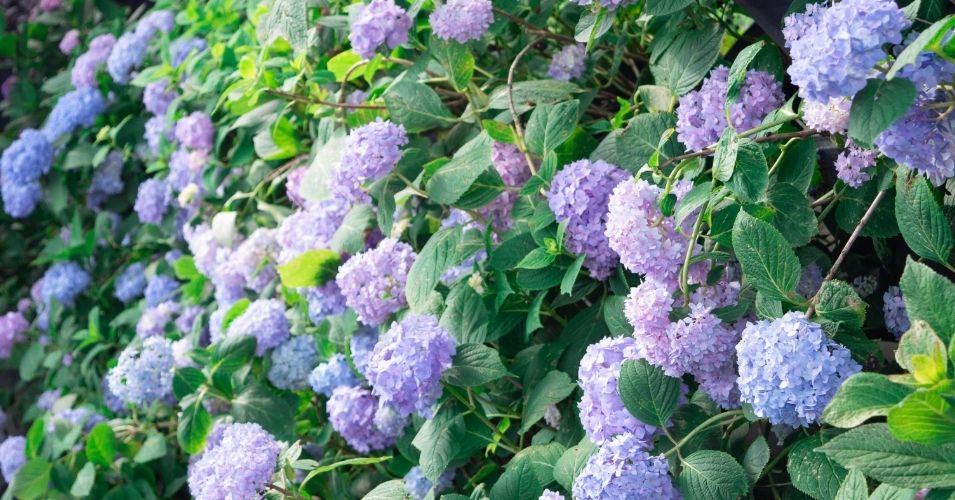
Hydrangeas are one of the most eye-catching plants you can grow in your garden, especially when summer arrives, and their blooms are at their fullest.
Their large, colorful flowers can instantly brighten any space, but they do need the right care to stay healthy during the warmer months.
With the sun getting stronger and the soil drying out faster, summer can be both the most rewarding and the most challenging season for hydrangea lovers.
In this guide, you will discover simple but effective ways to care for various hydrangea types and keep them thriving throughout summer.
A Closer Look at the Different Types of Hydrangeas
Hydrangeas come in several distinct varieties, each with its own growth habits, flower shapes, and care needs.
Understanding these differences will help you make better choices during summer, especially when it comes to watering, sunlight, and feeding.
Bigleaf hydrangeas are one of the most popular types found in gardens. They produce large, rounded blooms that can be blue, pink, or purple depending on soil conditions. These plants prefer morning sun and afternoon shade, and they can wilt quickly if they dry out.
Panicle hydrangeas are much more sun-tolerant. They grow cone-shaped flowers that often start white and slowly turn pink as the season continues. Because they handle heat better, they are a great option for sunnier spots in your garden.
Smooth hydrangeas are known for their soft, cloud-like blooms. They are quite hardy and can bounce back even after harsh conditions, but they still need steady moisture to look their best in summer.
Oakleaf hydrangeas stand out with their deeply shaped leaves and long, cone-shaped flowers. Their foliage also changes color later in the year, adding extra visual interest. They prefer partial shade and well-drained soil.
Mountain hydrangeas look similar to bigleaf types but are generally more tolerant of cooler climates and slightly tougher overall.
Each variety responds differently to summer heat, so adjusting your care routine based on the type you have will make a noticeable difference. Taking time to learn your plant’s specific needs sets a strong foundation for healthy growth and vibrant blooms.
Water Wisely to Keep Blooms Full and Vibrant
Keeping hydrangeas properly watered during summer is one of the most important parts of their care, but it is not just about how often you water. It is also about how deeply and consistently the water reaches the roots.
Hydrangeas prefer deep watering rather than light surface watering. Giving them a slow, thorough soak encourages roots to grow deeper into the soil, which helps the plant handle heat much better.
Shallow watering, on the other hand, can leave roots exposed to drying out quickly. A good rule is to water when the top layer of soil feels dry to the touch.
Early morning is the best time to do this, since it allows the plant to absorb moisture before the heat of the day sets in. Watering in the evening can sometimes leave excess moisture on leaves overnight, which may cause problems.
Mulching around the base of the plant can make a big difference. It helps the soil hold onto moisture and keeps temperatures more stable, especially during hot days. Organic mulch, like bark or compost, works well for this purpose.
Different hydrangea varieties have slightly different water needs. Bigleaf and mountain hydrangeas tend to require more frequent watering because their leaves lose moisture more quickly.
Panicle hydrangeas are more tolerant of dry conditions once established, but they still perform best with consistent moisture. Smooth hydrangeas also appreciate regular watering to maintain their full, soft blooms.
If your hydrangea starts to droop during the day but recovers by evening, it is often reacting to heat rather than true dryness. However, if it stays wilted, that is a sign it needs water more urgently.
Paying attention to your plant’s signals and adjusting your watering routine accordingly will help keep blooms full, leaves healthy, and your hydrangeas looking their best throughout the summer season.
Find the Right Balance of Sunlight and Shade
Getting the lighting conditions right can completely change how your hydrangeas perform in summer.
These plants enjoy light, but too much intense sun can quickly wear them down, especially during long, hot days. The goal is to give them enough brightness to support blooming without exposing them to harsh afternoon heat.
Morning sunlight is especially valuable because it is gentle and helps kickstart the plant’s daily growth.
As the day progresses, some level of shade becomes important. This protects leaves from burning and keeps flowers from fading too quickly. When plants receive balanced light, they tend to hold their color longer and maintain a fuller appearance.
Signs of too much sun often show up as dry, crispy leaf edges or drooping blooms that do not recover well.
In contrast, plants that sit in deep shade may grow plenty of leaves but produce fewer flowers. Finding that middle ground takes a bit of observation, but it is worth the effort.
Location plays a key role here. Spaces that receive dappled light or partial cover from nearby trees can create ideal conditions. Even positioning your hydrangeas near a fence or wall that blocks the strongest afternoon rays can make a noticeable difference.
Each type of hydrangea responds differently to sunlight. Bigleaf and mountain hydrangeas generally prefer more protection and can struggle in full sun.
Panicle types are far more tolerant of bright conditions and can handle longer exposure without stress. Smooth hydrangeas benefit from a mix, thriving when they get both light and shelter during the day.
Paying attention to how your plants respond over time will guide you toward the best setup. Small adjustments in placement or the addition of shade can help your hydrangeas stay lush and colorful even during the peak of summer heat.
Feed Your Plants for Stronger Growth and Color
Providing the right nutrients during summer helps hydrangeas stay strong and produce vibrant blooms, but feeding them correctly is just as important as watering or sunlight.
A thoughtful approach to fertilizing can encourage steady growth without overwhelming the plant.
Hydrangeas do best with a balanced fertilizer that supports both leaf development and flower production.
Applying nutrients in early summer gives plants the boost they need as they move into their most active growing period. It is important not to overfeed, as excess nutrients can lead to lush foliage and fewer flowers.
Slow-release fertilizers are often a reliable option because they supply nutrients gradually over time. This steady feeding pattern supports consistent growth and reduces the risk of stressing the plant.
Liquid fertilizers can also be used, but they should be applied carefully and in moderation.
Healthy soil plays an important role in how effectively hydrangeas absorb nutrients. Well-draining soil enriched with compost improves both structure and fertility, allowing roots to take in what they need more easily.
Some hydrangeas respond to soil chemistry in noticeable ways. Bigleaf and mountain types can shift flower color depending on soil pH. More acidic conditions tend to produce blue blooms, while more alkaline soil encourages pink tones. This gives gardeners the chance to influence color through soil adjustments.
Other types, including panicle and smooth hydrangeas, do not change color based on pH, but they still benefit from regular feeding to support strong stems and full flower clusters.
Oakleaf hydrangeas also respond well to balanced fertilizing, especially when grown in rich soil, helping them maintain healthy foliage and steady bloom development throughout the season.
By supplying nutrients in a controlled, consistent way, you help your hydrangeas build strength, improve bloom quality, and remain resilient under the demands of summer.
Protect Hydrangeas From Heat Stress and Common Problems
Summer heat can be tough on hydrangeas, especially during long periods of high temperatures and dry conditions.
Even well-cared-for plants can start to struggle if they are not given some extra support during extreme weather. Learning how to reduce stress and spot early signs of trouble will help your plants stay healthy.
One of the most common issues in summer is heat stress. Leaves may begin to droop, curl, or develop brown edges when the plant is overwhelmed by sun and heat.
While some midday wilting can be normal, ongoing drooping is a signal that your hydrangea needs attention. Providing shade during the hottest part of the day can make a big difference.
Mulch is another simple but powerful tool. A layer around the base helps keep soil cool and prevents moisture from evaporating too quickly. This creates a more stable environment for the roots, which is essential during hot weather.
Pests can also become more active in summer. Aphids and spider mites are two common visitors that can weaken your plant by feeding on its leaves.
Checking the undersides of leaves regularly allows you to catch problems early. A gentle spray of water or insecticidal soap can often manage these pests effectively.
Fungal issues may appear if humidity is high or air circulation is poor. Spots on leaves or a powdery coating are signs to watch for. Pruning crowded areas and avoiding overhead watering can help reduce the risk.
Care needs can vary depending on the type of hydrangea you are growing. Bigleaf and mountain types are more sensitive to heat and may need extra shade and closer monitoring.
Panicle hydrangeas tend to handle heat better, but can still benefit from mulching and deep watering. Smooth and oakleaf varieties also appreciate protection during intense conditions, especially when newly established.
By staying alert and making small adjustments, you can protect your hydrangeas from common summer challenges and keep them looking strong and vibrant.
Final Thoughts
Caring for hydrangeas in summer does not have to feel complicated once you understand what your plants need.
By paying attention to their variety, adjusting watering habits, managing sunlight, and providing the right nutrients, you set the stage for healthy growth and beautiful blooms.
With a little consistency and observation, your hydrangeas can thrive even during the warmest months and continue to bring color and life to your garden.