
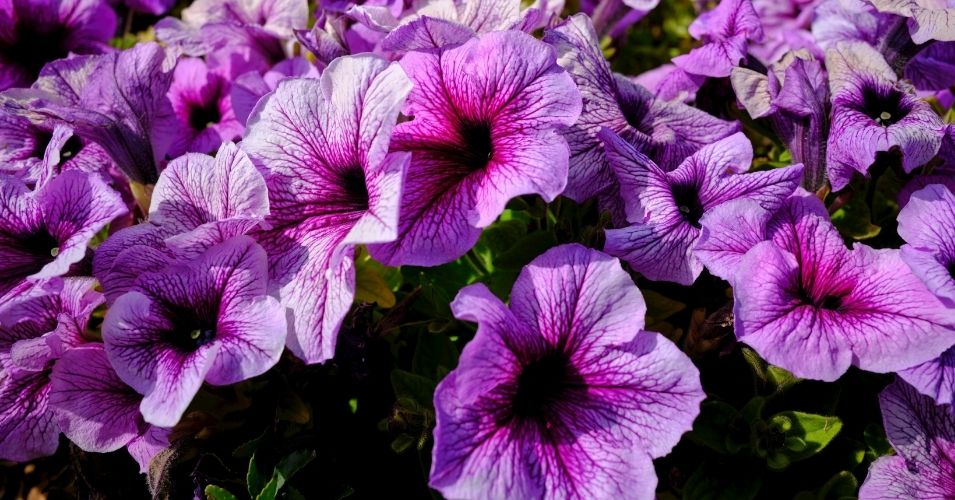
Gardens in summer feel alive with color, movement, and constant change. Flowers open wide to the sun, bees drift from bloom to bloom, and every plant seems to stretch a little taller each day.
But as beautiful as this season is, it also asks for a bit of care in return. One simple habit can make a huge difference in how long your flowers keep blooming.
Deadheading may sound technical, but it is really just the act of removing old, faded flowers to encourage new ones to grow.
Once you understand which plants benefit most from this, your garden can stay bright and full for much longer.
Why Deadheading Keeps Your Garden Thriving
A summer garden is always moving through small life cycles that are easy to miss if you are not looking closely. Each flower begins as a bud, opens into full color, and then slowly fades as it prepares to produce seeds, which is the stage where deadheading becomes useful.
When a plant starts forming seeds, it shifts its energy away from creating new blooms and focuses instead on reproduction.
By removing spent flowers before seeds fully develop, you guide the plant back toward producing fresh blossoms, which keeps it active and visually appealing for much longer. This process encourages a steady cycle of growth, allowing the plant to replace old flowers with new ones instead of slowing down halfway through the season.
There is also a strong visual impact that comes with this habit. Faded blooms can make even a healthy plant look worn out, and removing them instantly refreshes the overall appearance of your garden beds or containers.
With just a few minutes of attention every few days, plants can look brighter, cleaner, and more intentional in their growth.
Deadheading can also help prevent certain plants from spreading too aggressively through self-seeding, which is useful if you want to keep your garden layout under control.
It allows you to decide where new plants grow rather than leaving it entirely to chance. Over time, this small act of care builds a garden that feels both lively and well-managed, without requiring complicated tools or techniques.
Petunias and Geraniums That Reward Regular Care
Some summer flowers respond almost immediately to deadheading, and petunias and geraniums are among the most noticeable examples.
These plants are naturally eager to bloom, but they can quickly lose their energy if old flowers are left in place for too long.
Petunias tend to produce a constant wave of blooms, yet each flower has a short life. As they fade, they can become sticky or wilted, which not only affects how the plant looks but also slows down the growth of new buds.
Removing these spent blooms keeps the plant tidy and encourages it to continue producing fresh flowers throughout the season. Regular attention helps petunias stay full and trailing rather than thin and uneven.
Geraniums benefit in a slightly different way. Their flowers grow in clusters, and once a cluster begins to fade, it draws energy away from the rest of the plant.
By cutting back the entire faded cluster at its base, you make room for new blooms to form and open more evenly. This keeps geraniums looking balanced and vibrant instead of patchy.
With both petunias and geraniums, the effort is small, but the results are easy to see. A few minutes of care every couple of days can turn an average display into one that feels full, colorful, and constantly in bloom.
Roses That Bloom Stronger After a Trim
Few plants capture attention quite like roses, but they can quickly lose their charm if spent blooms are left in place.
A faded rose does more than look untidy; it signals the plant to slow down and begin forming seeds. This natural shift takes energy away from producing new buds, which can shorten the flowering period if nothing is done.
Deadheading roses is a simple way to keep them in active bloom. By removing flowers just as they begin to fade, you encourage the plant to redirect its energy toward fresh growth.
This often results in stronger stems and a new set of buds that develop more quickly than you might expect. The plant responds as if it has more work to do, continuing its cycle of blooming instead of settling into rest.
There is also a technique that can make this process even more effective. Rather than just pinching off the top of the spent flower, it helps to cut slightly lower on the stem, just above a healthy set of leaves.
This encourages fuller regrowth and prevents awkward, leggy stems from forming. Over time, this method shapes roses into a more balanced and attractive form.
Regular care keeps the plant looking fresh while also improving airflow and reducing the chance of disease. When old blooms are removed, the plant stays cleaner and less crowded, which can make a noticeable difference during warm, humid weeks.
With steady attention, roses continue to deliver new waves of color, rewarding even small efforts with a longer and more impressive display.
Summer Perennials That Keep Going With a Little Help
Many summer perennials are built to last for years, but that does not mean they will keep blooming at their best without a bit of guidance.
Plants like coneflowers, black-eyed Susans, and coreopsis are known for their long flowering periods, yet they still benefit from occasional deadheading to maintain their vigor and appearance.
These plants often produce a large number of blooms at once, which can fade at different times. If left alone, the plant may focus on seed production, slowing the formation of new flowers.
By removing the older blooms, you help the plant stay focused on creating fresh ones, extending its peak display well into late summer.
Deadheading also keeps these perennials looking neat and intentional. A mix of bright flowers and dried seed heads can make the plant appear uneven, even if it is perfectly healthy.
Trimming away the faded parts allows the remaining blooms to stand out more clearly, giving the entire plant a cleaner and more vibrant look.
There is a balance to consider when it comes to some perennials. While regular deadheading encourages more flowers, leaving a few seed heads later in the season can provide food for birds and add texture to the garden.
With coneflowers, for example, those seed heads can become a valuable resource for wildlife. This means you can adjust your approach as the season progresses, combining care with a more natural finish.
When to Skip Deadheading and Let Nature Lead
While deadheading can extend blooming and keep plants looking fresh, there are times when it is better to step back and allow nature to take its course.
Not every plant benefits from having its faded flowers removed, and in some cases, leaving them in place adds value to your garden in ways that go beyond appearance.
Certain plants are grown as much for their seed heads as for their flowers. Varieties like lavender, ornamental grasses, and alliums develop textures and shapes that bring interest long after their blooms have faded. Removing these too early can take away a second phase of beauty that adds depth to your garden as the season moves forward.
Wildlife is another important reason to pause before reaching for the pruners. Many birds rely on seeds from plants such as sunflowers and coneflowers, especially later in the summer when other food sources may become less available.
By leaving some spent blooms intact, you create a small but meaningful habitat that supports local ecosystems.
Some plants naturally manage their own blooming cycles without needing intervention. Some varieties will continue to flower steadily whether you deadhead them or not, making the process less necessary.
In these cases, your time and effort may be better spent focusing on plants that clearly respond to regular care.
Letting certain areas grow a bit more freely can also create a softer, more natural look. A garden that is not overly trimmed often feels more relaxed and connected to its surroundings.
By choosing where to intervene and where to hold back, you shape a space that feels both cared for and alive.
Final Thoughts
Deadheading is a simple habit that can transform how your garden looks and performs through the summer months.
When you remove faded blooms at the right time, you encourage many plants to keep producing fresh flowers, extending color and energy across your space.
At the same time, knowing when to step back is just as important. Some plants offer beauty beyond their blooms, and others support wildlife in quiet but valuable ways.
A thoughtful balance between care and patience allows your garden to thrive while still feeling natural and full of life.