
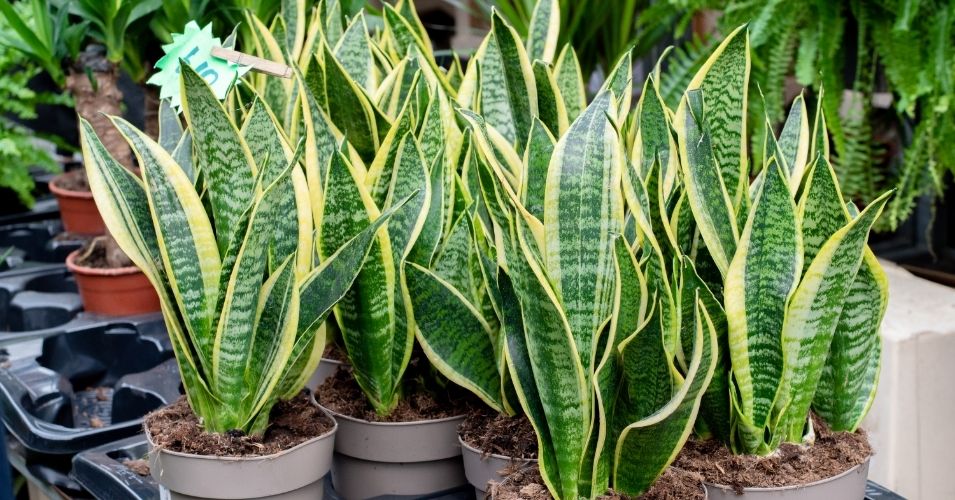
Snake plants are known for being tough, stylish, and easy to care for. They survive in many homes and forgive missed waterings. But when spring arrives, even these hardy plants benefit from extra attention.
Spring is the season when roots become active again, and new leaves begin to form. Small changes in your routine can make a big difference.
In this guide, you will learn how to support your snake plant during this important growing season. Simple steps now can lead to stronger, more beautiful plants later.
The Spring Growth Cycle of Snake Plants
Spring marks a quiet but important shift in the life of a snake plant. After months of slower activity, the plant begins to wake up as daylight increases and temperatures rise.
During winter, most snake plants enter a resting phase. Growth slows, roots absorb less water, and energy is conserved. This is normal and healthy for the plant. When spring arrives, the plant senses these changes. Longer days and warmer air encourage the roots to become active again.
This renewed root activity allows the plant to absorb more water and nutrients from the soil. As a result, new leaves may begin to form at the base. These young leaves often appear as small green spikes pushing up through the soil. Over time, they grow taller and stronger.
Spring growth is usually steady rather than fast. Snake plants prefer slow, controlled growth, which helps them stay sturdy and upright. Because growth resumes gradually, patience is important. Many owners expect sudden changes, but healthy progress often happens quietly.
This season is also when the plant repairs small damages from winter. Tiny cracks, dry edges, or faded color may slowly improve.
Energy is redirected toward strengthening existing leaves and forming new ones. This balance keeps the plant stable.
Environmental consistency helps this process. Sudden changes in temperature, light, or watering can interrupt growth patterns. Keeping your plant in a stable location supports its natural rhythm. Frequent moving can confuse its growth cycle.
It is also helpful to observe your plant closely in spring. Notice how quickly new leaves appear and how firm existing ones feel. These signs show whether your care routine is working well. Healthy spring growth usually means you are meeting the plant’s basic needs.
By understanding this seasonal cycle, you can respond better to your snake plant’s signals. This awareness builds confidence and leads to long-term success.
Light and Placement for Strong Spring Growth
Light plays a major role in how well snake plants grow during spring. As sunlight becomes stronger, proper placement becomes even more important.
Snake plants prefer bright, indirect light. This means sunlight that is filtered through curtains or reflected from nearby walls.
A spot near an east- or north-facing window often works well. These areas provide gentle light without harsh exposure. South or west-facing windows can also be used if the plant is placed a few feet away. Direct sun can scorch leaves if exposure is too intense.
In spring, stronger sunlight can catch indoor plants off guard. Leaves that were safe in winter may become stressed if conditions change suddenly. Watching for signs of stress is helpful. Pale patches, brown tips, or curling leaves often indicate too much sun.
On the other hand, very low light can slow spring growth. In dark corners, new leaves may be thin and weak. If your home has limited natural light, rotating the plant every few weeks helps evenly distribute exposure.
Consistent placement matters. Snake plants adapt to their environment, and frequent movement can disrupt this process.
Avoid placing the plant near heating vents or drafty windows. Sudden temperature changes can damage tender spring growth.
Spring is also a good time to clean nearby windows. Clear glass allows more light to reach your plant naturally. Wiping dust from leaves also improves light absorption. A soft, damp cloth works well for this task.
If outdoor temperatures are mild, some owners place snake plants on shaded patios. This should be done gradually to prevent shock. Start with short periods outdoors and gradually increase the time. Always bring the plant inside if nights become cold.
With the right balance of light and location, your snake plant will respond with stronger leaves and healthier spring development.
Water and Soil Choices That Support New Leaves
Water and soil work together to shape the health of a snake plant. During spring, when growth begins again, these two factors become especially important.
Snake plants are adapted to store water in their thick leaves. Because of this, they prefer dry conditions rather than constantly wet soil. Overwatering is one of the most common mistakes made in spring. As owners become excited about new growth, they often water too often.
It is best to wait until the top two inches of soil feel completely dry before adding more water. This simple test helps prevent root rot.
When you water, do so deeply. Allow water to flow through the drainage holes and empty the tray afterward. Shallow watering encourages weak root systems, while deep watering supports stronger and more stable growth.
Soil choice matters just as much as watering habits. Snake plants need fast-draining soil that does not retain moisture for long.
Cactus or succulent mixes are usually good options. These blends contain sand or perlite, which improves drainage. You can also make your own mix by combining regular potting soil with coarse sand and perlite.
Heavy garden soil should be avoided. It becomes compacted, trapping water around the roots.
Spring is a good time to check soil conditions. If it smells musty or feels soggy, replacement may be needed. Good soil allows oxygen to reach the roots. This prevents disease and encourages healthy leaf development.
Pot drainage is essential. Always choose containers with holes at the bottom to release excess water. If decorative pots lack drainage, use them only as outer covers.
Humidity also affects watering needs. In dry homes, the soil dries faster. In humid spaces, it stays wet longer. Adjust your routine based on these conditions rather than following a strict schedule.
With balanced watering and well-chosen soil, new leaves can grow strong, firm, and beautifully colored.
Fertilizer and Pot Upgrades for Healthier Roots
Spring is the ideal time to support your snake plant by providing extra nutrients and more growing space. When roots become active again, they benefit from careful feeding and proper containers.
Snake plants do not require heavy fertilization. Too much fertilizer can burn roots and damage leaves. A balanced houseplant fertilizer diluted to half strength works well. Look for one with equal parts nitrogen, phosphorus, and potassium.
Applying fertilizer once every four to six weeks during spring is usually enough. More frequent feeding is unnecessary and may cause salt buildup in the soil.
Always water the plant before fertilizing. This protects the roots from chemical stress and helps evenly distribute nutrients.
Liquid fertilizers are easy to control and distribute. Slow-release pellets can also be used, but they should be applied carefully and sparingly.
Repotting is another helpful spring task. If roots are growing out of drainage holes, the plant likely needs more space. Crowded roots limit water and nutrient absorption. A slightly larger pot allows healthier development and better stability.
Choose a container that is one to two inches wider than the current one. Large jumps in size can cause moisture problems and slow growth. Clay pots are good choices because they allow soil to dry faster. Plastic pots retain moisture longer and require more careful watering.
Fresh soil provides new nutrients and improves structure. Repotting refreshes the growing environment and reduces compaction.
When repotting, gently loosen the root ball. Avoid tearing healthy roots unless they are tightly tangled. Place the plant at the same depth as before. Burying the base too deeply can cause rot.
With light feeding and thoughtful pot upgrades, your snake plant can develop stronger roots and enjoy steady, healthy growth throughout spring and beyond.
Protecting Your Plant and Keeping Leaves Vibrant
A healthy snake plant is easy to recognize. Its leaves stand tall, feel firm, and display rich green color with clear patterns. Spring care plays a major role in maintaining this beauty.
As growth increases, plants become more sensitive to environmental changes. Sudden shifts in temperature, humidity, or light can cause stress.
Keep your snake plant away from cold drafts and open windows during chilly nights. Even brief exposure to cold air can damage tender new tissue. Heating vents and radiators should also be avoided. Dry, hot air can cause leaf tips to turn brown and brittle.
Dust buildup is another hidden problem. Dust blocks light and interferes with photosynthesis. Wipe leaves gently with a soft, damp cloth every few weeks. Avoid using leaf shine products. These sprays can clog pores and prevent proper breathing.
Pests become more active in spring. Spider mites, mealybugs, and scale insects may appear on weakened plants. Check leaf bases and undersides regularly. Early detection makes treatment much easier. If pests are found, isolate the plant immediately. Use a mild soap solution or neem oil to control infestations.
Overhandling is another risk. Frequent touching or moving can damage leaf edges and disrupt growth patterns.
Support upright growth by rotating the plant slowly over time. This keeps all sides evenly exposed to light.
Watch for signs of stress such as yellowing, soft spots, or drooping. These symptoms often point to watering or light problems.
Remove damaged leaves with clean scissors. This improves appearance and prevents the spread of disease. Avoid trimming healthy leaf tips unless necessary. Once cut, they do not grow back.
Maintain moderate humidity when possible. Extremely dry air can slow growth and dull color. Grouping plants can naturally improve moisture levels.
A stable routine builds resilience. Plants thrive when care is consistent and predictable. With thoughtful protection and regular attention, your snake plant will remain vibrant, polished, and strong throughout spring and beyond.
Final Thoughts
Spring is a time of renewal for both plants and gardeners. For snake plants, it is a season of quiet growth, recovery, and fresh potential.
With proper light, careful watering, balanced feeding, and gentle protection, these hardy plants can thrive for many years.
Small habits practiced consistently create lasting results.
By paying attention to your plant’s signals and responding with patience, you build confidence and skill.
A well-cared-for snake plant becomes more than a decoration. It becomes a living reminder that simple care can produce lasting beauty.