
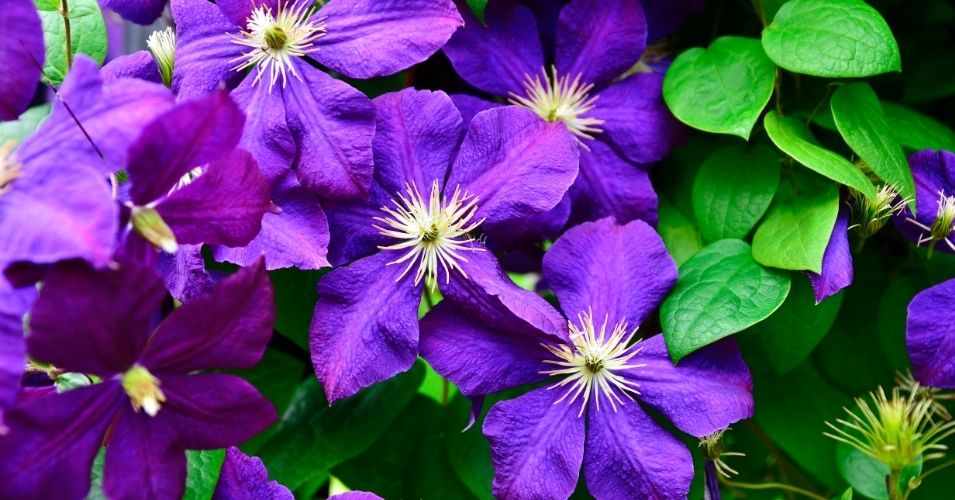
Clematis is one of the most captivating climbing plants you can add to a garden. With their colorful flowers, delicate vines, and ability to cover fences or trellises, clematis create a dramatic focal point wherever they grow.
However, not every plant makes a good neighbor for them. Clematis has specific needs for sunlight, root protection, and space, and when paired with the wrong companions, it can quickly lose its vigor.
Some plants compete too strongly for resources, while others create conditions that encourage disease. Knowing which plants to avoid is just as important as choosing the right ones.
Black Walnut
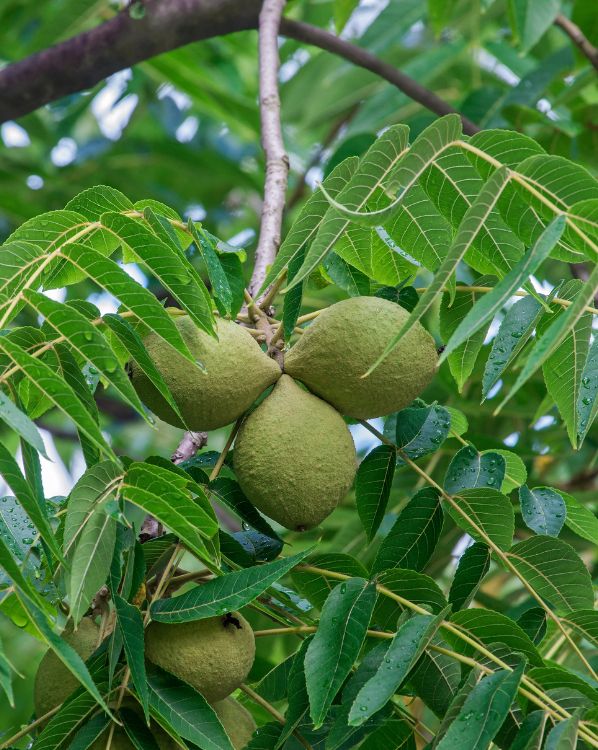
Black walnut trees are among the most dangerous companions for clematis because of the chemical juglone they produce. Juglone is released into the soil through the tree’s roots, fallen leaves, and decaying husks.
While some plants tolerate this chemical, clematis is extremely sensitive to it. Exposure to juglone often leads to stunted growth, yellowing foliage, and in many cases, plant death. For a delicate climber like clematis, the presence of a black walnut tree nearby can make it nearly impossible to thrive.
The reach of a black walnut tree is far greater than its trunk suggests. The root system extends well beyond the canopy and continues to release juglone into the surrounding soil.
Even clematis planted a distance away may still be affected as their roots encounter contaminated ground. The falling leaves and nuts also contribute, adding more juglone as they break down and enrich the soil with toxins.
Another problem lies in the competition for resources. Black walnut trees are large and greedy feeders, pulling significant amounts of water and nutrients from the soil.
Clematis, while strong once established, needs consistent moisture and nutrient-rich soil to maintain healthy vines and produce abundant blooms. Near a black walnut tree, clematis will constantly struggle against nutrient shortages and water stress.
Sunlight is another issue when clematis grows near black walnuts. The dense canopy of the tree blocks much of the available light. Clematis needs full sun on its foliage to produce its famous flowers, while its roots prefer cool, shaded soil. Black walnut trees can create too much shade overall, leaving clematis vines weak and unproductive.
Because of these combined factors, clematis and black walnut trees should never share the same space. If a black walnut tree is present, clematis should be planted far outside the tree’s root zone.
This distance ensures that the soil remains free from juglone and that clematis has a chance to grow in conditions that support its natural beauty.
Wisteria
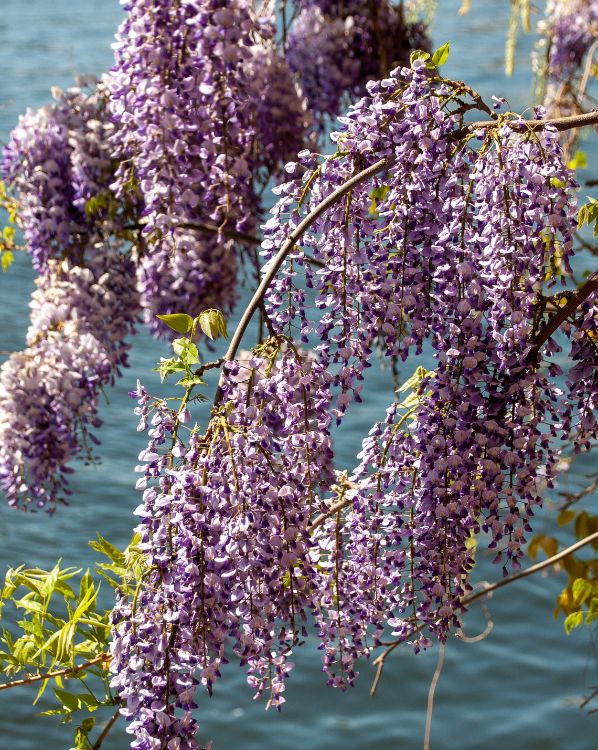
Wisteria is another plant that should never be paired with clematis. Although both are climbers and may seem like natural companions for a trellis or pergola, wisteria’s aggressive growth habits make it a poor neighbor.
Wisteria is known for its rapid expansion, sending out thick, woody vines that can wrap around and overwhelm anything in their path. Clematis, with its more delicate stems, cannot compete with the strength and dominance of wisteria. In just a few seasons, the clematis may be smothered completely.
The most pressing problem is competition for space. Clematis depends on being able to weave its way through supports and spread its vines freely. Wisteria quickly takes over those same supports, leaving little room for clematis to establish itself.
The dense coverage created by wisteria blocks light, making it difficult for clematis leaves to receive the sun they need. Without enough light, clematis vines weaken, and the production of flowers decreases sharply.
Nutrient and water competition also play a key role. Wisteria has a vigorous root system that spreads far and wide, pulling in copious amounts of resources. Clematis roots, while not as aggressive, need consistent moisture and fertile soil.
When planted together, wisteria quickly drains the soil of what clematis requires, leaving it undernourished and prone to stress.
Wisteria’s sheer weight adds yet another complication. Its heavy vines can collapse trellises, fences, or arbors if not carefully managed. Clematis, which prefers lighter structures, suffers greatly when supports sag or break under the strain of wisteria. This makes the pairing not only impractical but also potentially destructive to the garden’s overall design.
While wisteria is breathtaking in its own right, it should never be combined with clematis. Clematis thrives best when given space, light, and freedom to climb without competition.
By keeping these two climbers apart, gardeners allow clematis to display its elegant flowers without the constant threat of being overshadowed and overpowered.
Mint
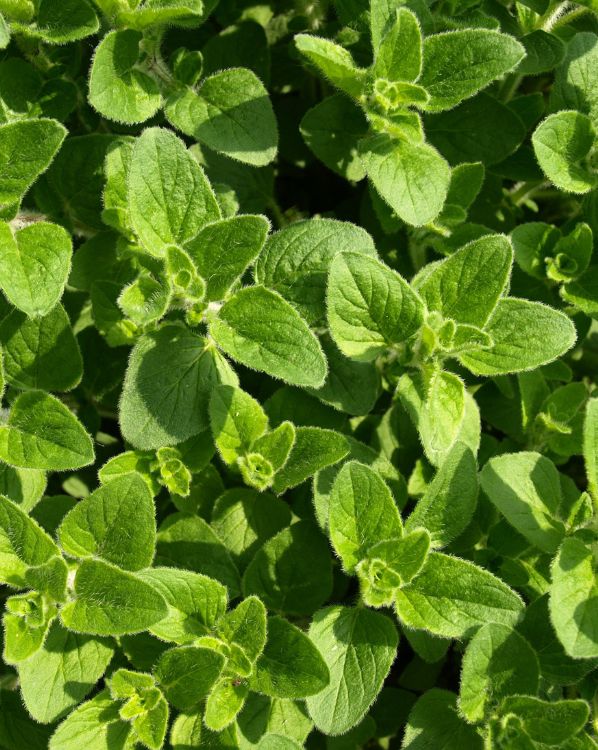
Mint is one of the most invasive herbs you can introduce into a garden, and it poses a serious threat to clematis when planted nearby. While mint may look harmless with its fragrant leaves and useful culinary qualities, its underground runners spread quickly and take over any available soil.
Clematis, with its preference for stable conditions and a carefully protected root zone, cannot withstand the relentless competition from mint’s aggressive growth. Over time, mint will smother the root area, leaving clematis weak and undernourished.
The main issue with mint is how easily it multiplies. Even the smallest root fragment left in the soil can sprout into a new plant, making it nearly impossible to keep contained. This creates an environment where clematis roots are constantly invaded.
The spreading roots of mint absorb moisture and nutrients rapidly, leaving little behind for clematis to draw upon. As a result, the clematis vines produce fewer blooms, and the plant becomes more susceptible to stress.
Mint also alters the soil environment in ways that do not favor clematis. Because of its dense groundcover habit, mint shades the soil excessively, trapping moisture and limiting airflow.
Clematis roots do prefer cool soil, but they also need proper drainage and circulation. Too much trapped moisture increases the risk of fungal problems such as root rot, which can kill clematis plants over time.
Another challenge is that mint attracts certain pests. While its fragrance repels some insects, it provides cover for others, such as slugs and snails. These pests are notorious for feeding on young clematis shoots and tender leaves. By sheltering them, mint indirectly increases the damage clematis must endure.
Though mint is an excellent herb for a kitchen garden, it must be kept far away from clematis. If gardeners want both, mint should be confined to containers or raised beds where it cannot spread into the soil around clematis roots. Only then can clematis thrive without the constant struggle against mint’s invasive nature.
Bamboo
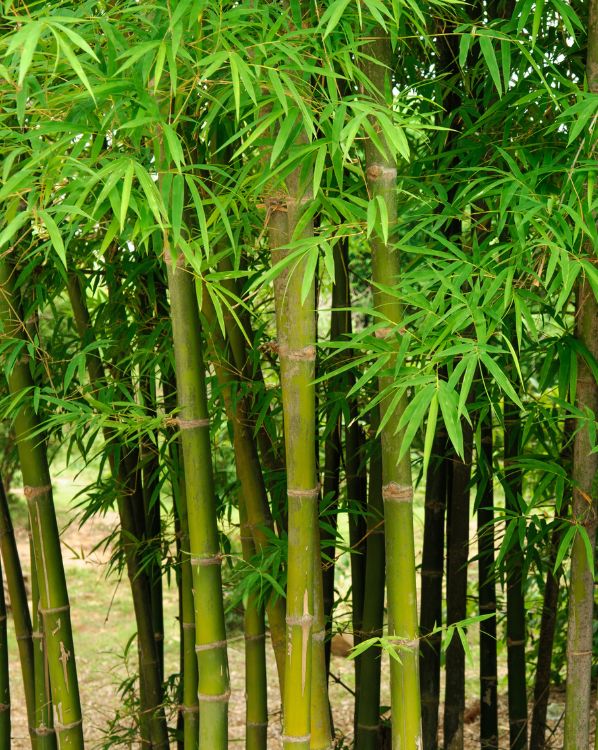
Bamboo is another plant that should never be grown near clematis. While bamboo is admired for its striking canes and exotic appeal, its growth habits are aggressive and overwhelming. Bamboo spreads rapidly through underground rhizomes that extend far beyond the original planting site.
These rhizomes invade the soil, consuming water and nutrients at a rapid pace. Clematis, with its need for steady moisture and balanced nutrients, cannot compete with bamboo’s dominance and quickly suffers from nutrient deficiencies and poor growth.
The size and speed of bamboo’s growth make it particularly problematic. Within a few seasons, bamboo can create dense thickets that block out light and space. Clematis vines need access to sun for their foliage while keeping their roots shaded.
Bamboo eliminates this balance by either shading too heavily or competing for every bit of available sunlight. Without proper light, clematis vines weaken, and flower production declines sharply.
Moisture competition is another major issue. Bamboo is extremely thirsty and pulls water from the soil at a pace that outmatches most plants. Clematis, although needing regular water, cannot keep up with bamboo’s demands.
In dry periods, clematis will show signs of stress first, with wilted leaves and stunted vines, while bamboo continues to thrive. This unequal competition makes it clear that the two cannot share the same garden space.
The physical nature of bamboo also causes problems. Its tall, thick canes create barriers that reduce air circulation. Clematis vines rely on good airflow to avoid fungal infections. Trapped humidity and stagnant air lead to common clematis diseases like wilt and powdery mildew. The heavy shade combined with poor airflow creates a hostile environment for clematis.
Perhaps the greatest difficulty with bamboo is its persistence. Once established, it is nearly impossible to remove completely. Even small rhizome pieces left in the soil will resprout, continuing the cycle. This makes it a long-term threat to clematis health.
For gardeners who value their clematis, bamboo should be avoided entirely. Its invasive growth, resource competition, and overwhelming dominance ensure that clematis will never thrive in its presence. Keeping the two separate protects clematis and allows it to grow freely into the elegant, flowering climber it is meant to be.
Sunflowers
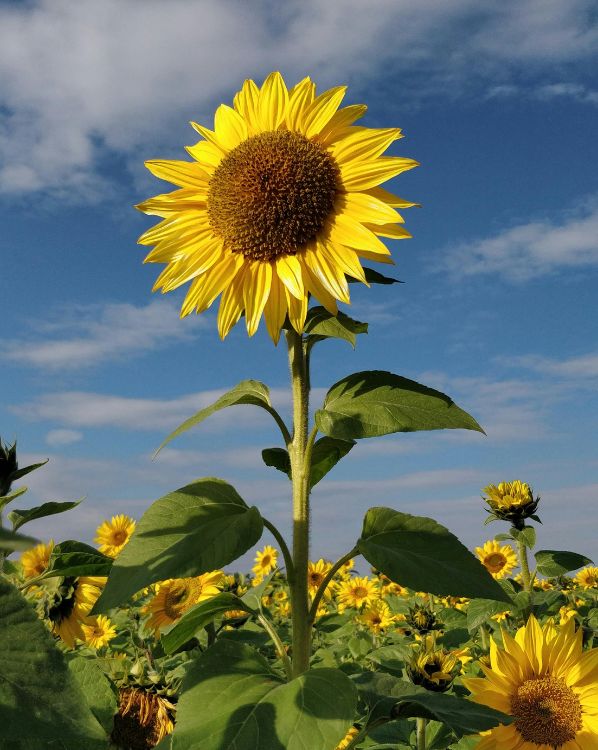
Sunflowers are striking plants that add cheer and boldness to a summer garden, but they are not suitable companions for clematis. Their tall growth, nutrient demands, and shading habits create conflicts that make it difficult for clematis to thrive.
Although it may seem appealing to pair the golden faces of sunflowers with the delicate blossoms of clematis, the two plants require quite different conditions and quickly work against each other when placed too close together.
The biggest issue with sunflowers is their love of full, direct sun. Clematis does need sun on its foliage to produce flowers, but it prefers a balance where the roots remain shaded and cool. Sunflowers tower above clematis, blocking sunlight in inconsistent patterns.
This creates stretches of time where clematis receives too little light for growth, followed by periods of intense heat when the shade shifts. These extremes weaken the plant and interfere with the steady conditions clematis needs to perform well.
Nutrient competition is another concern. Sunflowers are heavy feeders that take up large amounts of nitrogen, potassium, and other nutrients to fuel their fast growth and large blooms.
Clematis vines also need nutrient-rich soil, especially when producing their long stems and abundant flowers. When grown side by side, sunflowers consume much of the available nutrition, leaving clematis with weaker stems and fewer blooms.
Moisture needs create further conflict. Sunflowers have extensive root systems that draw large quantities of water from the soil. Clematis prefers evenly moist conditions, but when planted near sunflowers, it often suffers from drought stress. During dry spells, sunflowers continue to thrive while clematis wilts, showing just how uneven the competition is.
Airflow is another overlooked issue. Sunflowers, when grown in groups, create dense walls that reduce circulation around nearby plants. Clematis needs good airflow to prevent fungal diseases like powdery mildew and wilt. The stagnant, humid conditions caused by sunflowers raise the risk of infection.
While sunflowers bring beauty to the garden, they should be placed in separate areas from clematis. By keeping them apart, gardeners avoid competition and allow clematis to enjoy the balance of sunlight, soil, and airflow it requires to reach its full potential.
Final Thoughts
Clematis is a garden treasure that rewards careful planting with a breathtaking display of flowers. However, its success depends on avoiding neighbors that disrupt its delicate balance of needs.
Black walnut, wisteria, mint, bamboo, and sunflowers each create challenges, whether through chemical toxicity, invasive growth, or heavy competition for resources.
Keeping these plants separate ensures that clematis has the space, nutrients, and conditions it requires. With the right companions, clematis will flourish, covering trellises, fences, and arbors with color year after year.
By planning wisely and avoiding poor neighbors, gardeners can protect their clematis and enjoy its elegance as the centerpiece of the landscape for many seasons to come.