
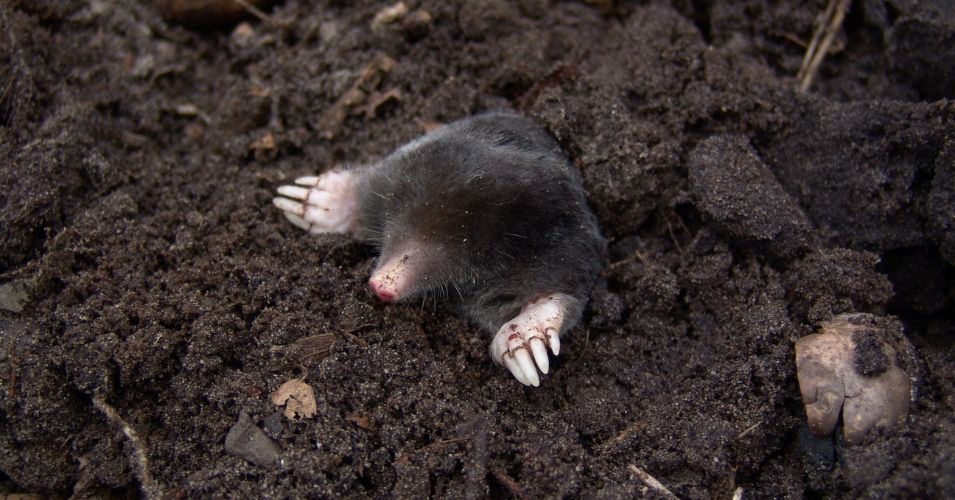
Moles can turn a peaceful garden into a frustrating maze of raised tunnels and soft, uneven ground. What makes them especially tricky is how quietly they move beneath the surface, often causing damage before you even realize they are there.
If you have ever stepped onto a spongy patch of soil or watched your plants tilt without warning, you already know how quickly their presence can disrupt your efforts.
The good news is that moles rely heavily on their sense of smell, and that gives you a powerful, natural way to guide them away.
By understanding what scents they dislike and how to use them properly, you can protect your garden without harsh chemicals or complicated methods.
Why Scent Matters to Underground Pests
Moles live in a world you rarely see, and most of what guides them lies below the surface, where sight is limited, and smell becomes essential. Their tiny eyes do not help much underground, so they rely on scent to understand their surroundings and locate food.
This strong sense of smell helps them find earthworms, insects, and other food sources hidden in the soil. It also allows them to detect danger, changes in their environment, and unfamiliar scents that signal something is not right.
When you introduce a scent that feels threatening or uncomfortable, it disrupts how safe the mole feels in that space. Instead of continuing to tunnel, the mole may hesitate, turn away, or shift its activity to another area where the scent is absent.
That reaction is exactly what makes scent-based methods so effective when used correctly. You are not trying to trap or harm the mole, but rather convince it that your garden is no longer a suitable place to stay.
Moles prefer stable environments where the soil smells familiar and consistent. When those conditions change, even slightly, it creates a sense of unease that pushes them to search for a better location.
This is why sudden changes in scent can work faster than gradual ones. A strong, noticeable smell stands out immediately and forces the mole to respond rather than ignore it.
Another important detail is how scent travels through soil. Unlike air, soil holds scent in pockets, so smells can linger longer underground and continue to influence mole behavior even after you stop applying them.
Understanding this gives you an advantage because it means you do not need to reapply constantly to see results. Instead, you can focus on placing scent in key areas where moles are most active.
Once you start thinking like a mole and recognizing how heavily it depends on smell, the idea becomes simple. If the ground no longer smells safe, the mole will not want to stay.
Strong Smells That Naturally Push Moles Away
Certain smells trigger an immediate negative reaction in moles, and these scents can help you protect your garden without relying on harsh solutions. The key is choosing odors that feel overwhelming or unnatural to their sensitive noses.
One of the most commonly used scents is castor oil, which has a strong, earthy smell that moles find unpleasant. When it soaks into the soil, it creates an environment that feels uncomfortable and unfamiliar to them.
Garlic is another powerful option that works surprisingly well in many gardens. Its sharp scent permeates the soil, creating a strong barrier that moles tend to avoid rather than push through.
Onions can produce a similar effect when placed in areas where tunnels are active. As they break down, their smell becomes more noticeable and continues to influence the surrounding soil.
Some gardeners also use spicy scents, such as chili powder or cayenne pepper, to create an irritant-rich environment underground. These smells can be overwhelming for moles and discourage them from digging nearby.
Strong herbs such as mint and eucalyptus can also help, especially when planted or applied regularly. These scents are refreshing to humans but can be intense and disruptive to animals that rely on smell for navigation.
Another option includes vinegar, which produces a sharp, acidic odor that stands out clearly in the soil. Even small amounts can create a noticeable change that moles quickly recognize.
It is important to remember that not all smells work the same in every garden. Soil type, moisture, and existing conditions can affect how long a scent lasts and how far it spreads.
That is why experimenting with a few different scents can help you find what works best in your specific space.
When you use strong smells thoughtfully and consistently, you create an environment that feels uncomfortable enough for moles to leave on their own.
Ways to Apply Scents That Actually Work
Choosing the right smell is only half the job. If you want scent actually to push moles away, the way you apply it matters just as much as the smell itself.
A lot of people make the mistake of placing one strong scent in a random corner and hoping the mole will disappear. Moles do not move through your yard like surface animals, so your scent needs to meet them where they are already active underground.
The best place to start is with fresh tunnels or soft raised ridges in the soil. These are the main travel routes moles use, and applying scent near them gives you the best chance of interrupting their routine.
One effective method is to soak cotton balls in castor oil, peppermint oil, or a garlic mixture, then place them directly into tunnel openings. Once you lightly cover the spot again, the scent stays closer to where the mole will actually encounter it.
You can also mix castor oil with water and a small amount of dish soap, then spray or pour it over active tunnel areas. This helps carry the scent into the soil rather than leaving it only on the surface, where it fades too quickly.
Another useful approach is creating a scent barrier around the parts of your garden you most want to protect. Instead of treating only one tunnel, treat the edge of a flower bed, vegetable patch, or lawn section so the mole meets resistance before it goes any farther in.
Timing matters too. Applying scent after light watering or before expected moisture can help the scent move deeper into the ground, where it lasts longer and spreads more effectively.
It also helps to refresh your scent after heavy rain, because water can weaken or wash away what was working before. A treatment that worked well one week can become useless if the soil has been soaked.
The goal is not to blast your whole yard with random smells. It is to make the mole’s favorite routes and feeding zones feel unpleasant enough that moving elsewhere becomes the easier choice.
Common Mistakes That Reduce Effectiveness
A scent method can fail even when you are using the right smell, and in many cases, the problem is not the mole. It is the way the scent is being used.
One of the biggest mistakes is applying scent only once and expecting a permanent fix. Moles are persistent animals, and if the smell fades after a few days, they may return as if nothing happened.
Another common problem is placing all the scent above ground while the actual activity occurs beneath the surface. If the smell never reaches the tunnels, the mole may barely notice it at all.
Some gardeners also use too little scent because they are worried about overdoing it. A weak smell may not be enough to disrupt a mole’s behavior, especially in larger yards or deep tunnel systems.
On the other hand, using too many different smells at once can also backfire. Mixing garlic, vinegar, mint, pepper, and castor oil in the same small area can be messy and ineffective rather than more potent.
It is also easy to treat old tunnel lines rather than new ones. Moles often abandon parts of their tunnel system, so if you are targeting dead space, you are wasting time and materials.
Another mistake is ignoring what attracts moles in the first place. If your soil is full of worms and grubs and stays loose and moist all season, a smell alone may not be enough to keep them away for long.
People also give up too early when they stop seeing new tunnels for a few days. Sometimes moles shift their path before trying to return, which is why short-term quiet does not always mean the problem is fully solved.
The most effective scent strategy works because it is repeated, targeted, and adjusted over time. If you avoid the common mistakes, your efforts are far more likely to make a real difference.
Long-Term Habits That Keep Moles From Returning
Keeping moles out of your garden is much easier when you stop thinking in terms of one-time fixes and start building habits that make your yard less inviting over time. Smell can push them away, but long-term success usually comes from combining scent with consistency.
One of the smartest habits is checking your garden every week for fresh tunnel lines, soft ridges, or small soil shifts. Catching mole activity early gives you a better chance of stopping a small problem before it turns into a bigger one.
It also helps to refresh your chosen scent on a regular schedule rather than waiting until damage becomes obvious again. A simple routine every week or two can keep your soil from ever returning to that familiar, comfortable state moles prefer.
Another good habit is protecting the areas they seem to favor most, especially loose garden beds, moist soil, and places where worms are easy to find. These are often the first places moles return to when they test whether your yard feels safe again.
You can also make your garden less appealing by avoiding overwatering whenever possible. Wet, soft soil tends to support the food that moles love and makes tunneling easier.
Many gardeners find success by rotating scent methods from time to time rather than relying on a single scent for months. If you always use the same scent in the same way, it may lose some of its effect.
It is also worth keeping borders in mind, because moles often enter from the edges of a yard rather than appearing in the middle. Treating fence lines, bed edges, and common entry points can help stop them from spreading further.
A clean, well-watched, and regularly treated garden sends a very different message than one that stays undisturbed for long stretches. Moles are far more likely to settle where conditions stay easy and predictable.
When your garden repeatedly smells wrong, feels less welcoming, and offers fewer easy routes, moles usually decide your yard is not worth the trouble.
Final Thoughts
Using smell to keep moles out of your garden is one of the simplest and most natural ways to protect the space you have worked hard to grow. It works best when you stay observant, act early, and apply scent with purpose instead of guessing.
The real advantage of this method is that it works with mole behavior rather than against it. Once you understand how strongly these animals depend on smell, it becomes much easier to make your garden feel like the wrong place for them to stay.
With the right scents, the right placement, and a few steady habits, you can make your garden far less attractive to moles and far more enjoyable for yourself.