
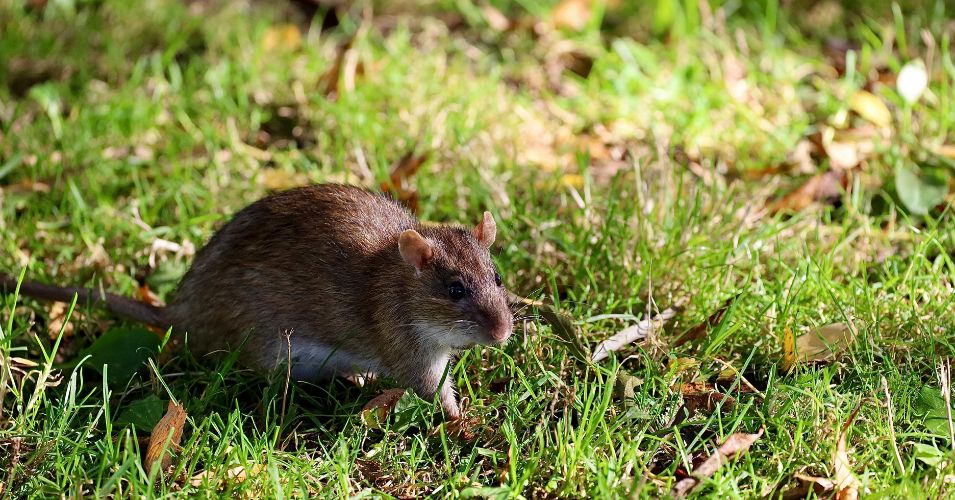
Rats are not just an indoor problem. They often move through yards, hide near sheds, and burrow close to homes.
Once rats feel comfortable outside, it becomes much easier for them to find a way indoors.
Many homeowners want to get rid of rats without using poison or dangerous traps. Smell is one of the most effective tools for doing that.
Rats rely heavily on their sense of smell to locate food and shelter. Certain odors overwhelm them and make an area feel unsafe, pushing them to leave.
Vinegar
Vinegar has a strong, acidic smell that rats find highly unpleasant. While it is a common household item for people, rats experience the scent as irritating and disruptive.
Rats rely heavily on their sense of smell to navigate their environment. They follow scent trails to locate food, recognize safe routes, and identify nesting areas. Vinegar interferes with these trails and makes familiar spaces feel confusing.
When vinegar is present, rats often hesitate before entering an area. The sharp smell overwhelms other odors, signaling that something is wrong with the environment.
Vinegar works best on hard surfaces and well-traveled paths. Areas like patios, walkways, trash can zones, shed entrances, and foundation edges are especially effective locations.
Many homeowners use vinegar by soaking rags or spraying diluted solutions along rat pathways. This creates concentrated scent zones that rats prefer to avoid.
Unlike oils, vinegar does not linger for long periods. Its smell fades as it evaporates, making it a short-term deterrent rather than a permanent solution.
Because of this, vinegar works best when applied frequently. Reapplying every day or after rain helps maintain effectiveness.
Vinegar should not be poured directly onto plants or soil in large amounts. Its acidity can harm grass and beneficial soil organisms if overused.
Used carefully, vinegar is safe around people and pets. It leaves no toxic residue behind once it evaporates.
One advantage of vinegar is its immediate impact. Rats often react quickly to the smell and avoid treated areas right away.
Vinegar is most effective when combined with longer-lasting deterrents, such as peppermint or eucalyptus oil. This combination creates both immediate irritation and ongoing discomfort.
Rats are adaptable animals, but they prefer environments that feel predictable. When a strong vinegar scent keeps disrupting their movement, they often choose to relocate.
As part of a broader prevention strategy that includes removing food sources and shelter, vinegar can help make your yard less attractive to rats.
Peppermint Oil
Peppermint oil has a strong and penetrating scent that rats find overwhelming. While people often associate it with cleanliness or freshness, rats experience it as an intense sensory irritation.
Rats rely on scent trails to navigate their environment. Peppermint oil disrupts these trails, making it difficult for them to locate food or recognize familiar paths.
When peppermint oil is introduced to an area, rats often avoid it altogether. The smell masks other odors, creating confusion that increases stress and discomfort.
One reason peppermint oil is so effective is its concentration. Even small amounts release a powerful aroma that spreads quickly through the air and surrounding surfaces.
Homeowners typically dilute peppermint oil with water and a small amount of soap. This mixture helps the oil adhere to surfaces and prolongs its scent outdoors.
Peppermint oil works well around entry points, along fences, near sheds, and in areas where rats frequently travel. Applying it consistently helps establish a scent barrier rats prefer not to cross.
The scent does fade over time, especially after rain or intense sunlight. Reapplication every few days keeps the smell noticeable and effective.
Peppermint oil is considered safe for people and pets when appropriately diluted. It does not contaminate soil or leave harmful residue behind.
Rats can learn quickly, so consistency matters. When the scent persists, rats are more likely to abandon the area than to adapt to it.
Used as part of a broader prevention strategy, peppermint oil helps make your yard feel unwelcoming to rats and encourages them to seek quieter, less irritating spaces.
Garlic
Garlic has a strong and lingering smell that rats strongly dislike. What smells rich and flavorful to people feels sharp and irritating to a rat’s sensitive nose.
Rats depend on scent to locate food, identify nesting areas, and recognize safe travel routes. Garlic interferes with all of these instincts at once. The sulfur compounds released by garlic overwhelm the air, masking familiar smells rats rely on.
When garlic is present, rats often become cautious and hesitant. Areas that once seemed safe suddenly feel unfamiliar and risky. This discomfort encourages them to avoid the space entirely.
Garlic works well because its smell clings to surfaces. When crushed or chopped, garlic releases even more pungent odors that linger longer and spread more effectively.
Many homeowners make garlic-based sprays using crushed cloves and water. These sprays can be applied to fence lines, near burrows, around sheds, and along foundation edges where rats often travel.
Garlic can also be placed directly in problem areas. Mesh bags or breathable containers allow the scent to escape while keeping the garlic contained.
The smell of garlic can fade over time, especially outdoors. Replacing or reapplying it every few days helps maintain effectiveness.
One benefit of garlic is that it is safe for people and pets when used responsibly. It does not poison the soil or create long-term environmental issues.
Garlic works best when combined with other deterrents. Layering smells makes it harder for rats to adjust or ignore the scent.
Rats are intelligent and adaptable, but they prefer easy and comfortable environments. When garlic scent becomes a constant irritation, they often move on to quieter areas.
With consistent use, garlic helps send a clear message that your yard is not an inviting place for rats to settle.
Hot Peppers
Hot peppers produce a sharp and spicy smell that rats find extremely unpleasant. The scent alone can irritate their noses, prompting them to retreat.
Rats prefer mild and familiar smells. When hot pepper scent fills an area, it creates discomfort and confusion, making exploration risky.
The effectiveness of hot peppers comes from capsaicin. This compound can irritate the nose, mouth, and eyes, even at low concentrations.
When rats encounter the smell, they often stop and turn away. If they attempt to investigate further, the irritation quickly reinforces avoidance.
Hot pepper solutions are commonly used as sprays. Mixing pepper powder or hot sauce with water allows the scent to coat surfaces and linger.
Sprays work well along fences, near garbage areas, around garden borders, and anywhere rats are active. The smell creates a strong deterrent zone.
Rain and moisture can reduce the scent. Reapplying after weather changes helps maintain its strength.
Hot pepper repellents are generally safe for outdoor use when properly diluted. They do not harm soil or plants when applied correctly.
One advantage of hot peppers is how quickly rats learn. A single unpleasant experience is often enough to change their behavior.
Combining hot peppers with garlic or peppermint oil increases effectiveness. Multiple irritants make the area far less appealing.
Consistency is essential. When the spicy smell persists, rats are more likely to abandon the area than adapt.
Used regularly, hot peppers help protect your yard by making it an uncomfortable place for rats to explore or nest.
Eucalyptus Oil
Eucalyptus oil has a sharp and medicinal scent that rats find overwhelming. While people often associate it with cleanliness or relief, rats experience it as intense and unpleasant.
Rats rely on subtle environmental cues to feel secure and orient themselves. Eucalyptus oil floods the air with a strong aroma that masks familiar scent trails. This disruption makes it harder for rats to navigate, forage, and feel comfortable.
When eucalyptus oil is present, rats often hesitate before entering an area. The smell signals irritation and unfamiliar territory, which increases stress. Over time, this stress encourages them to avoid the space altogether.
One reason eucalyptus oil works well is its potency. A small amount produces a noticeable scent that spreads across surfaces and into sheltered spaces. This makes it useful around sheds, woodpiles, fences, and foundation edges.
Homeowners usually dilute eucalyptus oil with water and a mild soap to help it disperse evenly. Spraying this mixture in problem areas allows the scent to linger without damaging plants or soil.
The oil can also be applied to cotton balls or cloth strips placed near rat pathways. These materials slowly release the smell, helping maintain a steady deterrent.
Eucalyptus oil is considered safe for outdoor use when appropriately diluted. It does not pollute the environment or leave harmful residues, making it appealing for residential yards.
Like most natural scents, eucalyptus oil fades over time. Rain, sunlight, and wind can weaken the smell. Reapplication every few days helps maintain effectiveness.
Eucalyptus oil is most effective when used as part of a broader prevention plan. Removing food sources and sealing entry points strengthens its impact.
Rats prefer environments that feel predictable and calm. When eucalyptus oil is consistently present, your yard no longer meets those conditions.
With regular use, this medicinal scent helps convince rats to move on and seek out areas that feel safer and more familiar.
Final Thoughts
Keeping rats out of your yard does not require extreme measures or harmful chemicals.
Smell-based deterrents work by altering how rats experience their environment. When strong and unfamiliar scents are present, rats feel stressed and unsafe.
Consistency matters more than any single smell. Reapplying scents and rotating methods prevents rats from adapting.
Combining eucalyptus oil, garlic, peppermint, vinegar, and hot peppers creates a layered deterrence that is harder to ignore.
These methods focus on prevention rather than punishment. By making your yard uncomfortable for rats while removing food and shelter, you encourage them to move on naturally and stay away for good.