
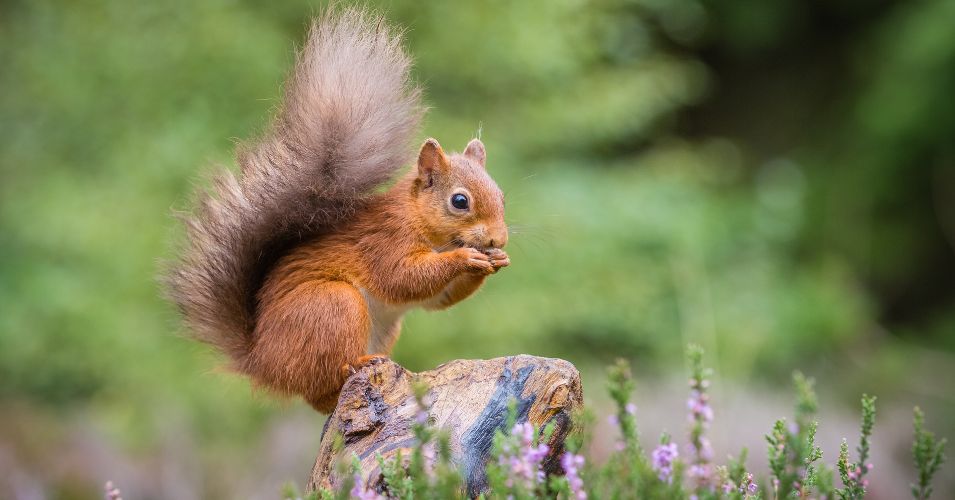
Squirrels may look cute as they dart across fences and trees, but they can quickly become one of the most frustrating yard pests you will ever deal with.
They dig up flower beds, steal bird seed, chew on wood, and seem to return no matter how often you chase them away.
Many homeowners want a solution that does not involve traps or harm.
The good news is that squirrels rely heavily on their sense of smell, and certain odors can make your yard feel unwelcoming to them.
By understanding which scents squirrels hate, you can protect your outdoor space simply and naturally.
Why a Squirrel’s Nose Controls Its Behavior
Squirrels experience the world through scent far more than most people realize. Their noses guide nearly every decision they make, from where they search for food to where they feel safe enough to settle down. While humans rely heavily on sight, squirrels depend on smell to quickly and accurately interpret their surroundings.
Smell acts as an early warning system for danger. If an odor feels unfamiliar, sharp, or overwhelming, a squirrel’s instinct is to retreat first and investigate later. This reaction is not learned behavior. It is hardwired into their survival instincts.
In the wild, this sensitivity protects them from predators, toxic plants, and spoiled food. A single wrong choice can mean injury or death, so squirrels evolved to be highly cautious about scent signals in the air and on the ground.
When a squirrel enters your yard, it immediately begins reading the smell of the space. It smells the soil, plants, mulch, wood, and even traces left behind by people and pets. These layered scents help it decide whether the area is worth exploring or best avoided.
If the smells suggest safety, available food, and minimal threat, the squirrel stays and becomes comfortable. If the scents signal danger, irritation, or stress, the squirrel looks elsewhere. Comfort matters to squirrels just as much as food does.
This is why scent-based deterrents can be so effective. You are not trying to scare squirrels away solely through noise or physical barriers. You are making the environment feel wrong to them on an instinctive level.
A squirrel cannot simply decide to tolerate a smell it dislikes. Strong odors linger in their nasal passages, causing constant discomfort. Over time, that discomfort builds into stress.
Stress makes your yard feel unsafe and unpredictable. Given the choice, squirrels will always move toward calmer spaces that do not challenge their senses.
Strong Household Smells That Send Squirrels Running
Many everyday household items produce smells that squirrels strongly dislike. These odors overwhelm their sensitive noses and disrupt their sense of safety, often causing them to leave an area quickly and avoid returning.
Vinegar is one of the most effective examples. Its sharp, acidic smell is unpleasant to squirrels and signals a harsh, unwelcoming environment. When vinegar scent lingers, squirrels struggle to relax enough to forage or dig.
Ammonia is another powerful deterrent. Its smell closely resembles that of predator urine, triggering an instinctive fear response. Even small amounts can make squirrels believe a threat is nearby.
Peppermint oil is surprisingly effective. While many people enjoy its fresh scent, squirrels find the strong menthol aroma irritating and overwhelming. It interferes with their ability to process other smells.
Garlic and onion scents also work well. These odors suggest spoiled or unsafe food sources to squirrels, making the area feel unreliable. This discourages them from lingering or nesting nearby.
Used coffee grounds create a bitter, earthy smell that squirrels dislike. When spread across garden beds, they can help reduce digging and plant damage.
Spicy smells such as chili powder or cayenne pepper add another layer of deterrence. The scent alone causes nasal irritation, even without direct contact.
These household smells work best when refreshed regularly. Rain, wind, and time weaken their strength.
Consistency is key. When strong odors remain present, squirrels learn that your yard is not a comfortable place to spend time.
Plant-Based Scents Squirrels Avoid Instinctively
Many plants produce natural scents that squirrels instinctively avoid. These smells are not meant to repel animals on purpose, but they evolved to protect plants from being eaten or disturbed. When squirrels encounter these odors, their instincts tell them to keep their distance.
Mint is one of the most effective plant-based deterrents. Peppermint and spearmint release powerful oils that quickly overwhelm a squirrel’s sensitive nose. Even small amounts can make an area feel uncomfortable and confusing.
Lavender is another scent squirrels dislike. While people often associate lavender with calm and relaxation, squirrels experience it very differently. The intense floral aroma interferes with their ability to track food scents and assess safety.
Marigolds are well known for their pest-repelling qualities. Their musky smell lingers close to the soil where squirrels dig and forage. This makes garden beds feel less inviting and discourages repeat visits.
Herbs like rosemary, thyme, and sage also help. These plants release sharp, earthy scents that squirrels associate with poor food quality. When planted densely, they create a natural barrier that squirrels prefer to avoid.
Eucalyptus is especially potent. Its medicinal aroma is intense and persistent, making it difficult for squirrels to focus on other smells nearby. This creates a sense of disorientation that pushes them away.
Daffodils add another layer of protection. Squirrels recognize their scent as a warning sign of toxicity. Even if food is nearby, the presence of daffodils may make the area feel risky.
Plant-based scents work best when concentrated. Crushed leaves, essential oil sprays, or thick plantings increase their effectiveness. Over time, squirrels learn that areas filled with these smells are not worth exploring.
Using Predator Odors to Trigger Fear Responses
Predator odors tap directly into a squirrel’s strongest survival instinct. These smells signal danger, even if no predator is actually present. For squirrels, it is better to flee than to risk staying in a threatening environment.
In the wild, squirrels rely on scent to detect predators long before they see them. The smell of a predator means potential death, so their response is immediate and decisive.
Urine from predators such as foxes, coyotes, or raccoons is especially effective. These scents tell squirrels that a hunter may be nearby and actively marking territory.
Even without direct contact, the lingering odor is enough to create fear. Squirrels do not wait to confirm the threat. They leave and search for safer ground.
Commercial predator urine products are commonly used for this purpose. They are designed to mimic natural scents and can be applied around gardens, fences, and entry points.
Ammonia works similarly. Its sharp smell resembles predator urine and can trigger the same avoidance behavior. This makes it a popular household alternative.
The key to using predator odors successfully is placement. Applying them near areas where squirrels enter or cause damage increases their impact.
These scents should be refreshed regularly. Rain, sunlight, and time break them down and weaken them.
Predator odors are most effective when used strategically rather than indiscriminately. Concentrated areas of scent feel more realistic to squirrels.
When combined with other deterrents, predator smells reinforce the idea that your yard is unsafe. Over time, squirrels learn to stay away and choose quieter, less threatening spaces nearby.
How to Apply Scent Repellents for Lasting Results
Applying scent repellents correctly is just as important as choosing the right smells. Even the most pungent odors will fail if they are used inconsistently or placed in the wrong locations. A thoughtful approach makes the difference between short-term success and lasting squirrel control.
Start by identifying where squirrels cause the most trouble. Common areas include garden beds, bird feeders, fence lines, roof edges, and entry points near attics or sheds. These locations should always be your priority.
Scent repellents work best when they are placed at squirrel level. Applying smells high in the air or too far from activity zones reduces their effectiveness. Ground-level placement keeps the scent where squirrels naturally explore.
Liquid sprays and soaked cotton balls allow for precise placement. These methods concentrate the smell, making it harder for squirrels to ignore. Refresh them often, especially after rain or heavy dew.
Dry repellents such as coffee grounds, crushed herbs, or spices should be reapplied regularly. Wind and moisture weaken these scents faster than oils or sprays.
Rotating scents helps prevent squirrels from becoming accustomed to a single scent. Switching between mint, garlic, vinegar, and predator-based smells keeps the environment unpredictable.
Results depend on steady repetition. Occasional use rarely convinces an animal to change its behavior. Regular maintenance teaches squirrels that the area will remain uncomfortable.
Avoid overuse in one spot. Extremely strong concentrations can fade quickly and may bother people or pets. Balanced placement works better over time.
Combine scent repellents with physical deterrents, such as fencing or covered feeders. Together, they reinforce the message that your yard is not worth the effort.
When applied thoughtfully, scent repellents create long-term avoidance. Squirrels learn that safer and easier options exist elsewhere.
Final Thoughts
Squirrels may be persistent, but they are also highly sensitive to their surroundings. Their strong reliance on smell gives homeowners a powerful and humane way to protect yards and gardens.
Using scents squirrels hate does not require expensive equipment or harmful methods. Simple household items, plant-based deterrents, and predator odors can work together to create an unwelcoming environment.
The key is patience and consistency. Results improve over time as squirrels learn to associate your yard with discomfort and risk.
With the right approach, you can enjoy your outdoor space again without constant digging, chewing, or frustration.