
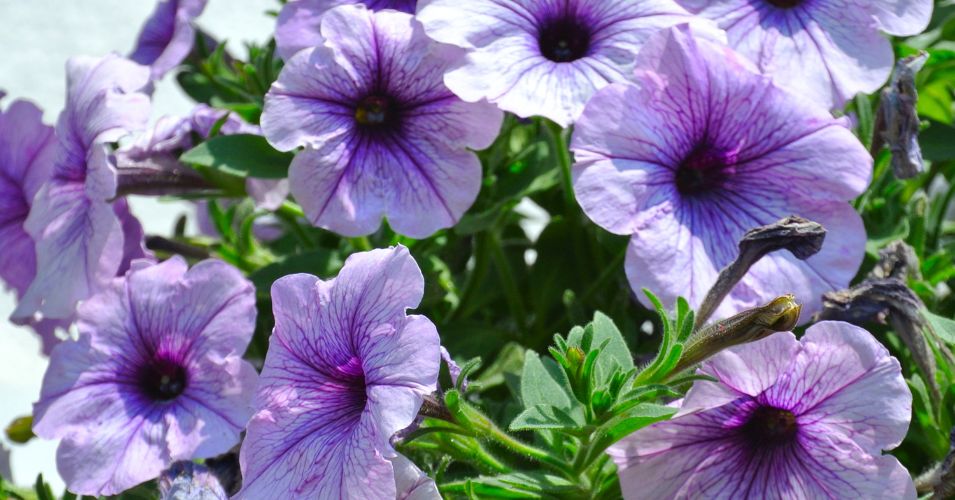
Petunias can bring a garden back to life in spring with their bright colors, soft fragrance, and nonstop energy. After winter, though, they need more than just sunshine and water to thrive truly.
A strong spring routine helps them grow fuller, bloom longer, and stay healthy through the warmer months ahead. The good news is that petunias are not difficult to care for once you understand what they need early in the season.
A few smart steps can make the difference between thin, tired plants and baskets or beds overflowing with flowers. When you give them the right start, petunias often reward you for months.
Choose the Best Petunia Types for a Strong Spring Display
One of the smartest things you can do in spring is choose the right kind of petunia before you even begin planting. Not all petunias grow the same way, and picking the wrong type can leave you with a display that feels sparse, messy, or harder to manage than expected.
Some petunias stay compact and rounded, which makes them ideal for borders, smaller pots, and neat flower beds. Others spread outward quickly and work much better in hanging baskets, window boxes, or containers where they can spill over the edges and create a fuller look.
Grandiflora petunias are known for their large, showy blooms that stand out right away. They can look beautiful in spring arrangements, but they are sometimes more delicate in wet or windy weather, so they often do best in protected spaces where their flowers can stay cleaner and more intact.
Multiflora petunias usually produce smaller flowers, but they bloom more heavily and often handle changing spring conditions better. If you want a colorful display that fills in quickly and keeps looking lively, this type can be a very dependable choice.
Wave and trailing petunias are especially popular for gardeners who want dramatic color with less empty space. These varieties spread outward fast, cover containers well, and can create the soft, overflowing look that makes spring planters feel lush and finished.
Color choice matters more than many people realize. Mixing too many shades can make a planting look busy, while choosing two or three complementary colors often creates a cleaner, more eye-catching result.
It also helps to think about where your petunias will be seen most often. Bright pinks, purples, reds, and whites can all create different moods, and selecting colors with your porch, patio, or garden style in mind can make the whole space feel more intentional.
The best spring petunia display usually starts with a simple decision: choosing the type that fits your space, your weather, and the look you actually want to enjoy every day.
Plant Petunias in a Way That Encourages Fuller Growth
How you plant your petunias in spring has a huge effect on how full and healthy they look later on. Even beautiful, high-quality plants can end up weak or uneven if they are placed too tightly, buried poorly, or given the wrong kind of start.
One of the most common mistakes is planting petunias too close together because small starter plants can make containers and flower beds look empty at first. It is tempting to crowd them, but giving each plant enough space allows air to move through and helps the stems branch outward more naturally.
At the same time, spacing should not be too wide either. If petunias are planted with a balanced spacing between them, they usually grow into one another, creating a thick, flowing appearance without looking crowded or stressed.
When placing petunias into soil, make sure the root ball sits level with the surface rather than buried too deeply. Planting too low can trap moisture around the base of the stems, which often leads to rot, weakness, or poor growth as spring temperatures rise.
Loosening the roots before planting can also help them settle faster. If the roots are tightly packed from a nursery container, gently teasing them apart gives them a better chance to spread into the surrounding soil and establish more evenly.
It also helps to think about shape while you plant. In containers and baskets, placing one plant in the center and others around the edges often creates a fuller, more balanced look as they grow outward and begin to flower heavily.
In garden beds, planting in soft clusters instead of rigid straight lines can make petunias look more natural and generous. That small design choice often gives your spring garden a richer and more welcoming feel.
A full petunia display does not happen by accident. It usually begins with thoughtful planting, enough breathing room, and a layout that gives each plant the chance to spread, bloom, and fill its space beautifully.
Keep Your Petunias Blooming Longer Through the Season
One of the best things about petunias is that they can bloom for a long stretch of time when they are cared for properly in spring. A healthy start often leads to a much better display later, but keeping those flowers coming takes a little ongoing attention.
Many gardeners assume petunias will continue blooming on their own once they begin. They are generous plants, but they still need help to stay full, colorful, and active rather than fading out too early.
The first key is consistency. Petunias often perform best when their care stays steady rather than changing week to week, because sudden neglect or irregular maintenance can quickly affect both flower production and overall plant shape.
Removing faded flowers makes a big difference over time. When old blooms are left in place for too long, the plant begins putting energy into seed production instead of pushing out fresh buds, which can slow down the bright, lively look you want through spring and beyond.
It also helps to keep an eye on how the plant is using its energy. If a petunia starts producing long stems with fewer flowers near the center, that is often a sign it needs a little correction before the shape becomes too stretched or tired.
The weather also affects how long petunias keep blooming. Heavy spring rain, strong winds, or cool nights can leave flowers looking worn, and removing damaged blooms and weak growth helps the plant recover more quickly and keep moving forward.
Container petunias especially need regular attention because they grow fast and use up their resources sooner than plants in the ground. A basket that looks amazing in early spring can lose its impact surprisingly quickly if it is not intentionally maintained.
The good news is that petunias usually respond well when you stay involved. A little cleanup, steady care, and quick attention to changes can help them keep producing color long after many other spring flowers begin to slow down.
Feed and Trim Petunias for More Flowers
If you want petunias to stay full and covered in blooms, feeding and trimming should become part of your spring routine. These two steps are often what separate average-looking plants from the ones that seem to flower without stopping.
Petunias grow quickly once the season gets going, and that fast growth uses a lot of energy. If the soil does not provide enough support, the plant may still survive, but the flowers can become fewer, smaller, and less impressive over time.
A balanced fertilizer made for flowering plants is usually a good place to start. It helps support both healthy foliage and strong bud production, which is exactly what petunias need as they build up for a long blooming season.
Feeding should be done with care rather than excess. Too much fertilizer can sometimes cause a plant to produce too many leaves and stems rather than flowers, leaving it looking lush yet strangely disappointing.
Trimming is just as important as feeding, especially once petunias begin to stretch. When stems get too long and leggy, the plant often starts blooming mostly at the tips while the center becomes thin and less attractive.
A light trim encourages the plant to branch out rather than reach too far in one direction. That usually leads to a fuller shape and more places for buds to form, which means a better flower display over the following weeks.
Do not wait until the plant looks completely worn out before cutting it back. A small trim at the right time is often far more effective than a heavy rescue later, when the plant has already lost much of its strength and shape.
Petunias respond well when they are guided a little. With steady feeding and thoughtful trimming, they often reward you with stronger growth, thicker coverage, and far more flowers than they would produce on their own.
Protect Spring Petunias From Early Problems
Spring can feel like the perfect season for growth, but it also brings a mix of conditions that can challenge young petunias if you are not paying close attention. Catching small problems early often prevents them from becoming larger setbacks that affect the entire display.
One of the first things to watch for is sudden changes in the weather. Cool nights followed by warm days can stress plants, and heavy rain can damage delicate blooms or compact the soil, which makes it harder for roots to grow comfortably.
Good airflow plays a quiet but important role in keeping petunias healthy. When plants are packed too tightly or placed in still, humid spots, moisture can linger on leaves, creating conditions in which problems develop more easily.
Pests can also appear quickly in spring as temperatures rise. Aphids and small insects often gather on new growth, and while they may seem minor at first, they can slow development and affect how well the plant produces flowers.
Checking your plants regularly makes a big difference. A quick look every few days helps you notice early signs like curling leaves, sticky residue, or uneven growth, which often signal that something needs attention.
Soil condition matters just as much as what you see above ground. If the soil stays too wet for too long, roots can weaken, and that usually leads to slower growth and a plant that struggles to stay full and vibrant.
Keeping your planting area clean can also prevent problems from spreading. Removing damaged blooms, fallen leaves, and weak stems reduces the risk of issues developing around the base of the plant.
Petunias are resilient when given the right support. By staying aware of early warning signs and making small adjustments along the way, you can protect your plants and keep them looking strong as spring unfolds.
Final Thoughts
Caring for petunias in spring is all about giving them a strong start and staying consistent as they grow. When you choose the right varieties, plant them with care, and support them with simple maintenance, they respond with steady growth and vibrant color.
Paying attention to small details helps prevent problems and keeps your plants looking fresh. A little effort early in the season often leads to a fuller, longer-lasting display.
With patience and regular care, your petunias can turn any space into something bright, welcoming, and full of life throughout the months ahead.