
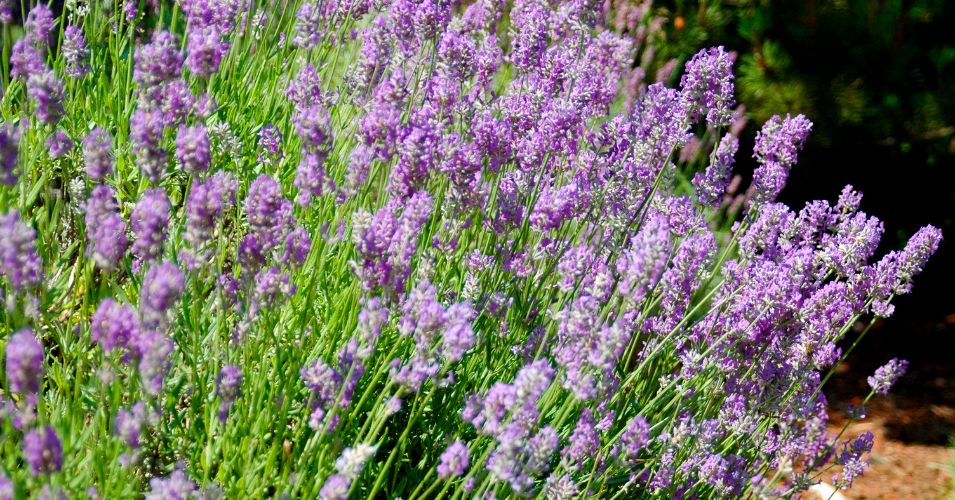
Lavender has a way of making any garden feel more inviting, especially when its purple flowers are in full bloom and the scent fills the air.
Once those flowers begin to fade, however, many gardeners are unsure what to do next. A quick summer prune is often all it takes to keep the plant looking neat and growing well for years to come.
The key is knowing how much to cut and, just as importantly, what to leave behind. This guide will walk you through the process, helping you prune with confidence and keep your lavender in excellent condition.
How Summer Pruning Helps Lavender Stay Healthy
Lavender is naturally tough, but it performs much better when it receives a little attention after flowering.
A summer prune is one of the simplest jobs you can do, yet it has a lasting effect on the plant’s health, appearance, and future growth. Instead of allowing faded flower stems to remain in place, you encourage the plant to put its energy into producing fresh shoots.
One of the first things you’ll notice after pruning is how much tidier the plant looks. Lavender can become untidy once the flowers begin to dry, especially after windy or rainy weather. Removing the old flower spikes quickly restores its neat, rounded shape and helps it remain an attractive feature in the garden.
Regular pruning also encourages fuller growth. When old stems are trimmed back, the plant responds by producing new side shoots. Over time, this creates a denser shrub with more flowering stems instead of long, bare branches.
The difference may not be obvious after a single season, but it becomes much more noticeable after several years of consistent care.
Another reason to prune is to improve airflow through the plant. Lavender dislikes sitting in damp conditions, and crowded stems can hold moisture longer than they should. Better air circulation allows the foliage to dry more quickly after rain, reducing the chance of fungal problems that sometimes affect neglected plants.
Summer pruning also helps slow the spread of woody growth. As lavender matures, the lower stems naturally become thick and woody. While this is a normal part of the plant’s life, regular trimming encourages leafy growth around the outside and helps prevent the shrub from looking sparse or leggy too soon.
Perhaps the biggest reward comes the following year. Healthy new growth produced after summer pruning forms the framework for future flowers. A well-maintained lavender plant often rewards that effort with a fuller display and a stronger fragrance when the next flowering season arrives.
A few minutes with a pair of clean pruning shears each summer is enough to keep lavender looking its best. It is a small task, but one that pays off year after year.
Choose the Right Time for the Best Results
Pruning lavender at the right moment is just as important as making the correct cuts. If you trim too soon, you lose flowers that are still worth enjoying. Wait too long, and the plant has less time to recover before cooler weather arrives.
Finding the right balance gives lavender the best chance to produce healthy new growth.
The ideal time usually comes once the main flush of flowers has faded. Bright purple blooms gradually fade and begin to dry on the stems. At this stage, the plant has finished most of its flowering and is ready for a light trim. There is no need to rush. Watching the flowers is far more reliable than following a specific date on the calendar.
Many gardeners like to harvest lavender before pruning. If you plan to dry the flowers for sachets, arrangements, or cooking, cut them while they still have good color and fragrance. Once you’ve gathered what you need, you can shape the plant at the same time, saving yourself an extra job later.
Try to choose a dry day whenever possible. Fresh cuts heal more quickly when the weather is settled, and dry conditions reduce the risk of disease. It is also easier to see the plant’s shape when the stems are not weighed down by rain.
Climate plays a part as well. Lavender in warmer regions often finishes flowering earlier than plants growing in cooler areas. Instead of comparing your garden to someone else’s, pay attention to what your own plants are doing. Its growth will always give you the clearest signal.
Avoid leaving pruning until late autumn. Fresh shoots produced after a late trim may not have enough time to mature before temperatures fall. Those tender stems are much more vulnerable to winter damage, which can leave the plant weaker when spring arrives.
Getting the timing right is not complicated. Once you learn to recognize the end of the flowering season, summer pruning becomes a straightforward part of caring for lavender, helping it stay healthy, compact, and ready for another year of colorful blooms.
A Step-by-Step Guide to Pruning Lavender
The first time you prune lavender, it is easy to think you might cut off too much. In reality, the opposite is more common. Most people are so cautious that they barely trim the plant at all. Once you understand where to cut, the process becomes surprisingly simple.
Before picking up your pruning shears, spend a minute looking over the plant. You are aiming to remove the faded flower stems while keeping plenty of soft green growth. Ignore the thick, woody stems at the base. Those are not the parts you want to cut back.
Start at the top of the plant and work your way around it. Snip off each flower stem just above the leafy growth, making clean cuts as you go. There is no need to measure every stem. Instead, focus on keeping the overall shape even.
As the flower spikes fade, the shrub’s natural shape becomes easier to see. If one side looks taller or fuller than the other, trim it lightly until the plant looks balanced. A soft, rounded shape suits lavender far better than sharp edges or flat sides.
Take your time and step back every few minutes. Looking at the plant from a short distance often makes uneven spots easier to notice than when you are standing directly over it. Small adjustments usually produce better results than making several large cuts at once.
The one place you should avoid is the bare woody section near the bottom of the shrub. Lavender does not reliably produce new shoots from old wood, so cutting into these stems can leave permanent gaps. As long as green leaves remain below your cuts, the plant has a good chance of producing fresh growth.
Once you are happy with the shape, gather the cut stems from around the base. Leaving them scattered on the soil can trap moisture and make the area look untidy. With the pruning finished, your lavender has plenty of time to put on fresh growth before the growing season comes to an end.
Common Mistakes That Can Harm Your Plants
Most lavender problems are not caused by pests or disease. They begin with small pruning mistakes that seem harmless at the time. A single bad cut will not usually ruin a healthy plant, but repeating the same mistakes every year can leave lavender woody, thin, and disappointing.
The mistake gardeners regret most is cutting too deeply. It can be tempting to shorten an overgrown shrub by removing large sections, but lavender rarely responds well when the cuts reach old, leafless wood. If you cannot see green leaves below the point where you plan to cut, it is usually best to stop.
Doing nothing at all creates a different problem. Lavender that is never pruned slowly loses its compact shape. The stems become longer, the center opens, and flowering gradually becomes less impressive. A light trim every summer is much easier than trying to rescue a neglected plant years later.
The condition of your tools also matters. Sharp blades leave clean cuts that heal quickly, while blunt shears can tear stems instead. It only takes a few moments to clean and sharpen your tools before you begin, but that small effort helps keep the plant in good condition.
Timing catches out plenty of gardeners as well. Pruning while the plant is still putting on its best display means cutting off flowers you could have enjoyed for weeks. Leaving the job until late in the year is no better because fresh shoots may not have enough time to mature before cold weather arrives.
One final mistake is assuming that every lavender plant should be treated the same way. Some bloom earlier than others, and weather can shift the growing season by several weeks. Instead of following a fixed date each year, let the plant tell you when it is ready.
Lavender is forgiving, which is one reason it remains so popular. A little care, sensible timing, and a gentle approach are usually all that is needed to keep it healthy and flowering well for years.
Simple Ways to Keep Lavender Thriving After Pruning
Once pruning is finished, lavender does not need constant attention. In fact, leaving it alone is often the best thing you can do.
This Mediterranean plant is happiest when conditions are simple, with plenty of sunshine, good airflow, and soil that never stays wet for long.
If the weather is dry, give newly pruned plants a light watering to help them settle. After that, let the soil dry before reaching for the watering can again. Established lavender is well adapted to periods without rain and usually suffers more from overwatering than from a lack of moisture.
Take a look at the area around the base of the plant while you are there. Fallen leaves, weeds, and old flower stems can collect over time, holding moisture where it is least welcome. Keeping this space clear improves air circulation and helps reduce the risk of fungal problems.
There is rarely any need to feed lavender heavily after pruning. Rich fertilizers encourage fast, leafy growth, but that often comes at the expense of flowers. Lavender naturally prefers lean soil, so it usually performs better without regular feeding. If your garden soil is especially poor, a small amount of balanced fertilizer is all that is needed.
Over the next few weeks, fresh green shoots should begin to appear along the trimmed stems. That is a good sign the plant has responded well. Some shoots will naturally grow a little faster than others, but there is no need to keep trimming them. Let the plant fill out on its own.
While you are working in the garden, make a habit of checking your lavender every so often. Broken stems, damaged growth, or the occasional faded flower can be removed in seconds. These small jobs prevent the plant from looking neglected and save time when the next pruning season arrives.
Lavender has earned its reputation as an easy plant because it asks for so little. Give it sunshine, avoid overwatering, and prune it once a year, and it will usually reward you with healthy growth and fragrant flowers for many seasons.
Final Thoughts
Pruning lavender in summer is less about cutting the plant back and more about helping it stay at its best. A light trim after flowering keeps the shrub compact, encourages fresh growth, and helps prevent it from becoming woody before its time.
There is no need to overthink the process. Pay attention to your plant, wait until the flowers have faded, and avoid cutting into the old woody stems. Those few simple habits are enough to keep most lavender varieties healthy year after year.
Like many gardening jobs, confidence comes with practice. The more familiar you become with your plants, the easier it is to recognize when they are ready for pruning and how much they need to be pruned.
Before long, it will feel like a natural part of your summer routine, and your lavender will reward the effort with beautiful flowers, fragrant foliage, and a tidy shape that lasts well beyond the flowering season.