
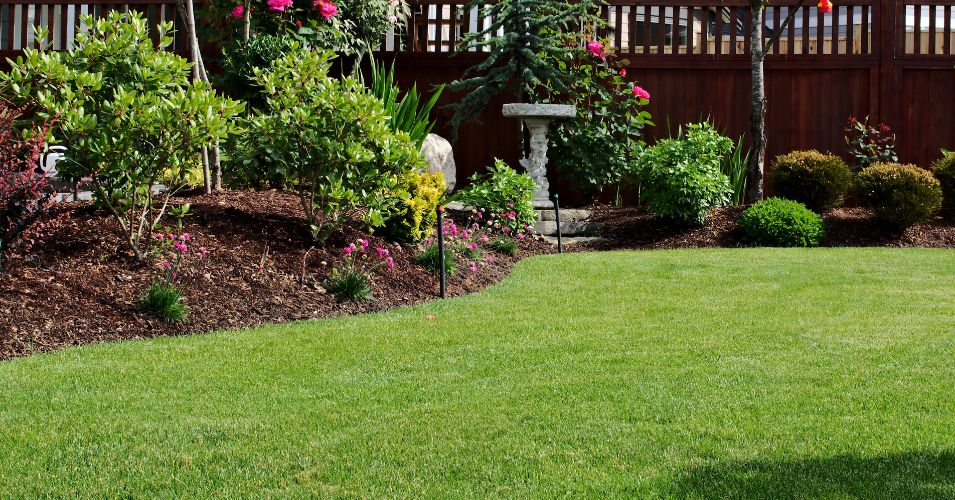
A lush green lawn in summer feels like a reward for all the effort you have put in during the year. It is where you relax, play, and enjoy long sunny days.
But summer can also be tough on grass, with heat, dry soil, and constant use putting it under stress.
Caring for your lawn during this season is not just about keeping it alive. It is about helping it thrive despite the challenges. With the right approach, your lawn can stay vibrant, soft, and healthy all summer long.
This guide will walk you through simple but effective ways to keep your lawn looking its best when temperatures rise.
What Summer Heat Really Does to Your Lawn
When summer arrives, your lawn faces a completely different environment than in spring. The longer days and stronger sunlight push grass into survival mode rather than growth mode.
At first, everything may still look green and healthy, but beneath the surface, your lawn is working harder than it seems.
High temperatures cause moisture to evaporate quickly from the soil, leaving grass roots with less water available, even if it rained recently. As the soil dries out, roots begin to shrink and struggle to pull in nutrients.
This is often when you notice your lawn losing its rich color. Grass can fade from deep green to dull tones, and in some spots, it may turn brown, especially in areas exposed to full sun all day. This does not always mean the grass is dead, as many types go dormant to protect themselves.
Foot traffic becomes another hidden issue during summer. Walking, playing, or even placing outdoor furniture on the lawn can press down on already stressed grass.
When blades are dry and weak, they do not recover as easily, and compacted soil makes it harder for water and air to reach the roots.
Heat also creates the perfect conditions for pests and disease. Certain insects are more active in warm weather and tend to target weakened grass. At the same time, dry patches can spread damage quickly if left untreated.
Understanding these effects helps you respond more effectively. Instead of pushing for growth, your focus should shift toward protecting the lawn. A yard that maintains strong roots through the heat will bounce back much faster once cooler conditions return.
Water in a Way That Builds Deep Roots
Watering your lawn might seem simple, but the method you use can shape how strong and resilient your grass becomes.
In summer, the aim is not just to keep the surface damp. It is to encourage roots to grow deeper into the soil, where moisture lasts longer, and temperatures stay more stable.
One of the most common mistakes is watering lightly every day. This approach only wets the top layer of soil, which encourages roots to stay shallow. Shallow roots dry out quickly, making your lawn more dependent on constant watering and more vulnerable during heat waves.
A better approach is to water deeply but less often. When you water thoroughly, moisture moves deeper into the soil, pulling roots along. Over time, this creates a stronger root system that can handle dry conditions much better.
Timing also plays an important role. Early morning is the best time to water, as temperatures are lower and less water is lost to evaporation. Watering in the evening can leave the grass damp overnight, which may increase the risk of disease.
You should also pay attention to how your lawn responds. If footprints remain visible after walking on the grass or if the blades begin to curl, these are signs that your lawn needs water. Instead of sticking to a strict schedule, adjust based on weather and soil conditions.
By watering with purpose rather than habit, you help your lawn become more self-sufficient. Deep roots act like a reserve system, allowing grass to stay greener for longer even when rain is scarce.
Cutting Grass Without Causing Damage
Mowing the lawn might seem like a simple routine task, but during summer it requires a more careful approach. The way you cut your grass can either help it cope with heat or add extra stress at the worst possible time.
One of the most important changes you can make is to raise your mowing height. Taller grass provides natural shade to the soil, which helps retain moisture and keeps roots cooler.
Short grass, on the other hand, exposes the soil to direct sunlight and causes it to dry out much faster. Keeping your lawn slightly longer creates a buffer against heat and reduces the need for frequent watering.
It is also important to avoid cutting too much at once. A good rule is to remove no more than one third of the grass blade in a single mow. Cutting too low or too aggressively can shock the grass, especially when it is already dealing with high temperatures. This can lead to yellowing patches and slower recovery.
Sharp mower blades make a bigger difference than many people realize. Dull blades tear the grass rather than cut it cleanly, leaving rough edges that lose moisture more quickly and are more susceptible to disease. A clean cut helps the lawn heal faster and stay healthier overall.
Timing matters as well. Mowing during the hottest part of the day can stress the grass even more. It is better to mow in the early morning or late evening when temperatures are lower. This reduces strain and allows the grass to recover more easily.
Leaving grass clippings on the lawn can actually be beneficial during summer. These clippings break down quickly and return nutrients to the soil while also helping to retain moisture.
When done correctly, mowing becomes more than just keeping your lawn neat. It becomes a way to protect and support your grass through the toughest part of the year.
Feeding for Growth Without Burning Your Lawn
Fertilizing your lawn in summer can be helpful, but it needs to be done with care. Grass is not growing as actively in high heat, so giving it too much fertilizer can do more harm than good.
During this season, the focus should shift from pushing rapid growth to maintaining steady health. Using a lighter application of fertilizer helps provide essential nutrients without overwhelming the grass.
Too much fertilizer, especially high in nitrogen, can cause rapid top growth that the roots cannot support in hot conditions.
This imbalance can weaken the lawn and increase the risk of damage. In some cases, overfeeding can even lead to fertilizer burn, where the grass turns yellow or brown as excess salts draw moisture out of the blades.
Choosing the right type of fertilizer also makes a difference. Slow-release formulas are often a better option in summer because they provide nutrients gradually. This allows the grass to absorb what it needs without sudden spikes in growth.
Applying fertilizer at the right time is just as important as choosing the right product. Early morning or late evening is ideal, as cooler temperatures reduce stress on the grass. It is also helpful to water the lawn lightly after feeding to help nutrients move into the soil and reach the roots.
Pay attention to your lawn’s condition before applying anything. If the grass is already stressed, dry, or dormant, it is often better to wait until conditions improve. Feeding at the wrong time can make recovery harder rather than easier.
A balanced approach to fertilizing keeps your lawn supported without pushing it beyond its limits. By giving it just enough nutrients, you help it stay resilient through summer and ready to thrive again when cooler weather returns.
Keep Your Lawn Green Through Stress, Weeds, and Wear
Even with proper watering and mowing, your lawn will still face challenges during summer. Heat, heavy use, and unwanted growth can slowly wear it down if not managed carefully.
Keeping your lawn green during this time is about reducing pressure and responding quickly to early signs of trouble.
One of the biggest issues in summer is physical stress from everyday use. Lawns become gathering spaces for outdoor activities, which means more foot traffic.
Over time, this can flatten grass and compact the soil, making it harder for roots to access air and water. Rotating activity areas or giving certain sections a short break can help prevent long-term damage.
Weeds also tend to take advantage of stressed lawns. When grass becomes thin or weak, weeds move in to fill the gaps.
Instead of relying on heavy chemical treatments, focus on strengthening your grass so it can compete naturally. A thick, healthy lawn is the best defense against unwanted plants.
Spot treating weeds can still be useful, especially if they begin to spread. Removing them early keeps them from taking over larger areas. It is often easier to deal with a few small patches than to fix widespread problems later in the season.
Pests can become more active during warm weather as well. Insects are drawn to weakened grass, so keeping your lawn as healthy as possible reduces the risk. If you notice unusual patches or damage, it is worth checking for signs of pest activity before the problem grows.
Another helpful approach is to improve soil conditions over time. Aeration allows air, water, and nutrients to reach deeper into the ground, which supports stronger roots. While major aeration is often done outside of peak summer, light care and attention can still make a difference.
If you stay consistent with these small actions, your lawn will handle larger challenges more easily. By reducing stress and addressing problems early, you give your grass the best chance to remain green and resilient through the season.
Final Thoughts
Caring for your lawn in summer is less about pushing it to grow and more about helping it endure. Heat, dryness, and daily use create constant pressure, but the right habits can make a clear difference.
Simple adjustments in watering, mowing, and feeding can protect your lawn from unnecessary stress. Paying attention to early warning signs also allows you to act before small issues turn into larger problems.
With a steady and thoughtful approach, your lawn can stay healthy through the toughest weeks of summer. And when cooler weather returns, it will be ready to recover quickly and grow strong again.