
Weeds are a constant battle for most gardeners, but there is a clever way to let your plants do the work for you.
Certain perennials not only add color and structure to your garden but also help keep weeds at bay. Their dense growth habits, spreading roots, and leafy canopies shade the soil, making it difficult for weeds to get established.
By filling your beds with the right plants, you create a living mulch that does double duty. The result is a garden that looks beautiful, supports pollinators, and requires far less time spent weeding on your knees.
Creeping Thyme
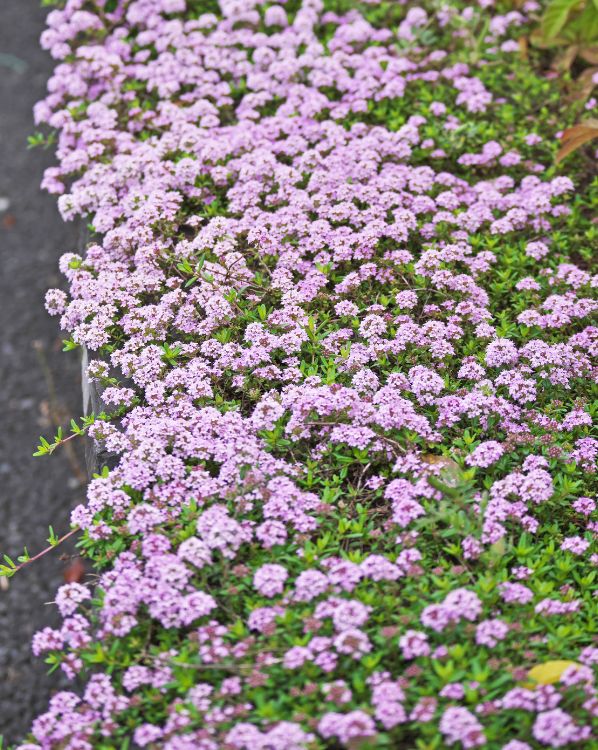
Creeping thyme is one of the most reliable ground covers for gardeners who want to fight weeds naturally. Unlike taller perennials, this plant spreads low and wide, creating a dense carpet that hugs the soil.
Its mat-like growth leaves very little room for unwanted weeds to poke through, and its fragrant foliage makes it as enjoyable as it is practical.
This hardy perennial is incredibly versatile. It thrives in sunny spots, but it can also handle partial shade, especially in hot climates. Its small leaves form thick clusters, and as the plant spreads, it naturally blocks sunlight from reaching weed seeds beneath the soil. Without light, most weeds fail to germinate, saving you hours of weeding.
Creeping thyme is also drought-tolerant, which makes it a great choice for difficult areas where weeds often take advantage of bare ground.
Once established, it requires little care beyond occasional trimming to keep it tidy. Even during dry spells, it continues to thrive while weeds struggle to compete in the same conditions.
One of the plant’s most charming qualities is its summer bloom. Tiny pink or purple flowers cover the mat, attracting bees and butterflies to your garden. These blooms not only add beauty but also bring biodiversity, which supports the health of your entire garden.
Another benefit of creeping thyme is its durability. It can handle light foot traffic, making it perfect for planting between stepping stones, along pathways, or in areas where grass struggles to grow. Each step releases its pleasant fragrance, giving your garden an extra sensory delight.
By planting creeping thyme, you achieve more than just weed suppression. You gain a low-maintenance, drought-tolerant, and pollinator-friendly ground cover that looks good year-round. It transforms empty spaces into living carpets and gives you more time to enjoy your garden instead of constantly battling weeds.
Hostas
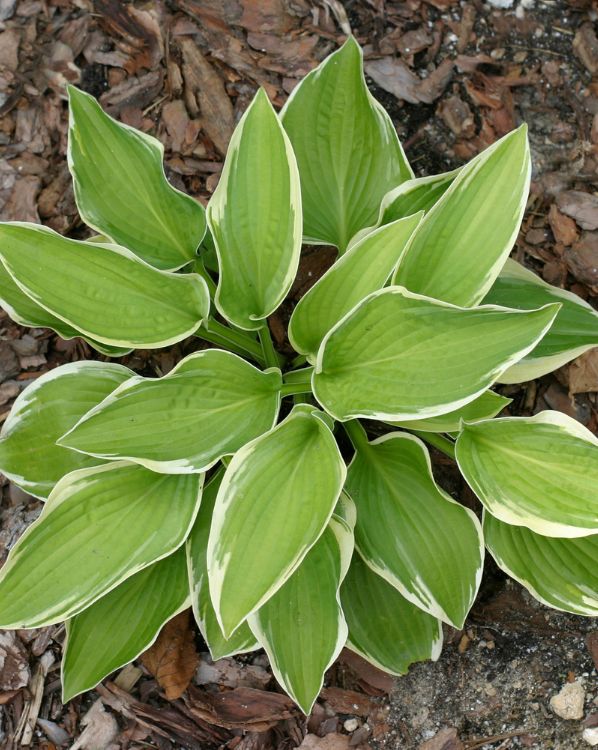
Hostas are often called the workhorses of the shade garden, and for good reason.
Their large, leafy clumps spread wide and thick, creating a canopy that weeds find nearly impossible to penetrate. Where bare soil might invite unwanted growth, hostas fill the gaps with lush foliage, shading the ground and starving weeds of sunlight.
These perennials are especially effective in shaded areas where grass and other plants may struggle.
Instead of allowing weeds to take over dim corners of the yard, you can fill the space with hostas of different sizes, shapes, and colors. Their broad leaves layer beautifully, forming dense clusters that serve as a natural barrier against weeds.
Another reason hostas are excellent weed fighters is their ability to spread gradually over time. Mature clumps can grow several feet wide, ensuring that very little soil remains exposed. Once established, they leave no room for opportunistic plants to sneak in.
Hostas are also incredibly adaptable. They thrive in a variety of soil types as long as the ground is well-drained. Adding mulch around their base helps retain moisture and further reduces the chance of weeds gaining a foothold. With minimal care, they return year after year, bigger and better than before.
In addition to their practicality, hostas bring aesthetic value to the garden. Their leaves come in shades of green, blue, and even variegated patterns.
Some varieties are small and compact, while others form dramatic, towering clumps. This variety allows you to design a weed-suppressing garden that is also visually stunning.
While hostas are best known for their foliage, they also send up tall flower stalks in summer. These blooms attract hummingbirds and pollinators, giving the plant added ecological value. The combination of beauty, weed suppression, and wildlife support makes them a top choice for gardeners.
By planting hostas, you turn shady spaces into lush, low-maintenance areas where weeds cannot thrive. They are dependable, attractive, and long-lived, offering both form and function in one hardy perennial.
Daylilies
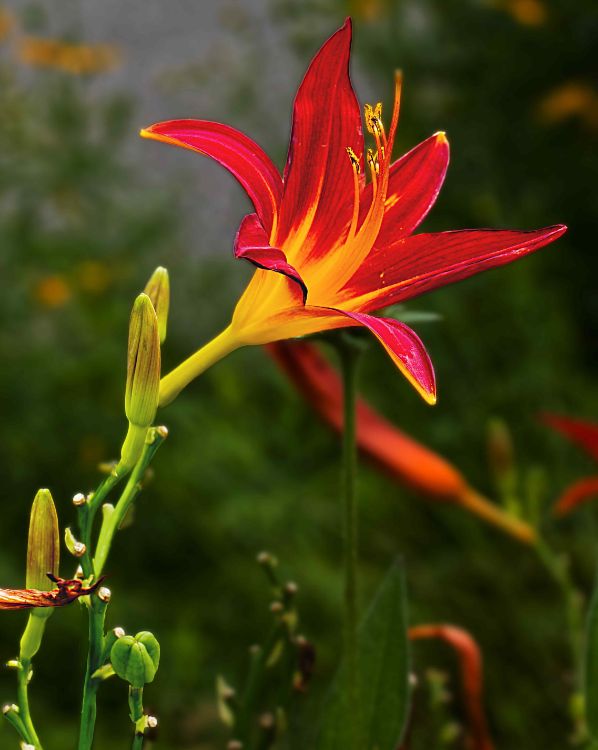
Daylilies are often praised for their colorful blooms, but they are also outstanding for keeping weeds under control. Their growth habit makes them natural weed suppressors.
Thick, arching leaves spill out in every direction, covering soil surfaces and preventing sunlight from reaching weed seeds. When weeds cannot get the light they need, they rarely succeed in sprouting.
One of the best things about daylilies is how easily they adapt. They thrive in full sun but can also tolerate partial shade. They grow in a wide range of soil conditions, from sandy soil to heavier clay.
Once established, their deep root systems make them drought resistant, which allows them to hold strong even in areas where weeds would normally take advantage of weakened plants.
Daylilies spread through clumping roots called rhizomes. Over time, these clumps expand and knit together, forming dense mats of foliage.
In garden beds, this spreading habit creates a living shield that weeds struggle to invade. Unlike some aggressive ground covers, daylilies are easy to manage and can be divided every few years to refresh the bed or share with other gardeners.
Another benefit is their long blooming season. While each flower lasts only a single day, new buds open continuously for weeks. During this time, the plants maintain a lush appearance that adds beauty while still functioning as a barrier against unwanted growth.
With hybrids available in nearly every color, from bright yellows to deep purples, daylilies give you plenty of choices for design.
Because they return reliably year after year, daylilies are a low-maintenance solution for weed suppression. With little more than occasional watering during dry spells and a refresh of mulch in fall, they thrive with minimal attention.
By filling open spaces with daylilies, you enjoy vibrant color, long-lasting foliage, and a natural defense against weeds. Their balance of beauty and practicality makes them one of the most dependable perennials for both new and experienced gardeners.
Black-Eyed Susans
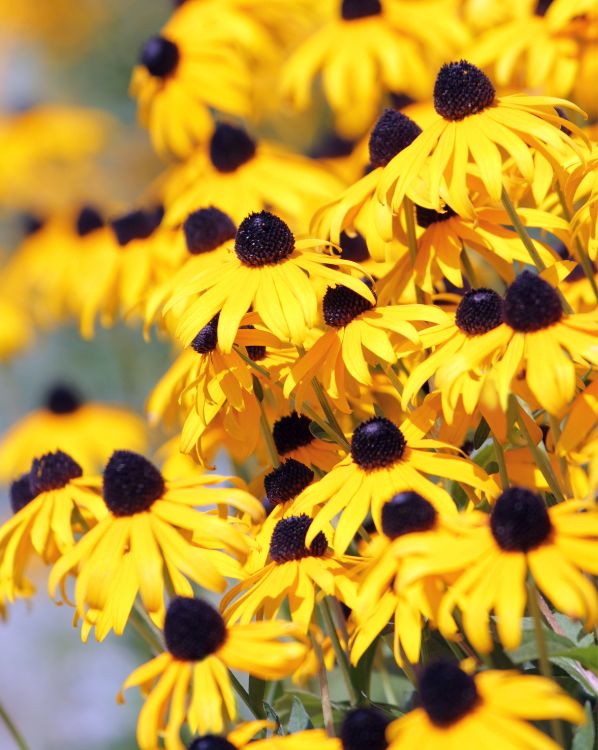
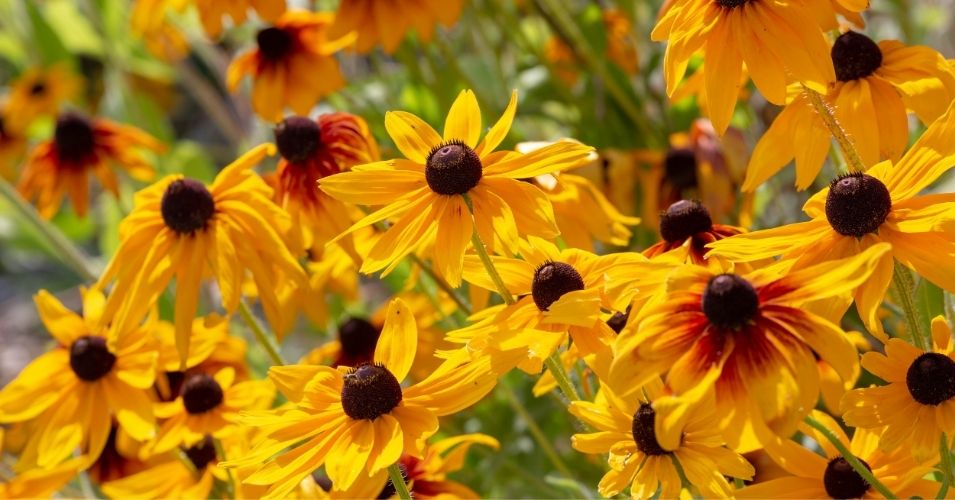
Black-eyed Susans are iconic garden flowers known for their golden petals and dark centers, but their usefulness extends far beyond their beauty.
These hardy perennials are also highly effective at keeping weeds away. Their growth habit is vigorous, with dense clumps of stems and leaves that quickly fill empty spaces in a garden bed.
Weeds thrive on bare soil and open patches of ground. Black-eyed Susans solve this problem by spreading steadily, covering the soil with leafy growth.
As the plants expand, they block sunlight from reaching weed seeds, which prevents germination. In addition, their roots compete strongly for nutrients and water, making it harder for invasive plants to get established.
Another advantage is their adaptability. Black-eyed Susans tolerate a wide range of conditions, from poor soils to hot summers. They thrive in full sun but can also manage in light shade. This resilience allows them to grow in areas where other plants might struggle, ensuring that weeds do not get a foothold.
In addition to practical weed suppression, Black-eyed Susans provide months of color. Their blooms typically last from midsummer into fall, brightening the garden with cheerful yellow and orange shades. These long-lasting flowers attract bees, butterflies, and other pollinators, turning your weed-fighting perennials into an ecological hub.
Because they self-seed, Black-eyed Susans are capable of expanding their coverage without much help from you. While this trait may require occasional thinning, it also means your garden becomes more weed resistant over time. They are easy to divide and replant as well, so you can spread their benefits to other parts of your yard.
Low-maintenance and tough, Black-eyed Susans thrive in many environments with little care beyond occasional watering and deadheading.
By planting them, you create a natural defense against weeds while adding charm and vibrancy to your landscape. Few perennials strike such a perfect balance between practical use and visual appeal.
Coneflowers
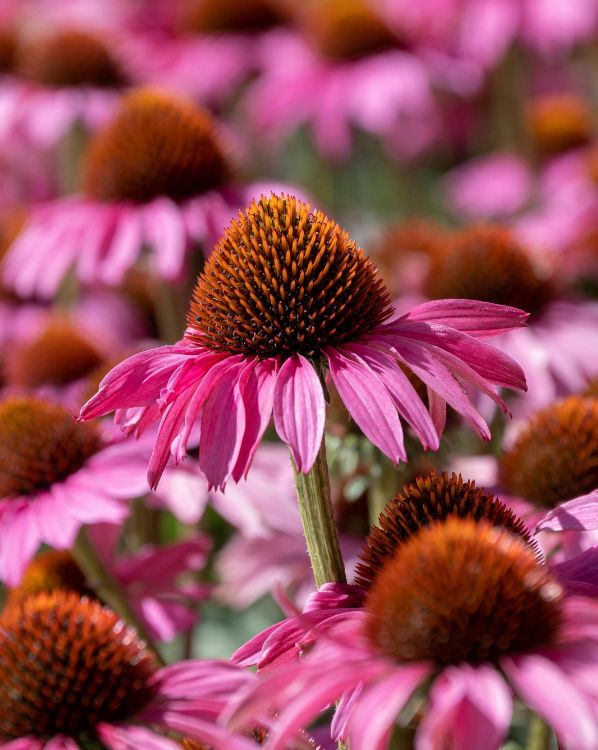
Coneflowers, also known as echinacea, are bold and resilient perennials that bring both beauty and practicality to the garden.
Their tall stems and broad petals are eye-catching, but what makes them especially valuable is their ability to reduce weed problems. Once established, coneflowers grow in clumps that gradually expand, covering ground space and crowding out unwanted plants.
The foliage of coneflowers forms a dense base around the stems. This leafy growth shades the soil and makes it harder for weed seeds to sprout.
At the same time, their strong root systems reach deep into the ground, claiming nutrients and water before weeds can. This double strategy of shading above and competing below makes coneflowers excellent partners in a low-maintenance garden.
One of their strongest advantages is adaptability. Coneflowers tolerate drought, heat, and poor soil better than many ornamentals. Where weeds might normally thrive in tough conditions, coneflowers step in to dominate the space. Their persistence ensures that your garden remains filled with purposeful plants rather than invasive weeds.
Coneflowers also reward you with a long season of blooms. From midsummer through fall, their daisy-like flowers in shades of purple, pink, and white bring continuous color.
Pollinators such as bees and butterflies flock to them, while birds enjoy the seeds once the blooms fade. Even in winter, the dried seed heads add structure and interest to the garden.
These perennials are not only hardy but also easy to multiply. Every few years, you can divide mature clumps and replant them in other areas. This helps create larger weed-resistant zones across your landscape without needing to buy new plants.
Coneflowers combine toughness, beauty, and weed suppression in one reliable package.
By planting them, you not only reduce maintenance but also enrich your garden with color, wildlife activity, and year-round visual appeal. They are proof that practical gardening choices can also be strikingly beautiful.
Final Thoughts
Weeds are one of the biggest frustrations for gardeners, but planting the right perennials turns the fight in your favor.
Creeping thyme, hostas, daylilies, Black-eyed Susans, and coneflowers all bring unique strengths to the garden while making it harder for weeds to gain ground.
Each of these plants fills space in its own way, whether by shading, spreading, or forming dense clumps. Together, they create a living mulch that works season after season without the constant effort of pulling weeds.
By choosing these perennials, you design a garden that is both functional and beautiful, where weeds take a back seat and your plants do the work of protection naturally.