
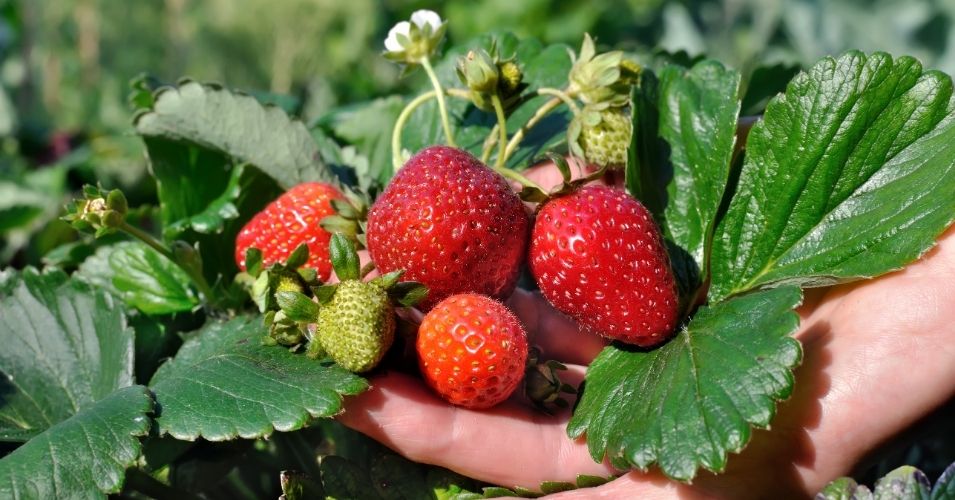
Strawberries are one of the most exciting fruits to grow in a home garden. After a long winter, their small green leaves and delicate white flowers signal that sweeter days are ahead.
Spring is the season when these plants wake up, rebuild their strength, and prepare to produce juicy, flavorful berries. With the proper care during these early months, strawberry plants can become healthier, more productive, and easier to manage.
In this guide, you will learn simple and practical ways to care for strawberries in spring. These tips will help you avoid common mistakes and build confidence as a grower.
How to Help Strawberry Plants Recover After Winter
When winter ends, strawberry plants slowly begin to wake from dormancy. Their leaves may look dull, flattened, or damaged from cold temperatures. This early stage is essential because gentle care now helps restore strength and energy for the growing season.
Begin by removing old mulch, dead leaves, and dried stems from around each plant. These materials can trap moisture and hide pests. Clearing them allows sunlight and air to reach the crowns, which encourages fresh growth.
Work carefully around the base of each plant. Strawberry crowns sit close to the soil surface and are easily damaged. Use your hands or small garden tools rather than large equipment.
After cleaning, inspect each plant closely. Healthy crowns should feel firm and look green or light brown. If you notice soft, dark, or moldy areas, trim them away with clean scissors to prevent spread.
Spring weather often changes quickly. Cool nights and warm days can stress plants. If frost is predicted, cover plants with fabric, straw, or row covers. Remove coverings during the day so plants receive sunlight.
Water lightly at first. Soil should be moist but never soggy. Overwatering at this stage can cause root problems. Check for moisture with your finger before adding water.
If plants look weak or pale, avoid rushing to fertilize immediately. Give them time to restart natural growth. Leaves should begin appearing within a few weeks under good conditions.
Spacing also matters in early spring. Remove overcrowded runners or weak plants so stronger ones have room to expand. Good airflow reduces disease and improves leaf health.
Take time to observe changes each week. New leaves, upright stems, and deeper color all signal recovery.
By offering gentle cleanup, protection, and patience, you help strawberry plants rebuild their strength. This careful beginning creates the foundation for healthy flowering and fruit production later in spring.
Prepare the Soil for Strong Roots and Growth
Healthy soil is the backbone of productive strawberry plants. In spring, your main goal is to refresh the growing area, so roots receive enough air, nutrients, and moisture. Strong soil supports both early growth and later fruit development.
Start by loosening the top layer of soil once it is dry enough to work. Use a hand fork or small shovel to break up compacted areas. Avoid digging too deeply, since strawberry roots grow close to the surface.
Remove stones, old roots, and leftover debris. These materials block root movement and interfere with water flow. Clean soil allows plants to spread naturally.
Add organic matter next. Compost is one of the best options because it improves structure and provides slow-release nutrients. Spread two to three inches over the bed, then gently mix it into the top layer.
Well-aged manure can also be used if available. Make sure it is fully decomposed. Fresh manure may burn roots and introduce harmful bacteria.
Check drainage after preparing the soil. Water should soak in within a few hours. If puddles remain, mix in sand or additional compost to improve airflow.
Strawberries prefer slightly acidic soil. If your soil is very acidic or alkaline, consider testing it. Garden centers offer simple test kits. Adjustments should be minor and gradual.
Avoid stepping on prepared beds. Compacted soil limits oxygen and restricts root growth. Use designated paths to protect planting areas.
Mulching after soil preparation helps maintain structure. Straw, shredded leaves, or pine needles work well. Apply mulch once the soil has warmed.
Revisit soil quality each spring. Regular small improvements prevent major problems later.
When roots grow in loose, nutrient-rich soil, plants develop stronger stems and healthier leaves. This foundation supports steady growth and better berry production throughout the season.
Water and Nutrition for Bigger Better Berries
Water and nutrients play a significant role in how many strawberries your plants produce and how sweet those berries become. During spring, plants allocate energy to leaf growth, flowering, and fruit formation. Proper support during this period leads to larger harvests and better flavor.
Begin with consistent watering. Strawberry roots are shallow and dry out quickly. They need steady moisture, especially as temperatures rise. Aim to keep the soil evenly moist without becoming soggy.
Morning is the best time to water. Leaves dry faster in daylight, which reduces disease risk. Watering at the base of the plant also keeps moisture away from flowers and fruit.
Check the soil regularly by pushing your finger into the ground. If the top two inches feel dry, it is time to water. If it still feels damp, wait another day.
Mulch helps regulate moisture. Straw, pine needles, or shredded leaves reduce evaporation and prevent soil splashing onto fruit. Clean fruit stays healthier and tastes better.
Nutrition should be steady and balanced. Strawberries benefit from light feeding in early spring when new leaves appear. Use a fertilizer made for fruiting plants or an organic compost blend.
Nitrogen supports leafy growth, but too much can reduce flowering. Balanced formulas work best. Follow label instructions carefully and avoid overfeeding.
Liquid fertilizers or compost teas can give gentle support during peak growth. Apply them every three to four weeks if plants appear healthy and active. Always water lightly before feeding. Moist soil spreads nutrients evenly and protects roots from burn.
Watch for signs of nutrient problems. Yellow leaves may signal nitrogen deficiency. Weak flowering may indicate low phosphorus. Make adjustments slowly.
When water and nutrients are managed carefully, plants grow sturdy stems, strong flowers, and juicy fruit. This balance is the secret to reliable spring harvests.
Protect Blossoms and Leaves From Spring Threats
Spring brings fresh growth, but it also brings new risks. Blossoms and young leaves are especially sensitive during this season. Protecting them early helps prevent lost harvests and long-term damage.
Late frosts are one of the biggest threats. Even light freezing temperatures can damage strawberry flowers. When cold nights are predicted, cover plants with fabric, straw, or frost blankets. Remove covers during the day so sunlight can reach leaves.
Strong winds may tear delicate stems and dry out the soil. Wind barriers, garden fencing, or nearby shrubs can reduce damage in exposed areas.
Insects become active as temperatures rise. Aphids, slugs, and spider mites are common spring pests. These insects weaken plants by feeding on sap and soft tissue.
Inspect leaves and flower stems regularly. Look under leaves and near the crown where pests often hide. Early detection allows simple treatment.
Small infestations can be controlled with water sprays or insecticidal soap. Avoid harsh chemicals that may harm pollinators and beneficial insects.
Fungal diseases also appear in cool, damp conditions. Powdery mildew and leaf spot are common examples. Good airflow and proper spacing reduce these risks.
Remove any diseased or badly damaged leaves immediately. Do not compost them. Dispose of them away from the garden.
Avoid overhead watering when possible. Wet leaves encourage fungal growth. Soil-level watering keeps plants drier and healthier.
Healthy plants resist threats better than weak ones. Proper watering, feeding, and spacing strengthen natural defenses.
By protecting blossoms and leaves, you preserve the heart of your strawberry crop. These efforts ensure that flowers turn into fruit and leaves continue powering growth.
Support Steady Growth Through the Spring Season
As spring moves forward, strawberry plants settle into a rhythm of steady growth and flowering. This period connects early preparation with the final stage of fruit development. Careful attention now helps plants remain productive and balanced.
Consistency becomes the most important habit. Sudden changes in watering, feeding, or placement can slow development. Try to keep routines stable, so roots and leaves adjust naturally.
Light exposure plays a significant role. Strawberries prefer full sun, ideally six to eight hours each day. If nearby plants or structures create shade, consider repositioning containers or trimming back obstacles.
Continue rotating container-grown plants when possible. Even exposure prevents leaning and promotes even flowering across the plant.
Runners often begin forming in late spring. While runners are a natural part of strawberry growth, too many can drain energy from fruit production. Remove excess runners unless you plan to use them for propagation.
Monitor spacing between plants. Crowded beds reduce airflow and increase the risk of disease. Thin out weak or poorly placed plants when needed.
Keep mulch refreshed as it breaks down. Replacing thin areas helps maintain moisture levels and keeps developing fruit clean.
Observe leaf color and structure. Healthy leaves are deep green and upright. Pale or drooping leaves often signal a water or nutrient imbalance.
Weed control remains important throughout spring. Weeds compete for nutrients and create hiding places for pests. Remove them regularly before roots become established.
Avoid disturbing roots during this stage. Digging or heavy cultivation can interrupt water and nutrient flow. Gentle surface care is best.
Take notes on growth patterns and flowering times. These observations help improve future care and planting decisions.
By maintaining steady routines and responding to subtle changes, you guide your strawberry plants through their most productive spring phase. This support leads to more vigorous plants and better harvests.
Final Thoughts
Caring for strawberries in spring is about building strong habits that support long-term success. Each stage, from winter recovery to steady growth, contributes to healthy plants and abundant fruit.
Small actions such as consistent watering, careful feeding, and regular observation make a meaningful difference. These routines prevent many common problems before they begin.
With patience and thoughtful attention, your strawberry patch can become one of the most reliable and rewarding parts of your garden year after year.