
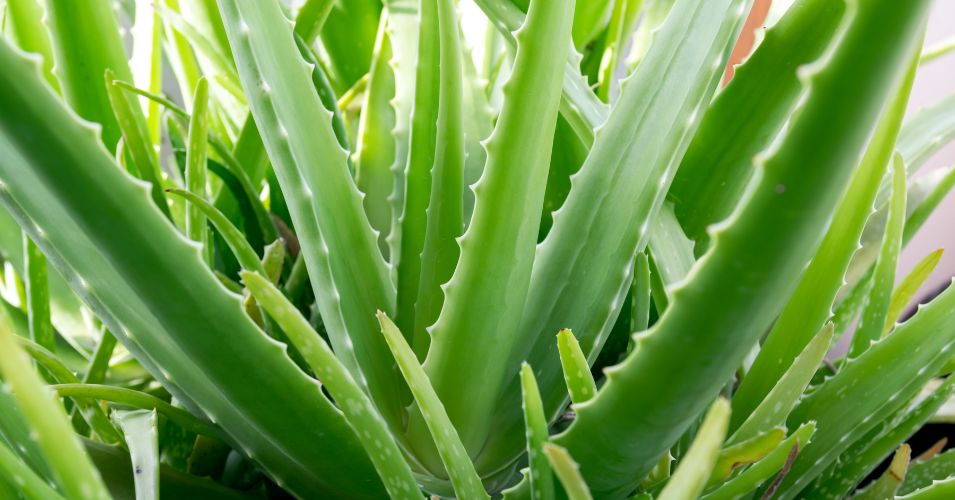
Aloe vera is one of the most loved plants in the world, and summer is when it truly shows its personality.
Its thick green leaves store water, helping it survive in hot and dry conditions, but that does not mean it thrives without care. Many people assume aloe is indestructible, only to find it struggling under intense sunlight or improper watering.
With the right approach, your plant can stay healthy, vibrant, and even grow faster during the warmer months.
This guide will walk you through everything you need to know to keep your aloe vera happy all summer long.
Find the Perfect Spot for Summer Sun
Aloe vera enjoys bright conditions, but summer sunlight can be intense enough to cause damage if you are not careful. The goal is to give your plant plenty of light while avoiding harsh exposure that can scorch its leaves.
A sunny windowsill is often the best indoor location. South or west-facing windows tend to provide the strongest light, which aloe needs to stay compact and healthy.
If the sunlight feels too strong during midday, you can soften it with a thin curtain to prevent leaf burn.
Moving your aloe outside can boost its growth, but this transition should be slow. Start by placing it in a spot with partial shade, such as under a patio cover or near other plants that provide light filtering.
Over the course of a week or two, gradually increase its exposure to direct sun so the leaves can adjust without stress.
Watch the plant closely as it settles into its summer position. Leaves that turn slightly reddish or develop pale spots are often signs that the light is too strong.
On the other hand, long stretched leaves may mean your aloe needs more light. Finding the right balance is key, and once you do, your plant will reward you with steady growth and firm, healthy leaves.
Aloe Vera Water Needs in Hot Weather
Summer heat affects how quickly soil dries out, which directly affects how often you should water your aloe vera. While aloe is drought-tolerant, it still needs consistent care to stay healthy as temperatures rise.
Instead of following a strict watering schedule, focus on the soil. Let it dry out completely between waterings, then give the plant a deep soak.
This approach mimics the natural conditions aloe prefers, where heavy rain is followed by dry periods.
During very hot weeks, you may notice the soil drying faster than usual. This might mean watering slightly more often, but always check the soil first.
Overwatering is still the most common mistake, even in summer, and it can lead to root rot if the roots sit in damp conditions for too long.
When you water, do it thoroughly. Pour water until it drains out of the bottom of the pot, ensuring the roots receive enough moisture. Then allow excess water to escape completely, since aloe does not like sitting in a tray of water.
The leaves themselves can also tell you a story. Firm and plump leaves usually mean your watering routine is working well. If they start to feel thin or slightly wrinkled, your plant may need more water.
Learning to read these subtle signals will help you adjust your care and keep your aloe thriving throughout the summer.
Choose Soil and Pots That Keep Roots Happy
Aloe vera may look tough on the outside, but its roots are surprisingly sensitive to the wrong environment.
The right soil-and-pot combination plays a huge role in keeping your plant healthy, especially during the heat of summer, when moisture levels can change quickly.
The most important feature of good soil is drainage. Aloe does not like to sit in wet conditions, so regular garden soil is often too dense.
A cactus or succulent mix is a much better choice because it allows water to pass through easily while still holding just enough moisture for the roots to absorb. If you prefer to mix your own soil, combining potting soil with sand or perlite can create a similar effect.
The pot itself matters just as much as the soil. Containers with drainage holes are essential because they allow excess water to escape. Without proper drainage, even the best soil can become waterlogged, which puts your aloe at risk of root rot.
Clay or terracotta pots are often recommended because they help wick moisture away from the soil, keeping things drier and more balanced.
Size is another factor to think about. A pot that is too large can hold more moisture than the plant needs, while one that is too small may limit root growth. Aim for a container that gives the roots a little room to expand without overwhelming them.
When everything works together, well-draining soil, a breathable pot, and proper sizing, your aloe will have a stable foundation. This setup makes it much easier to manage watering and helps your plant stay strong throughout the summer months.
Prevent Heat Stress and Common Summer Problems
Summer brings growth, but it also introduces challenges that can catch plant owners off guard. Aloe vera is built for warm climates, yet extreme heat and strong sunlight can still cause stress if conditions become too intense.
One of the first signs of heat stress is a change in leaf color. Leaves may turn reddish, brown, or even slightly translucent when exposed to too much direct sun.
This is your plant’s way of protecting itself. Moving it to a spot with filtered light can help it recover before lasting damage occurs.
Dry air and high temperatures can also speed up moisture loss. Even though aloe stores water in its leaves, prolonged heat can cause them to become thinner or slightly wrinkled.
Adjusting your watering routine while still allowing the soil to dry out can help maintain the right balance.
Pests are another issue that sometimes appear during summer. Warm conditions can attract insects such as mealybugs and spider mites.
These pests often hide near the base of the leaves or in tight spaces. Checking your plant regularly makes it easier to catch problems early and treat them before they spread.
Airflow is often overlooked, but it can make a big difference. A well-ventilated space helps regulate temperature and reduces the risk of fungal issues. Whether your aloe is indoors or outside, keeping it in a spot with gentle air movement can improve its overall health.
By staying alert and making small adjustments when needed, you can protect your aloe from common summer problems and keep it looking its best.
Encourage Growth and Long-Term Health
Helping your aloe vera grow well is not about constant attention but about providing the right conditions and stepping in when needed.
Summer is a great time to support healthy growth, as plants are naturally more active during warmer months.
Light remains one of the biggest factors in encouraging steady development. When your aloe gets enough brightness, it tends to grow compact with thick leaves. If the light is too weak, the plant may stretch and lose its strong shape. Keeping it in a well-lit spot allows it to use energy efficiently and support new growth.
Feeding your aloe is something that should be done with care. It does not need much fertilizer, but a light feeding once during the summer can give it a small boost. A diluted succulent fertilizer works best, as too much can overwhelm the plant and damage the roots.
Repotting is another way to support long-term health. If your aloe has outgrown its container or the soil has become compacted, moving it into fresh soil can improve drainage and root space. This is best done during the growing season when the plant can recover more easily.
You may also notice small offshoots, often called pups, growing near the base. These can be separated and replanted if you want to grow new plants. Leaving them attached is also fine and can create a fuller-looking pot over time.
Consistency is what ties everything together. When your aloe has stable light, proper watering, and the right soil, it can grow at its own pace without stress.
Over time, these small efforts build a strong, resilient plant that continues to thrive beyond just one summer.
Final Thoughts
Caring for aloe vera in summer does not have to be complicated. Once you understand what the plant prefers, it becomes much easier to meet its needs without overthinking every step.
Focus on balance rather than perfection. Give it bright light, allow the soil to dry between watering, and make sure excess moisture can drain away. Pay attention to how the leaves look and feel, since they often reveal what the plant needs.
With a bit of observation and patience, your aloe can stay healthy and even flourish during the hottest months.