
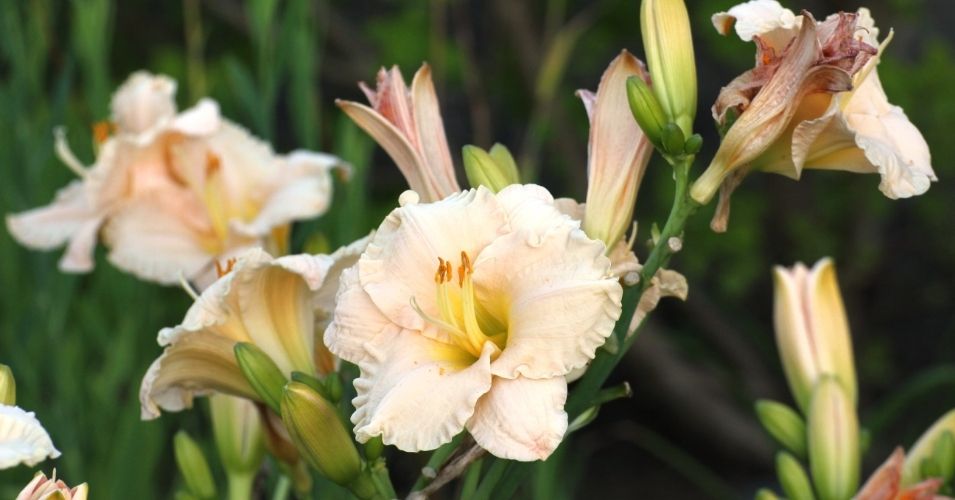
Caring for daylilies in summer can feel both simple and surprisingly rewarding.
These hardy plants are known for their bright blooms and resilience, yet they still benefit from thoughtful attention during the hottest months. When the sun is strong and the soil dries faster, your daylilies rely on consistent care to stay vibrant and healthy.
With a few easy habits, you can help your flowers thrive, extend their blooming season, and keep your garden looking fresh.
This guide will walk you through practical steps that make a real difference without making gardening feel complicated.
The Right Way to Water Daylilies
Water plays a huge role in how well your daylilies perform during summer. These plants are known for their toughness, but even the most resilient varieties need steady moisture when temperatures rise. The key is not just how much water you give, but how and when you give it.
A deep soak is far more helpful than a light sprinkle. When you water thoroughly, moisture reaches the roots where it matters most. Shallow watering only wets the surface and encourages weak root systems. Strong roots help the plant stay stable and continue blooming even during dry spells.
Early morning is the best time to water. The soil is cooler, and less water is lost to evaporation. This also allows leaves to dry quickly, which helps prevent disease. Watering late in the evening can leave foliage damp overnight, creating a perfect environment for unwanted issues.
Consistency matters more than perfection. Aim to keep the soil evenly moist without letting it become soggy. If the ground dries out completely, your daylilies may slow their blooming or produce smaller flowers. On the other hand, overly wet soil can stress the roots and lead to rot.
A simple way to check is by feeling the soil a few inches below the surface. If it feels dry at that depth, it is time to water again. If it still feels slightly damp, you can wait a bit longer.
Using a soaker hose or watering at the base of the plant is a smart approach. This directs water exactly where it is needed and avoids splashing the leaves. Over time, this habit supports healthier plants and reduces the chance of fungal problems.
How Soil Supports Strong Summer Growth
Healthy soil acts as the foundation for everything your daylilies do in summer. It is not just dirt that holds the plant in place. It is a living system that provides nutrients, holds moisture, and allows roots to breathe. When the soil is in good condition, your plants respond with stronger growth and brighter blooms.
Well-balanced soil drains properly while still holding enough moisture to keep roots hydrated. If water runs straight through too quickly, the plant may struggle to stay nourished. If the soil holds too much water, roots can become stressed, and oxygen levels drop. Finding that balance is key to steady growth.
Adding organic matter is one of the easiest ways to improve soil quality. Compost, for example, enriches the soil while also improving its texture. It helps sandy soil retain water and loosens heavy soil so roots can spread more easily. This creates a better environment for your daylilies to thrive.
Mulch also plays an important role in supporting soil health. A layer of mulch helps regulate temperature and slows down moisture loss. During hot days, this keeps the root zone cooler and more stable. It also reduces the need for frequent watering, which makes your routine easier.
Nutrients in the soil fuel the plant’s ability to grow and bloom. Daylilies are not overly demanding, but they still benefit from a steady supply of nutrients. A light feeding or nutrient-rich soil can make a noticeable difference in flower size and color.
Taking care of the soil is like investing in the long-term success of your garden. When the foundation is strong, everything above it becomes more vibrant and resilient.
How to Encourage More Blooms
Daylilies are known for their steady display of flowers, but a little extra care can turn a good season into a great one.
If you want more blooms, the goal is to keep the plant focused on producing flowers rather than diverting energy elsewhere. Small actions taken regularly can make a noticeable difference.
One of the simplest ways to encourage more blooms is to remove spent flowers. This process, often called deadheading, stops the plant from forming seeds. When seed production is reduced, the plant redirects its energy into creating new buds. It also keeps your garden looking tidy, which is a nice bonus.
Keeping up with this task every few days can extend the flowering period. It may seem minor, but over time it encourages a steady cycle of fresh blooms. You will likely notice more buds forming once the old flowers do not weigh the plant down.
Feeding your daylilies lightly during the growing season can also help. A balanced fertilizer applied in moderation gives the plant the nutrients it needs to support blooming. Too much fertilizer can lead to excessive leaf growth instead of flowers, so it is best to keep things simple and measured.
Sunlight plays a major role as well. Daylilies thrive in full sun, and without enough light, bloom production can slow down. Make sure nearby structures or taller plants are not shading your plants.
Spacing matters more than many people realize. When plants are crowded, they compete for light, water, and nutrients. Giving each clump enough room allows air to circulate and helps the plant focus on producing flowers rather than struggling for resources.
With consistent attention and a few easy habits, your daylilies can reward you with a longer and more vibrant blooming season.
Preventing Damage from Heat and Stress
Summer heat can be tough on any plant, even one as reliable as the daylily. High temperatures, intense sunlight, and dry conditions can all place stress on your plants.
The goal is to reduce that strain so your daylilies can continue growing without setbacks.
One of the most effective ways to protect your plants is by maintaining steady moisture in the soil. When the ground becomes too dry, the plant may start to wilt or pause its growth. Keeping the soil evenly moist helps the roots stay active and better able to support the plant during hot weather.
Mulch is especially helpful during this time. A layer spread around the base of the plant acts like insulation for the soil. It keeps temperatures more stable and slows down the loss of moisture. This simple step can make a big difference during long stretches of heat.
In very hot climates, some light shade during the peak of the afternoon can help prevent stress. While daylilies enjoy sunlight, extreme conditions can cause blooms to fade faster or leaves to show signs of strain. Even partial protection during the hottest hours can improve their overall condition.
Watch for signs that your plants are struggling. Leaves that look scorched or flowers that fade too quickly can signal that the plant needs extra care. Adjusting your watering routine or adding more mulch can often solve these issues before they become serious.
Avoid heavy pruning or dividing plants during extreme heat. These activities can add stress at a time when the plant is already working hard to cope with the environment. It is better to wait for cooler conditions before making major changes.
By paying attention to these details, you can help your daylilies handle summer with confidence and continue to bring color to your garden.
Simple Maintenance That Makes a Big Difference
Taking care of daylilies does not require complicated routines, but small and steady actions can have a lasting impact. Regular attention helps your plants stay healthy and keeps your garden looking well-cared-for throughout the summer.
One of the most helpful habits is keeping the area around your plants free of weeds. Weeds compete for water, nutrients, and sunlight, which can weaken your daylilies over time. Removing them by hand or with simple tools allows your plants to access the resources they need without competition.
Trimming away damaged or yellowing leaves is another easy step that supports plant health. When old or unhealthy foliage is removed, the plant can direct its energy toward new growth and blooming. It also improves airflow around the plant, which helps reduce the risk of disease.
Dividing mature clumps every few years can make a noticeable difference in performance. When daylilies become too crowded, they may produce fewer blooms. Lifting and separating the clumps gives each section more space to grow. This process also refreshes the plant and encourages stronger flowering in the following seasons.
Keeping an eye out for pests is important as well. While daylilies are generally hardy, insects can occasionally appear. Checking leaves and buds regularly allows you to catch any issues early. A quick response is usually enough to prevent damage from spreading.
It also helps to stay consistent with your care routine. Plants respond well to steady attention rather than occasional bursts of effort. Watering when needed, removing spent blooms, and checking soil conditions all work together to create a stable environment.
These simple practices may not take much time, but they build a strong foundation for healthy growth. Over the course of the season, they can transform the look and performance of your daylilies in a very noticeable way.
Final Thoughts
Caring for daylilies in summer comes down to steady habits and a bit of observation. When you provide the right amount of water, support the soil, and keep up with basic maintenance, your plants respond with vibrant blooms and healthy growth.
There is no need for complicated methods or strict routines. Simple actions done consistently can make your garden feel lively and full of color.
By paying attention to what your plants need and adjusting as conditions change, you can enjoy a long and rewarding blooming season that feels both easy and satisfying.