
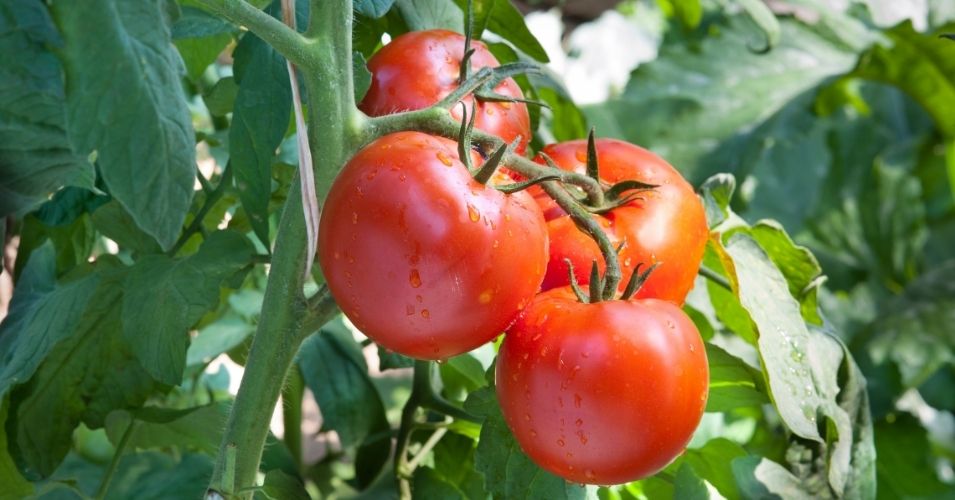
Tomatoes are one of the most rewarding crops to grow in a home garden, and spring is when their success truly begins.
As the weather warms and the soil wakes up from winter, tomato plants start a new season of growth that can lead to baskets full of bright, juicy fruit.
Taking the right steps in spring helps young plants grow strong roots, sturdy stems, and healthy leaves. A little attention during this early period can make the difference between struggling plants and a thriving harvest later in summer.
Preparing the Soil for Strong Tomato Growth
Healthy tomatoes begin with healthy soil. Many gardeners focus on watering and sunlight, but soil conditions play an even bigger role in how well tomato plants grow throughout the season.
Spring is the perfect time to refresh and prepare garden soil before planting. After months of winter cold, the soil can become compacted, low in nutrients, and slow to drain. Taking time to improve it gives tomato roots the environment they need to grow deep and strong.
Start by loosening the soil in the planting area. Use a garden fork or shovel to turn the soil about 8 to 12 inches deep. This helps break up compacted layers and allows roots to spread easily as the plant grows.
Next, mix organic matter into the soil. Compost is one of the best options because it improves soil structure and adds the nutrients tomatoes need. Well-rotted manure or aged leaf mold can also work very well.
Organic material helps soil hold moisture while still allowing excess water to drain away. Tomatoes prefer soil that stays evenly moist without becoming soggy.
Check the soil texture as you work. If it feels heavy and sticky, adding compost and coarse organic material will help improve drainage. If the soil feels sandy and dry, compost will help it retain water and nutrients.
Tomatoes also grow best in slightly acidic soil. A pH between about 6.0 and 6.8 is ideal. Many garden centers sell simple soil test kits that make it easy to check your soil before planting.
If the soil is too acidic, adding a small amount of garden lime can help balance it. If it is too alkaline, compost and organic matter often improve the balance over time.
Before planting, rake the soil surface smooth and remove any large rocks or debris. This creates a clean, even bed where young tomato plants can settle in comfortably.
Good soil preparation may take a little extra time in early spring. However, that effort often leads to stronger plants, fewer problems during the season, and a much better harvest once summer arrives.
Plant Tomatoes the Right Way in Spring
Once the soil is ready, it is time to plant your tomatoes. This stage is exciting because it marks the true beginning of the growing season.
Tomatoes should be planted after the danger of frost has passed and the soil has warmed. Cold soil slows root growth and can stress young plants. Waiting for mild spring temperatures gives tomatoes a much better start.
Before planting, examine your seedlings carefully. Look for plants with thick stems, healthy green leaves, and no signs of yellowing or damage. Strong seedlings usually adapt faster once they are moved into the garden.
One unique feature of tomato plants is their ability to grow roots along buried stems. This means tomatoes can be planted deeper than most other vegetables. Planting them deeply encourages stronger root systems and sturdier plants.
Dig a hole deep enough so that about two-thirds of the plant’s stem will be underground. You can gently remove the lower leaves before planting so they do not end up buried in the soil.
Place the seedling into the hole and carefully fill the soil around it. Press the soil lightly with your hands so the plant stands upright and stable.
Spacing is also important. Tomato plants need room for air circulation and sunlight. Most varieties grow well when spaced about 18 to 24 inches apart. Good spacing helps prevent disease and allows plants to grow without crowding each other.
After planting, water the soil thoroughly. This helps settle the soil around the roots and removes air pockets that could slow early growth.
Some gardeners like to add a small amount of starter fertilizer or compost into the planting hole. This can give young tomato plants an extra boost during the first weeks of growth.
Finally, consider adding mulch around the base of each plant. Straw, shredded leaves, or grass clippings help keep the soil moist and reduce weed growth.
With careful planting and a little early attention, tomato plants quickly begin to settle into their new home. Within a short time, you will see fresh leaves forming and the plants stretching upward toward the spring sunlight.
Watering and Feeding Young Tomato Plants
Once tomato plants are settled into the garden, proper watering becomes one of the most important parts of spring care. Young plants are still building their root systems, so they depend heavily on consistent soil moisture.
Tomatoes grow best when the soil stays evenly moist. Soil that dries out completely and then becomes soaked can stress the plant and slow its development. A steady watering routine helps plants grow stronger and produce healthier leaves.
It is usually better to water deeply rather than lightly. Deep watering encourages roots to grow downward into the soil where moisture stays longer. Shallow watering keeps roots near the surface, which can make plants more sensitive to heat and dry weather.
Early in the season, most tomato plants need watering a few times each week, depending on rainfall and temperature. Warm spring days may dry the soil faster, while cool or rainy periods may require less watering.
The best time to water tomatoes is in the morning. This allows moisture to soak into the soil before the heat of the day and gives leaves time to dry if they get wet. Dry leaves help reduce the risk of disease.
When watering, focus on the soil around the base of the plant rather than spraying the leaves. Water at the roots, where the plant can absorb it most efficiently.
Feeding young tomato plants is also important because tomatoes are considered heavy feeders. They need a steady supply of nutrients to support strong growth.
Adding compost to the soil during planting often provides many of the nutrients tomatoes need early in the season. As the plants grow, they may benefit from additional feeding.
A balanced garden fertilizer or tomato-specific fertilizer can help support healthy development. Many gardeners apply fertilizer every few weeks during the early growth stage.
Be careful not to overfeed. Too much fertilizer can cause tomato plants to produce lots of leaves but fewer flowers and fruits later in the season.
With steady watering and careful feeding, young tomato plants grow quickly during spring. Their stems thicken, their leaves spread wider, and the plants begin preparing for the flowering stage that will lead to summer harvests.
Support Plants as They Begin to Grow
As tomato plants grow taller in spring, they begin to need extra support. Without support, the stems may bend or break under their own weight, especially once fruit begins to develop.
Providing support early helps plants grow upright and keeps leaves and fruit off the ground.
Many gardeners choose to use tomato cages because they are simple and easy to install. A cage placed around a young plant allows the stems to grow upward while the metal frame provides structure.
Another popular option is staking. A strong wooden or metal stake can be driven into the soil beside the plant, and the stem can be loosely tied to it as it grows.
Staking works well for a wide variety of plants and keeps them growing in a neat vertical shape.
For larger gardens, some growers prefer a trellis system using string or wire. This method allows multiple plants to grow along a support line, saving space in the garden.
No matter which method you choose, it is best to install support early in the season.
Trying to add cages or stakes later can damage roots or break stems that have already grown larger.
As the plant grows taller, gently guide stems toward the support. Soft garden ties, cloth strips, or plant clips can be used to attach the stem without squeezing it too tightly. Leaving a little space allows the stem to continue thickening as the plant matures.
Supporting tomato plants also improves air circulation around the leaves. Good airflow reduces the risk of disease and allows sunlight to reach more parts of the plant.
It also makes harvesting easier later in the season because the fruits are more visible and easier to reach.
With proper support, tomato plants grow stronger and more organized throughout spring. By the time summer arrives, the plants are ready to carry the weight of a full tomato crop without collapsing under pressure.
Protect Tomato Plants from Early Season Problems
Spring is an exciting time for tomato growers, but it can also bring a few challenges. Young plants are still delicate, making them more vulnerable to weather changes, pests, and early diseases.
Paying attention during this stage can prevent small problems from becoming larger issues later in the season.
One of the most common early threats is unexpected cold weather. Even after the last frost date, temperatures can sometimes dip overnight. Young tomato plants do not tolerate cold well, and sudden chills can slow their growth.
If a cold night is expected, covering plants can provide helpful protection. Garden fabric, lightweight blankets, or simple plant covers can trap warmth and shield plants from the cold air.
Remove covers during the day so the plants can receive sunlight and fresh air.
Strong winds can also damage young tomato plants. Tender stems may bend or snap if the wind is too strong. Planting tomatoes near a fence, wall, or wind barrier can help protect them from harsh gusts.
Pests sometimes appear early in the season as well. Small insects such as aphids or flea beetles may begin feeding on young leaves. These pests rarely destroy plants overnight, but they can weaken them if left untreated.
Inspecting plants regularly helps catch pest problems early. If insects appear, gently spraying plants with water or using insecticidal soap can often control the issue.
Weeds are another early-season challenge. Weeds compete with tomato plants for water, nutrients, and sunlight. Keeping the area around tomato plants clear allows them to grow without unnecessary competition.
Adding mulch around the base of the plant can help prevent weed growth while also maintaining soil moisture.
By staying alert and responding quickly to early issues, gardeners can protect young tomato plants during the most vulnerable stage of their growth.
A little care in spring often leads to stronger plants and a much healthier harvest once the tomato season reaches its peak.
Final Thoughts
Caring for tomatoes in spring sets the foundation for a successful growing season. When gardeners focus on strong soil, proper planting, consistent watering, and early plant support, tomatoes are given the best possible start.
Protecting young plants from cold weather, pests, and weeds also helps them grow with fewer setbacks.
Spring care does not need to be complicated. Small, consistent actions often make the biggest difference.
With patience and attention during these early weeks, tomato plants grow stronger each day. By the time summer arrives, the garden will be filled with healthy plants that are ready to produce a rewarding harvest of fresh, flavorful tomatoes.