
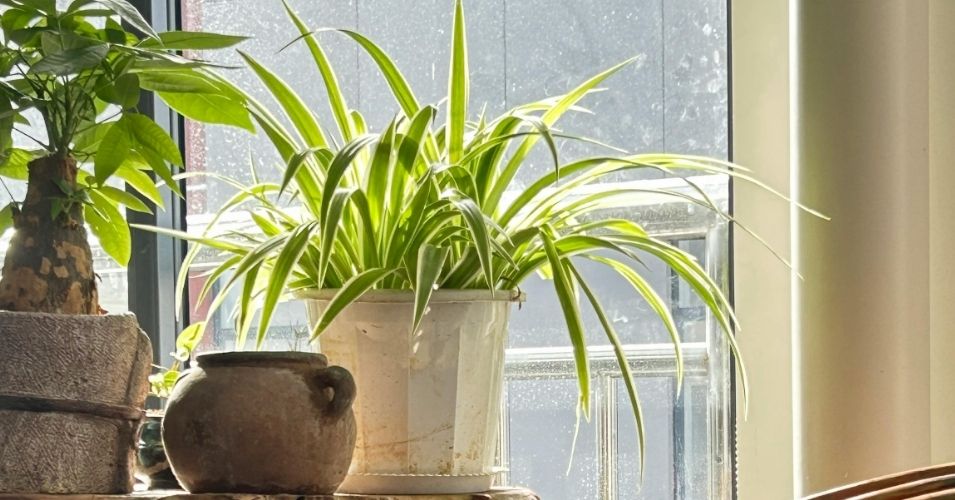
Spider plants are one of the easiest and most rewarding houseplants to grow, especially during the bright and lively summer months.
But summer also brings heat, dry air, and changing watering needs, which means your usual routine might need a few smart adjustments.
Learning how to care for your spider plant during this season can make the difference between a plant that survives and one that truly thrives.
In this guide, you will discover simple, practical ways to keep your spider plant healthy, vibrant, and full of life all summer long.
Find the Perfect Summer Light for Your Spider Plant
Spider plants enjoy bright conditions, but summer light can quickly become too intense if you are not careful. The trick is to strike a balance between giving enough light for growth and avoiding harsh exposure that can damage the leaves.
A spot with indirect sunlight is usually ideal. Windows that face east are especially helpful because they provide gentle morning light without the intense afternoon heat.
If your plant sits near a south or west-facing window, consider placing a thin curtain between the glass and the plant to soften the rays.
You can often tell how your plant feels by looking at its leaves. Leaves that fade in color or develop dry brown tips may be getting too much direct sun.
At the same time, a plant that looks dull or stops producing new shoots might not be receiving enough light. Small adjustments to its position can make a big difference over just a few days.
It can also help to rotate your spider plant every week or so. This allows all sides of the plant to receive equal light, which keeps the growth even and balanced. Without rotation, one side may become fuller while the other remains thin.
Finding the right light in summer is not about perfection. It is about observing your plant and responding to what it shows you. With a little attention, you can create a space where your spider plant grows lush, vibrant, and full of life.
Water Wisely When Temperatures Rise
As temperatures climb in summer, your spider plant will naturally use more water. Warmer air speeds up evaporation, and the plant itself becomes more active, which means it needs consistent moisture to stay healthy.
Even so, watering more often does not mean watering too much. Spider plants do not like soggy soil, and overwatering can lead to root problems that are difficult to fix. The best approach is to check the soil regularly rather than follow a strict schedule.
A simple way to do this is by touching the top layer of soil with your fingers. If it feels dry about an inch below the surface, it is time to water. If it still feels damp, it is better to wait a little longer. This small habit can prevent most watering mistakes.
When you do water, make sure to do it thoroughly. Allow water to flow through the pot and out of the drainage holes. This helps flush out excess salts and ensures the roots receive moisture evenly. Always empty the saucer afterward so the plant is not sitting in standing water.
During heatwaves, you might find yourself watering more frequently than usual. Pay attention to how quickly the soil dries out and adjust as needed. Smaller pots tend to dry faster, while larger ones hold moisture longer.
Keeping a steady watering routine during summer supports strong growth and helps your spider plant stay fresh and green. By staying attentive and flexible, you can meet your plant’s needs without overdoing it.
Keep Your Plant Cool and Comfortable
Summer warmth can help spider plants grow faster, but too much heat can stress them. These plants prefer moderate indoor temperatures, so keeping them comfortable during hot days is important for their overall health.
A room that feels pleasant to you will usually suit your spider plant as well. If the air starts to feel heavy or overly warm, your plant may begin to show signs of strain. Leaves can curl slightly or develop dry edges when the heat becomes too intense.
Good airflow can make a noticeable difference. Opening windows during cooler parts of the day or using a fan on a low setting helps keep the air moving. Still air combined with heat can create an environment that feels suffocating for your plant.
Be mindful of where your spider plant sits during the hottest hours. Window sills that receive strong afternoon sun can become much warmer than the rest of the room. Moving the plant a short distance away from the glass can help prevent overheating.
Humidity also plays a role in comfort. Summer air can sometimes be dry, especially indoors.
Light misting or placing a small tray of water near the plant can slightly increase humidity. This supports healthier leaves and reduces the chance of brown tips forming.
It is also wise to keep your plant away from sudden temperature changes. Air conditioning vents can blow cold air directly onto the leaves, which may cause stress. Aim for a stable environment where temperatures do not swing too quickly.
Creating a cool and steady space allows your spider plant to focus on growing rather than coping with stress. With a few simple adjustments, you can help it stay fresh and vibrant throughout the warmest months.
Feeding for Strong Growth and Healthy Leaves
Summer is a time of active growth for spider plants, which means they benefit from extra nutrients during this period. Feeding your plant can support fuller leaves, brighter color, and the development of new shoots.
A balanced liquid fertilizer works well for spider plants. It is best to use a diluted solution rather than a full-strength dose.
This gentle approach provides nutrients without overwhelming the roots. Feeding once every two to four weeks is usually enough during the growing season.
It helps to apply fertilizer after watering. Moist soil allows nutrients to spread more evenly and reduces the risk of root burn. Dry soil can absorb fertilizer too quickly, which may harm the plant rather than help it.
You might notice signs that your plant needs feeding. Slow growth, pale leaves, or a lack of new offshoots can all suggest that nutrients are running low. Establishing a regular feeding routine can help the plant return to a healthier state over time.
At the same time, it is important not to overfeed. Too much fertilizer can cause salt buildup in the soil, which may lead to brown leaf tips or weak growth. Flushing the soil occasionally with clean water can help remove excess minerals.
Different environments may require slight adjustments. Plants in brighter light often grow faster and may need feeding more regularly. Those in lower light will use nutrients more slowly and require less frequent feeding.
Providing the right amount of nutrients during summer helps your spider plant reach its full potential. With consistent care and attention, you will see stronger growth and leaves that look lively and full of color.
Manage Pests and Encourage New Baby Plants
Summer brings growth, but it can also attract unwanted visitors. Spider plants are generally hardy, yet pests such as spider mites, aphids, and mealybugs may appear when conditions are warm and dry.
Catching these early makes a big difference in keeping your plant healthy.
Take a close look at the leaves every week or so. Tiny webs, sticky residue, or small moving dots can signal a pest problem. If you notice anything unusual, act quickly before it spreads. A gentle rinse under lukewarm water can remove many pests right away.
For more stubborn cases, wiping the leaves with a soft cloth and a mild soap solution can help. Be sure to clean both the tops and undersides of the leaves, since pests often hide out of sight. Keeping the plant clean reduces the chance of reinfestation.
Healthy plants are naturally more resistant to pests. Consistent watering, proper light, and good airflow all contribute to stronger growth, making plants less likely to be targeted by pests. Stress often invites problems, so balanced care is your first line of defense.
Along with managing pests, summer is the perfect time to enjoy one of the most fun parts of spider plant care. Baby plants, often called spiderettes, begin to form on long stems that arch away from the main plant. These small offshoots are a sign that your plant is thriving.
You can leave them attached for a fuller look, or propagate them to grow new plants. To do this, place the baby plant in water or soil while it is still connected, or snip it off and root it separately. Within a short time, it will begin to develop its own roots.
Encouraging these offshoots is simple. Bright light, regular feeding, and stable conditions all support their development. Watching them grow is both rewarding and a clear sign that your care routine is working well.
Final Thoughts
Caring for a spider plant in summer is all about paying attention and making small adjustments as conditions change. Light, water, temperature, and nutrients all work together to shape how your plant grows during this active season.
By observing your plant closely, you can respond to its needs before problems appear. Simple habits such as checking the soil, adjusting its position, and keeping the leaves clean go a long way.
With steady care, your spider plant will not just survive the summer. It will grow stronger, produce new shoots, and fill your space with fresh green energy that lasts well beyond the season.