
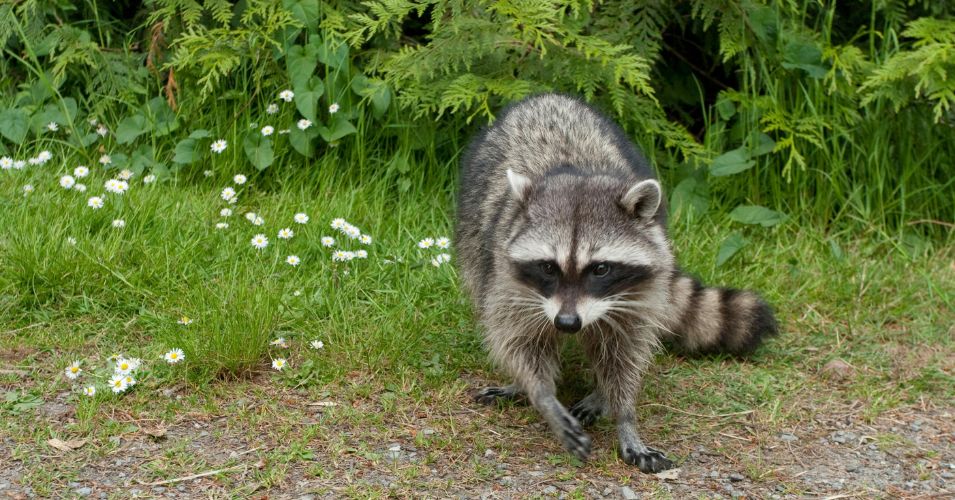
A quiet evening in your yard can suddenly feel very different when a raccoon appears out of nowhere, moving with confidence and curiosity. These clever animals are far more common than many people realize, especially in neighborhoods where food and shelter are easy to find.
While they may look harmless or even a little cute, raccoons can cause damage and create risks if you respond the wrong way. Knowing what to do in the moment can make all the difference between a calm encounter and a stressful situation.
This guide walks you through simple choices that help you stay safe while also respecting the animal’s natural behavior. With the right approach, you can handle the situation wisely without turning it into a problem.
Stay Calm and Give the Animal Space
The first thing you should do when you notice a raccoon in your yard is stay calm and avoid sudden movements. These animals are naturally cautious, and your reaction can either keep things peaceful or make the situation tense very quickly.
A raccoon is usually not interested in people, and most will keep their distance if you give them room. Standing still for a moment or slowly stepping back helps signal that you are not a threat.
Quick movements or loud reactions can confuse or scare the animal, causing it to act defensively. It is better to stay composed and let the raccoon decide to move on in its own time.
Keeping a safe distance is one of the simplest ways to avoid problems. This means not approaching the animal, even if it seems relaxed or curious about its surroundings.
Raccoons can carry diseases and may react unpredictably if they feel cornered. Giving them space protects both you and the animal from unnecessary stress or danger.
If the raccoon notices you, it might pause and observe before continuing on its path. This is normal behavior, and it does not mean the animal wants to interact with you.
You should avoid making eye contact for too long, as some animals interpret that as a challenge. Instead, glance away occasionally and keep your body language relaxed.
Allowing the raccoon a clear path to leave is also important. If it feels trapped, it may panic, so make sure no obstacles are blocking its exit.
In most cases, the raccoon will wander off once it realizes there is no easy food or reason to stay. Your calm response plays a big role in making sure that happens without any trouble.
Make Your Yard Less Appealing Right Away
Once the raccoon has been spotted, the next step is to remove anything that might be attracting it to your yard. Raccoons are resourceful animals that are always searching for easy meals and safe places to explore.
Trash cans are one of the biggest reasons raccoons visit residential areas. Securing lids tightly or using bins with locking mechanisms can make a huge difference right away.
Food left outside, even in small amounts, can draw raccoons back again and again. This includes pet food, fallen fruit, or scraps that may not seem important at first.
Cleaning up these items immediately helps send a clear message that your yard is not a reliable food source. Over time, this can discourage repeat visits from the same animal.
Outdoor spaces like decks, sheds, or porches can also provide shelter if left unchecked. Blocking off openings or gaps prevents raccoons from settling in or returning later.
If you have bird feeders, consider taking them down temporarily or placing them out of reach. Seeds that fall to the ground can attract raccoons just as much as a full feeder.
Keeping your yard tidy may seem simple, but it plays a major role in preventing wildlife from sticking around. The less appealing the space is, the less likely a raccoon will stay or come back.
Lighting can also help make your yard less inviting at night. Raccoons prefer darker areas, so turning on outdoor lights may encourage them to move along.
Taking these steps quickly after spotting a raccoon helps break the cycle before it turns into a regular habit. A clean and secure yard is one of the best ways to keep wildlife at a distance.
Use Safe Deterrents to Encourage It to Leave
Once you have created distance and removed obvious food sources, the next step is to encourage the raccoon to move on gently. Safe deterrents work best because they rely on making the environment uncomfortable rather than causing harm.
Noise is one of the simplest tools you can use in the moment. Clapping your hands, tapping a solid surface, or speaking in a firm voice can signal that the space is no longer quiet or safe.
The key is to stay at a distance while doing this so the raccoon does not feel cornered. A steady, calm approach is far more effective than sudden loud bursts that might startle it.
Light can also be very effective since raccoons prefer darker areas where they feel hidden. Turning on outdoor lights or using a flashlight from afar can make the yard less appealing right away.
Motion-activated lights are especially helpful if raccoons visit more than once. They create a sense of surprise that makes the area feel unpredictable and less comfortable over time.
Another option is to use gentle water deterrents, such as a hose set to a low spray. This should only be done from a safe distance and never in a way that traps or overwhelms the animal.
Strong smells can also discourage raccoons from staying in one place. Scents like vinegar or certain natural repellents can be placed around areas where the animal tends to linger.
Consistency is what makes deterrents work well over time. If the raccoon repeatedly finds your yard uncomfortable, it will likely choose a quieter and easier place to explore.
Using these methods helps guide the animal away without creating stress or danger. It is a simple way to take control of the situation while still respecting wildlife.
Avoid Direct Contact No Matter How Harmless It Seems
Even though raccoons can appear calm or curious, it is important never to attempt direct contact. Their behavior can change quickly, especially if they feel unsure or threatened.
Trying to approach or touch a raccoon puts you at unnecessary risk. These animals are wild, and they do not respond the same way as pets or familiar animals.
Raccoons can carry diseases that may be transmitted through bites or scratches. Keeping your distance is the easiest way to protect your health and avoid a situation that could escalate.
It is also important to keep children and pets away from the animal at all times. A curious pet or an excited child could unintentionally provoke a reaction.
Even feeding a raccoon by hand can create long-term problems. It teaches the animal to associate people with food, increasing the likelihood of future encounters.
If a raccoon does not move away when you expect it to, do not try to force the situation by getting closer. Instead, give it time and continue using safe methods from a distance.
Watching from indoors or from a secure spot is always the better choice. This allows you to observe without interfering or placing yourself in harm’s way.
Respecting the space of wild animals helps prevent conflict and keeps both sides safe. It also reinforces natural behavior, which is important for the animal’s survival.
In the end, avoiding direct contact is not about fear but about making smart decisions. A little distance goes a long way toward keeping the encounter simple and stress-free.
Do Not Feed or Try to Befriend It
It can be tempting to offer food when a raccoon shows up in your yard, especially if it appears calm or curious. Some people even feel a sense of connection in the moment, but feeding a wild animal almost always creates more problems than it solves.
Raccoons are quick learners, and once they find a reliable food source, they will keep coming back. What starts as a single visit can quickly become repeated visits that are harder to manage.
Feeding also encourages the animal to lose its natural fear of people. This may seem harmless at first, but it can lead to bolder behavior that puts both you and the raccoon at risk.
When a raccoon begins to associate humans with food, it may approach more closely or act aggressively if food is not provided. This shift in behavior can make future encounters unpredictable and stressful.
Trying to befriend a raccoon can also interfere with its ability to survive in the wild. Wild animals depend on their instincts, and changing those patterns can make life harder for them in the long run.
Even leaving food out without direct interaction can have the same effect. The scent alone can draw raccoons back and may even attract other wildlife to the area.
If multiple animals begin visiting, it can lead to competition, noise, and damage to your yard. What felt like a kind gesture can quickly become a difficult situation to control.
The best approach is to let raccoons remain wild and independent. This helps maintain a healthy balance while reducing the chances of ongoing problems.
Choosing not to feed or interact keeps boundaries clear and protects everyone involved. It is a simple decision that prevents bigger issues from developing later.
Final Thoughts
Seeing a raccoon in your yard can feel unexpected, but it does not have to turn into a stressful situation. Staying calm and giving the animal space helps keep the moment under control from the start.
Simple steps like removing food sources and using gentle deterrents make your yard less inviting. These actions encourage the raccoon to move on without causing harm or creating fear.
It also helps to remember that raccoons are just looking for food and shelter. When you avoid feeding or interacting, you allow them to stay independent and behave naturally.
In the end, clear boundaries make all the difference. A calm approach keeps you safe while helping the animal leave without trouble.