
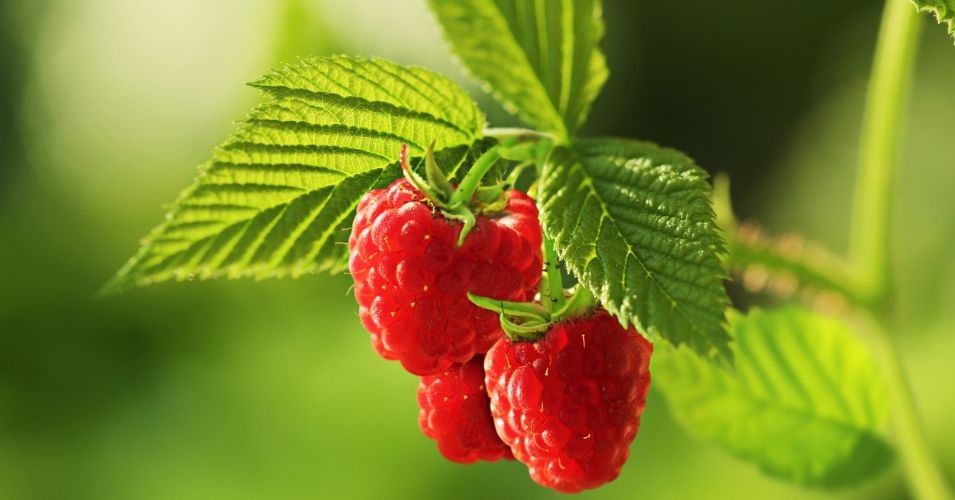
Raspberry plants feel like a little bit of magic in the garden. One day, you notice green leaves and small buds. Soon after, you are picking bright, sweet berries right off the cane.
Summer is when raspberries truly shine, but it is also when they need the most care. Heat, sun, and rapid growth can either boost your harvest or weaken your plants if they are not managed well.
Learning how to care for them during this season helps you enjoy bigger, healthier berries and stronger plants for years to come. Below are key areas to guide you in caring for summer raspberries.
What Raspberry Plants Need During Hot Summer Days
Raspberry plants respond quickly to changes in temperature, especially during the peak of summer. Warm days can accelerate growth, but excessive heat can also stress the plant if its basic needs are not met.
Sunlight plays a major role in fruit development. Raspberries do best when they receive plenty of direct light, ideally around six to eight hours each day. This level of exposure helps the berries develop their rich color and sweet flavor.
At the same time, extremely intense afternoon sun can sometimes be too harsh, especially in hotter regions, so a bit of light shade later in the day can help prevent leaf scorch.
Soil condition is just as important as sunlight. Raspberry plants prefer well-drained soil that still holds enough moisture to support steady growth. Dry, compact soil can limit root activity and slow down fruit production.
Adding organic matter like compost helps improve both drainage and moisture retention, which creates a more stable environment for the roots.
Air circulation often gets overlooked, but it matters more than many gardeners expect. When plants are crowded, heat and humidity can build up around the leaves. This creates the perfect conditions for disease. Keeping canes spaced out allows fresh air to move through the plant, which keeps leaves dry and reduces risk.
Mulch can make a big difference during hot spells. A layer of straw, wood chips, or grass clippings helps keep the soil cool and slows down moisture loss. This means the roots stay more comfortable even when the surface temperature rises.
When all of these elements come together, raspberry plants handle summer much better. They stay productive, maintain strong leaves, and continue to develop flavorful fruit without unnecessary stress.
How to Water for Healthy Growth and Full Berries
Watering raspberries in summer is not just about frequency. It is about consistency and depth. These plants rely on steady moisture to support both leaf growth and fruit development, and uneven watering can lead to disappointing results.
Raspberry roots sit fairly close to the surface, which makes them sensitive to drying out. During warm weather, the soil can lose moisture quickly, especially on sunny days. Deep watering two or three times a week is usually more effective than light daily watering. This encourages the roots to grow deeper and become more resilient.
The goal is to keep the soil evenly moist without turning it soggy. Overwatering can be just as harmful as underwatering because it limits oxygen in the soil and can lead to root problems. A simple way to check is to press your finger a few centimeters into the soil. If it feels dry at that depth, it is time to water.
Morning is the best time to water raspberry plants. This gives the leaves time to dry before evening, reducing the risk of disease. Watering later in the day can leave moisture on the foliage overnight, creating an environment where problems can develop.
It also helps to focus water at the base of the plant rather than over the leaves. This directs moisture straight to the roots where it is needed most. Drip irrigation or a slow hose works well for this purpose and reduces waste.
As berries begin to form, consistent watering becomes even more important. Lack of moisture at this stage can lead to smaller fruit or berries that lack sweetness. When plants receive the right amount of water, they reward you with plump, juicy raspberries that are full of flavor.
The Right Way to Feed Raspberries in Summer
Raspberry plants use a lot of energy during summer. They grow new canes, support leaves, and develop fruit all at the same time. Without the right nutrients, this process can slow down, and the berries may end up smaller or less flavorful.
Feeding raspberries starts with understanding what they need most. Nitrogen supports leafy growth, which is important early in the season. However, too much nitrogen later on can lead to lush leaves but fewer berries.
A balanced fertilizer, or one slightly higher in potassium, helps support fruit development without pushing too much leafy growth.
Timing matters as much as the type of fertilizer. Early summer is a good moment to give plants a boost as they enter their main growth phase.
After that, feeding should be lighter and more controlled. Overfeeding can cause rapid, weak growth that struggles in heat and becomes more vulnerable to problems.
Organic options work especially well for raspberries. Compost, well-rotted manure, or a natural berry fertilizer can provide steady nutrition over time.
These materials also improve soil structure, which helps roots absorb nutrients more effectively. A slow-release approach keeps the plant supplied without sudden spikes.
It is also helpful to observe the plant itself. Pale leaves, slow growth, or weak fruit production can signal nutrient deficiencies. On the other hand, very dark green leaves with little fruit may suggest too much nitrogen. Paying attention to these signs helps you adjust your approach.
Applying fertilizer around the base of the plant and lightly working it into the top layer of soil ensures that nutrients reach the roots. Watering after feeding helps move those nutrients into the soil where they can be absorbed.
With the right balance, raspberry plants stay strong and productive. They produce better fruit and maintain steady growth throughout the season.
How to Stop Pests and Diseases Before They Spread
Raspberry plants can attract a range of pests and diseases during summer, especially when conditions are warm and slightly humid. Acting early is the best way to avoid serious damage, and prevention often works better than trying to fix a problem later.
Regular inspection makes a big difference. Taking a close look at leaves, stems, and fruit allows you to spot early signs of trouble. Small holes, discoloration, or sticky residue can all point to pest activity. Catching these signs early gives you more control and reduces the chance of spread.
Clean growing conditions help limit many common issues. Fallen leaves, damaged fruit, and old plant material can become breeding grounds for pests and diseases. Removing this debris keeps the area around your plants healthier and less inviting to unwanted visitors.
Good spacing between plants also plays a key role. When air can move freely, leaves dry more quickly after rain or watering. This makes it harder for fungal problems to take hold. Crowded plants tend to trap moisture, which creates ideal conditions for disease.
Natural methods can often keep pests under control. Introducing beneficial insects, such as ladybugs, helps reduce aphid populations. A gentle spray of water can also remove small pests from leaves without harming the plant. For more persistent problems, mild organic treatments such as insecticidal soap can be effective.
It is important to act as soon as an issue appears. Waiting too long allows pests to multiply and diseases to spread across the plant. Removing affected leaves or canes early can prevent the problem from moving further.
Healthy plants are naturally more resistant to problems. When raspberries receive proper water, nutrients, and care, they are better able to defend themselves. A strong plant is less likely to suffer severe damage, even if pests or diseases appear.
When and How to Prune, Train, and Harvest
Raspberry plants can quickly become wild if they are left to grow without guidance. Summer is the perfect time to shape the plant, support its structure, and enjoy the reward of fresh berries. Knowing when and how to act makes a noticeable difference in both yield and plant health.
Pruning during summer focuses on removing what no longer serves the plant. Old canes that have already produced fruit often begin to decline. These should be cut back near the base once harvesting from them is complete. This allows the plant to direct its energy toward new canes that will produce in the next season.
At the same time, it helps to thin out crowded areas. When too many canes grow close together, they compete for light and air. Select the strongest canes and remove weaker ones to maintain a balanced structure. This improves airflow and reduces the chance of disease.
Training the canes keeps the plant organized and easier to manage. Tying canes to a trellis or support system helps them stay upright and prevents them from bending under the weight of fruit. It also makes harvesting much simpler since the berries are easier to see and reach.
Harvesting itself is one of the most enjoyable parts of summer care. Ripe raspberries should come off the plant easily with a gentle pull. If a berry resists, it is not quite ready. Picking regularly encourages the plant to keep producing and prevents overripe fruit from attracting pests.
It is best to harvest during the cooler parts of the day, such as early morning. Berries picked at this time tend to be firmer and hold their shape better. Gentle handling is important, as raspberries are delicate and can bruise easily.
With consistent pruning, proper support, and timely picking, raspberry plants stay productive and easier to care for throughout the season.
Final Thoughts
Caring for raspberry plants in summer comes down to balance. Each step supports the next, from proper light and soil to steady watering and thoughtful feeding. When these elements work together, the plants remain strong and capable of producing high-quality fruit.
Small, consistent actions make the biggest impact. Checking your plants, adjusting care as needed, and staying attentive to changes all help prevent problems before they grow.
With the right approach, your raspberry patch becomes more than just a garden feature. It becomes a reliable source of fresh, flavorful berries you can enjoy throughout the season.