
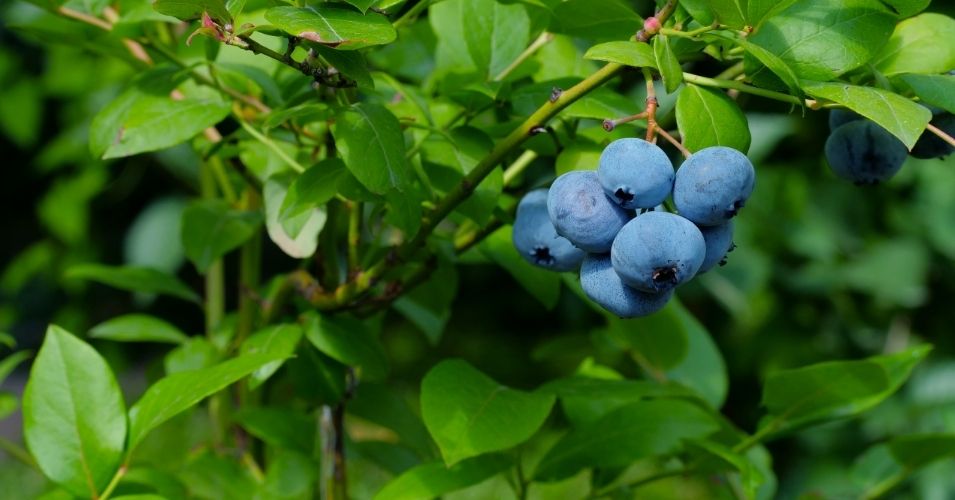
Blueberry plants are a joy to grow, especially in summer when they burst with life and reward you with sweet, juicy fruit.
But warm weather also brings challenges that can affect how well your plants thrive.
Knowing how to care for them during this season makes all the difference between a struggling bush and one loaded with berries.
With the right approach, even beginners can keep their plants healthy and productive.
This guide will walk you through simple, effective ways to care for blueberry plants in summer so you can enjoy a successful harvest and strong plants year after year.
Give Your Blueberries the Water They Truly Need
Blueberry plants rely heavily on steady moisture during summer, when heat and sunlight speed up evaporation from the soil.
Keeping the roots hydrated supports healthy growth and helps berries develop their full size and sweetness. If the plant dries out too often, the fruit may turn small, shrivel, or drop before it is ready to pick.
Instead of watering lightly every day, it is better to give your plants a deeper soak a few times a week. This method encourages roots to grow downward, making the plant more resilient during hot spells.
The goal is to keep the soil consistently moist, not soaked. Overwatering can be just as harmful as dryness, since roots need air as well as water to function properly.
A simple test can guide you. Push your finger a couple of inches into the soil. If it feels dry at that depth, it is time to water. Early morning is often the best time, since it allows moisture to soak in before the heat of the day causes rapid evaporation.
Adding mulch around the base of the plant can make a noticeable difference.
Materials like pine bark or wood chips help hold moisture in the soil and reduce how often you need to water. They also keep the roots cooler, which is especially helpful during long stretches of warm weather.
By paying attention to moisture levels and watering with purpose, you give your blueberry plants a strong foundation for producing juicy, flavorful berries throughout the season.
Keep Soil Conditions Just Right for Healthy Growth
Blueberry plants are quite particular about their soil, and summer is when those preferences matter most. The right soil conditions support both root health and fruit production, while poor conditions can quickly slow growth or cause visible stress.
One of the most important factors is soil acidity. Blueberries prefer acidic soil, usually with a pH between 4.5 and 5.5.
If the soil becomes overly neutral or alkaline, the plant struggles to absorb nutrients, even when they are present. Leaves may start to yellow, often a sign that something is off beneath the surface.
Keeping the soil light and well-drained is just as important. Heavy, compact soil holds too much water and limits airflow to the roots. This can lead to root damage and reduced growth.
Mixing in organic materials like peat moss or pine bark can improve both drainage and texture, giving roots the environment they need to thrive.
Mulch again plays an important role here. A layer around the base helps regulate soil temperature, keeping it cooler during hot days. It also slowly breaks down over time, adding organic matter that improves soil structure.
It is also wise to avoid disturbing the roots too much during the summer. Blueberry roots are shallow and delicate, so heavy digging or turning the soil can do more harm than good.
Instead, focus on maintaining the surface conditions and adding gentle improvements as needed.
When you keep the soil acidic, loose, and rich in organic matter, you create the perfect setting for your blueberry plants to grow strong and produce an abundant harvest.
Help Your Plants Handle Heat and Sunlight
Summer sunlight is essential for blueberry plants, but excessive heat can stress them. While these plants love full sun, extreme temperatures can lead to scorched leaves, slowed growth, and reduced fruit quality if not managed carefully.
Finding the right balance is key. Blueberries generally need around six to eight hours of sunlight each day to produce a good crop.
Morning sun is especially beneficial because it is gentler and helps dry off any moisture on the leaves, which can reduce the risk of disease. However, during the hottest part of the afternoon, strong sunlight can sometimes become overwhelming, especially in very warm climates.
One simple way to protect your plants is by providing light shade during peak heat hours.
This can be done using shade cloth or by placing plants where they receive some natural afternoon cover from nearby structures or taller plants. Even a small reduction in direct sun during the hottest hours can make a noticeable difference.
Mulch also helps regulate soil temperature, keeping roots cooler when the sun is intense. Since blueberry roots are shallow, they are more sensitive to heat than deeper-rooted plants. A thick layer of organic mulch acts as insulation, preventing rapid temperature swings.
Another factor to watch is airflow. Good air circulation helps prevent heat from building up around the plant and reduces humidity levels that can encourage disease. Avoid overcrowding your bushes and prune lightly if needed to keep air moving freely.
By managing sunlight exposure and reducing heat stress, you allow your blueberry plants to stay healthy and focused on producing high-quality fruit rather than struggling to survive harsh conditions.
Feeding Blueberries for Better Fruit and Stronger Bushes
Blueberry plants do not require heavy feeding, but they do benefit from the right nutrients at the right time. Summer is when the plant is actively growing and producing fruit, so that proper feeding can improve both berry quality and overall plant strength.
It is important to use fertilizers designed for acid-loving plants. These blends provide nutrients in a form blueberries can absorb easily, without altering soil pH in a harmful way.
Standard garden fertilizers may not be suitable because they can push the soil toward a more neutral level, which blueberries do not tolerate well.
Applying fertilizer in early summer helps support fruit development. A second light feeding later in the season can give the plant an extra boost, but it is important not to overdo it. Too much fertilizer can lead to excessive leaf growth at the expense of fruit, and it may even damage the roots.
Organic options can also work well. Materials like composted pine needles or well-aged organic matter slowly release nutrients while improving soil structure. This steady release is often gentler on the plant and supports long-term health.
Always water the plant after feeding to help move nutrients into the root zone, where they are needed most. This also reduces the chance of fertilizer sitting on the surface and causing damage.
By feeding your blueberry plants thoughtfully, you encourage stronger growth, better fruit production, and a healthier plant that will continue to perform well in future seasons.
Protect Your Crop from Pests and Problems
Summer is not just peak season for blueberries; it is also when pests and plant issues tend to show up. A healthy plant can handle minor challenges, but ignoring early problems can lead to damaged fruit or weakened bushes.
Birds are one of the most common threats. They love ripe blueberries just as much as you do and can strip a plant quickly if left unchecked. Netting is one of the simplest and most effective ways to keep them away. It creates a physical barrier while still allowing sunlight and airflow to reach the plant.
Insects can also become a concern. Aphids, mites, and beetles may appear and feed on leaves or fruit. Regularly checking your plants makes a big difference. Look under leaves and along stems for any unusual spots, holes, or sticky residue. Catching these signs early allows you to act before the issue spreads.
Natural solutions often work well for small infestations. Spraying plants with water can remove some pests, while insecticidal soap can help control larger problems without harming the plant when used properly. Encouraging beneficial insects like ladybugs can also reduce pest numbers over time.
Fungal diseases are another challenge during warm weather, especially when humidity is high.
Good airflow is your first line of defense. Avoid overcrowding and remove any dead or damaged leaves to keep the plant clean and open. Watering at the base instead of overhead also helps reduce excess moisture on the leaves.
Keeping the area around your plants tidy is just as important. Fallen fruit and debris can attract pests and spread disease. Clearing these away regularly helps maintain a healthier growing space.
When you stay observant and respond quickly, you can protect your blueberry crop and ensure that most of your harvest makes it from the plant to your table.
Final Thoughts
Caring for blueberry plants in summer does not have to feel complicated. With steady watering, proper soil care, balanced sunlight, thoughtful feeding, and a watchful eye for problems, your plants can thrive through the warmest months.
Small, consistent actions often bring the best results. Paying attention to your plants and adjusting as needed helps them stay strong and productive.
In return, you get fresh, flavorful berries and plants that continue to grow better each season.