
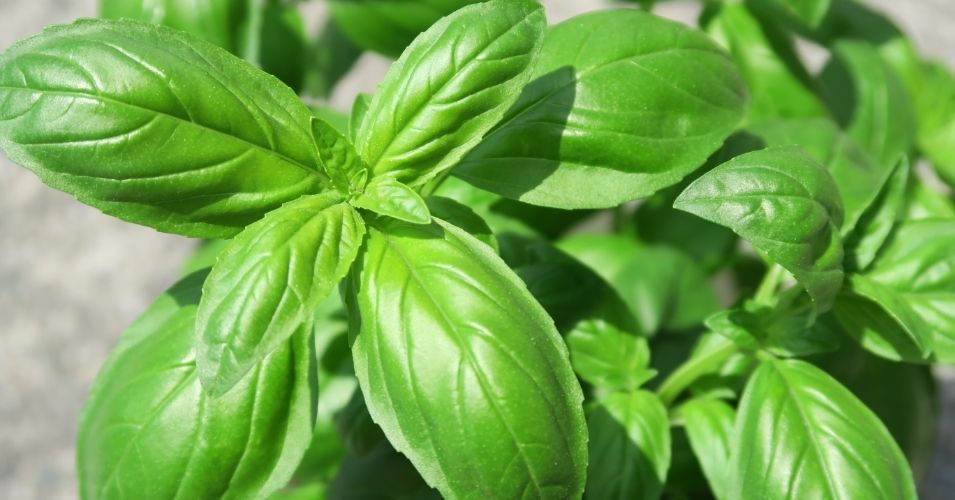
Basil is one of those plants that seems simple at first, yet truly thrives when given a bit of thoughtful care.
During summer, when the sun is strong and the days are long, basil can grow quickly and produce flavorful leaves that elevate any dish.
But warm weather also brings challenges like heat stress, dry soil, and pests that can weaken your plant if you are not careful.
This guide will walk you through everything you need to know to keep your basil healthy, vibrant, and full of life all season long.
Find the Perfect Spot for Summer Growth
Choosing where your basil lives during summer can shape how well it grows. Basil loves sunlight, but there is a fine balance between helpful warmth and overwhelming heat.
Aim for a location that receives around six to eight hours of sunlight each day. Morning sun is especially valuable because it is gentler and helps the plant start strong without stress.
A long stretch of intense afternoon sun can sometimes be too harsh, especially during peak summer weeks.
If you notice leaves looking dull or slightly scorched, your basil may be getting more sun than it can handle. In that case, shifting it to a spot with light afternoon shade can make a noticeable difference.
Airflow is another detail many people overlook. Basil prefers a space where air can move freely around the leaves. This reduces moisture buildup and helps prevent diseases. A crowded corner or tight indoor space can limit growth and lead to problems over time.
If you are growing basil indoors, place it near a bright window that gets steady sunlight. Rotating the pot every few days ensures all sides of the plant receive equal light.
For outdoor plants, containers offer flexibility. You can move them around to follow the best light or protect them from extreme heat when needed. Garden beds work well, too, but make sure the soil drains properly so roots do not sit in water.
Finding the right spot is not about perfection. It is about observing how your basil responds and making small adjustments to keep it comfortable and thriving.
Water Your Basil the Right Way When Temperatures Rise
Water plays a huge role in how basil handles summer heat. When temperatures climb, the plant uses more moisture to stay healthy and keep its leaves fresh. This means your watering routine needs to adjust with the season.
Basil prefers soil that stays slightly moist but never soggy. A good rule is to check the top inch of soil with your finger. If it feels dry, it is time to water. If it still feels damp, give it another day. This simple habit prevents both overwatering and underwatering.
Deep watering is more effective than light, frequent sprinkles. When you water thoroughly, it encourages roots to grow deeper into the soil. Strong roots help the plant handle heat much better.
Morning is the best time to water basil. This allows the plant to absorb moisture before the day becomes too hot. It also gives excess water on the leaves time to dry, reducing the chance of fungal issues. Evening watering can work too, but only if the leaves do not stay wet overnight.
During especially hot days, basil in pots may need water every day. Garden plants often hold moisture longer, but they still need close attention.
Watch for signs like drooping leaves or dry, crumbly soil. These are signals your plant needs hydration.
By staying consistent and adjusting based on the weather, you can keep your basil refreshed and growing strong throughout the summer.
Keep Leaves Lush Through Smart Pruning
Pruning basil might seem like a small task, but it has a powerful effect on how full and productive your plant becomes.
When basil is left alone, it tends to grow tall and thin. The leaves may become smaller, and the plant can look stretched rather than bushy. Regular trimming helps redirect energy toward growing more leaves rather than just getting taller.
Start by focusing on the top sections of the plant. When a stem has grown a few sets of leaves, you can pinch or cut just above a leaf pair. This encourages the plant to split into two new stems at that point.
Over time, this simple habit creates a fuller shape with more places for leaves to grow.
Avoid removing only the large leaves at the bottom without trimming the stems. That approach can slow down overall growth and leave the plant looking uneven. Instead, think of pruning as shaping the plant, not just collecting leaves.
Another important detail is removing flower buds as soon as they appear. Basil plants naturally try to flower during summer, especially in warm conditions.
Once flowering begins, the plant shifts its energy away from leaf production. The leaves may also lose some of their flavor. Pinching off buds early keeps the plant focused on producing fresh, tasty leaves.
Try to prune a little at a time rather than cutting large sections all at once. This keeps the plant from becoming stressed and allows it to recover quickly. Clean scissors or garden snips are helpful, but you can also use your fingers for softer stems.
With regular attention, pruning becomes an easy routine. It keeps your basil thick, vibrant, and ready to provide a steady supply of leaves throughout the season.
Protecting Basil from Heat, Pests, and Problems
Summer brings perfect growing conditions for basil, but it also introduces a range of challenges. High temperatures, insects, and plant diseases can all affect how well your basil performs. Keeping an eye on your plant helps you catch small issues before they become bigger problems.
Heat is often the first challenge to manage. On very hot days, basil can wilt even when the soil is moist. This is a natural response to intense sun and high temperatures.
Providing light shade during the hottest part of the afternoon can help reduce stress. A simple cloth or moving a potted plant to a slightly cooler spot can make a noticeable difference.
Pests are another common concern. Aphids, spider mites, and whiteflies are small but can quickly multiply if left unchecked. Check the undersides of leaves regularly, since pests often hide there.
If you notice tiny insects or sticky residue, rinse the plant gently with water or use a mild soap solution designed for plants.
Healthy basil is more resistant to problems. Good airflow, proper watering, and regular pruning all help strengthen the plant. Avoid overcrowding, as tight spaces can trap moisture and encourage disease.
Yellowing leaves or dark spots can signal issues like overwatering or fungal infections. If this happens, adjust your watering habits and remove affected leaves to prevent the problem from spreading.
Taking a few minutes each day to observe your basil can save you from bigger headaches later. With simple care and quick action, you can protect your plant and keep it thriving even during the toughest summer conditions.
Harvesting and Encouraging Continuous Growth
Harvesting basil is one of the most rewarding parts of growing this plant, but the way you pick leaves can also influence how much your basil continues to produce.
Done correctly, harvesting actually encourages the plant to grow more, giving you a steady supply throughout the summer.
The key is to harvest regularly and with intention. Instead of picking random leaves here and there, focus on cutting entire stems just above a pair of leaves. This signals the plant to branch out and create new growth from that point.
Over time, this method leads to a fuller plant with more leaves available to harvest.
It is best to start harvesting once the plant has established several sets of leaves. Taking too much too early can slow down development, so give your basil time to build strength first. Once it is growing steadily, you can harvest often without harming the plant.
Morning is the ideal time to gather leaves. At this point in the day, the plant is well hydrated, and the leaves are at their freshest. This also helps preserve the best flavor, which is one of the main reasons people love growing basil in the first place.
Be mindful not to remove more than about one-third of the plant at a time. This allows it to recover quickly and continue producing new growth.
If you keep up with regular harvesting, you may notice that your basil becomes thicker and more productive as the season goes on.
Harvesting is not just about collecting leaves. It is part of the overall care routine that keeps your plant active and thriving. With the right approach, your basil will continue to grow strong and provide fresh leaves again and again.
Final Thoughts
Caring for basil during summer comes down to paying attention and making small adjustments as needed.
With the right amount of sunlight, consistent watering, and regular pruning, your plant can stay healthy even during the hottest days. Protecting it from stress and harvesting thoughtfully will keep it productive for longer.
Basil responds quickly to good care, which makes it a great plant for both beginners and experienced gardeners.
By staying observant and responding to what your plant needs, you can enjoy a steady supply of fresh, flavorful leaves all season long.