
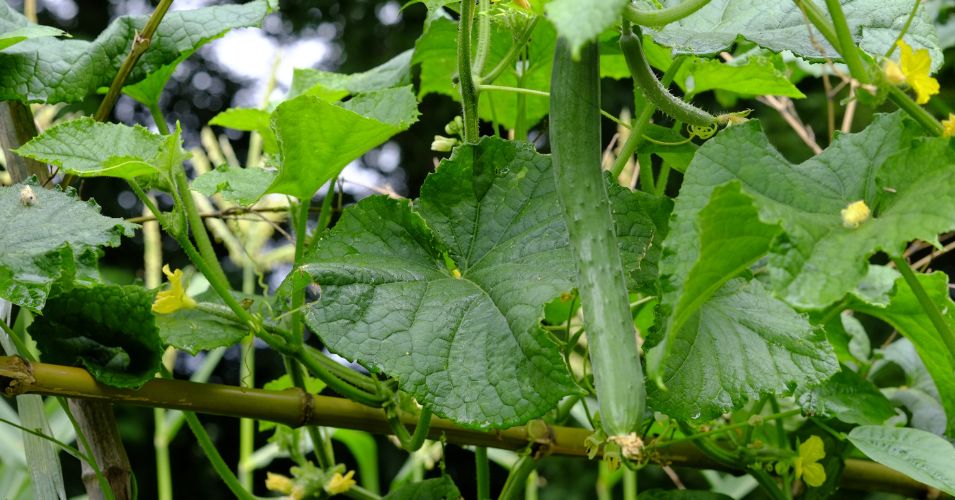
Growing cucumbers is rewarding, but getting a big harvest takes more than regular watering and plenty of sunshine.
These fast-growing plants use a surprising amount of nutrients, especially once they start flowering and producing fruit. If the soil cannot keep up, growth slows, and harvests become disappointing.
The good news is that you do not need harsh chemicals to keep cucumber plants thriving. Natural fertilizers can provide the nutrients they need while improving the soil at the same time.
In this guide, you will learn which natural fertilizers work well for cucumbers, when to apply them, and how to avoid common feeding mistakes.
Why Cucumbers Need the Right Nutrients
Cucumbers are heavy feeders. They grow quickly, produce plenty of leaves, and continue making flowers and fruit for weeks, all of which takes a steady supply of nutrients. Even if you start with good garden soil, those nutrients become depleted as the plants mature.
The biggest mistake many gardeners make is assuming water and sunshine are enough. While both are essential, cucumbers cannot produce healthy vines or a generous harvest if the soil is lacking nutrients. Underfed plants often grow slowly, develop pale leaves, and produce fewer cucumbers than expected.
Nitrogen is responsible for lush green growth during the early stages. Once flowering begins, phosphorus helps support root development and flower production, while potassium becomes increasingly important for producing firm, well-shaped cucumbers. Smaller amounts of nutrients such as calcium and magnesium also contribute to healthy plants, even though they are needed in much lower quantities.
Feeding cucumbers is not only about growing bigger plants. It is about creating the right balance. Too much nitrogen, for example, can result in long vines covered in leaves but very little fruit. A balanced supply of nutrients encourages plants to put energy into producing cucumbers instead of endless foliage.
Healthy soil also plays a major role. Soil rich in organic matter holds moisture more effectively, improves drainage, and supports beneficial organisms that naturally break down nutrients into forms the roots can absorb. As this living ecosystem develops, cucumber plants become stronger and more resilient.
Regular feeding throughout the season usually produces better results than applying a large amount of fertilizer all at once. A steady supply of nutrients allows the plants to keep producing flowers and fruit without slowing down as summer progresses.
When cucumbers have everything they need, the difference is easy to see. The vines remain vigorous, flowers continue to appear, and harvests become larger and more consistent. Good nutrition gives plants the best chance to produce crisp, flavorful cucumbers from the first picking through the season.
Natural Ways to Feed Cucumber Plants
Natural fertilizers do more than feed cucumber plants. They also improve the soil, which benefits every crop you grow in the future. Unlike many synthetic products that deliver nutrients almost immediately, organic fertilizers usually break down gradually, providing a more consistent supply over time.
Compost is often the first choice, and for good reason. Well-finished compost contains a little of almost everything cucumber plants need while also improving soil texture. It helps sandy soil hold moisture and loosens heavy clay, creating better conditions for healthy root growth.
Worm castings are another excellent option. Although they look similar to fine compost, they contain concentrated nutrients and beneficial microbes that support vigorous growth. Mixing them into the soil before planting or spreading a light layer around established plants is usually enough to see the benefits.
If your cucumber plants need an extra boost early in the season, fish emulsion is worth considering. It provides nitrogen in a natural form that plants can use fairly quickly, making it useful once seedlings have become established. Since it has a strong smell, many gardeners prefer applying it in the evening or before rain is expected.
Seaweed fertilizer is valued less for its major nutrients and more for its trace minerals. It can help plants cope with hot weather, dry spells, and other stresses that often affect cucumbers during summer.
Aged manure also deserves a place on the list, provided it has been composted properly. It enriches the soil while supplying a balanced mix of nutrients. Fresh manure should be avoided because it can damage roots and introduce unwanted bacteria.
Many gardeners achieve the best results by using more than one natural fertilizer. Compost creates a fertile foundation, while liquid feeds such as fish emulsion or seaweed fertilizer can be applied when plants begin growing rapidly.
This combination keeps cucumber plants well nourished without overwhelming them, leading to healthier vines and a longer, more productive harvest.
When and How to Fertilize Cucumber Plants
Cucumber plants do not need constant feeding, but they do benefit from nutrients being available at the right stages of growth. A little planning goes much further than repeatedly adding fertilizer whenever the plants seem to slow down.
Before planting, work compost or another organic fertilizer into the soil. This gives young plants access to nutrients from the moment their roots begin spreading. Starting with healthy soil is often enough to support the first few weeks of growth without any extra feeding.
Once the vines are growing well and producing several sets of leaves, it is worth giving them another light application. At this stage, the goal is to encourage healthy growth without pushing the plants to produce nothing but foliage. If you are using a liquid fertilizer, water the soil first so the nutrients soak in evenly instead of concentrating around dry roots.
The next important stage arrives when flowers start to appear. Producing fruit takes a lot of energy, so cucumber plants appreciate another feeding around this time. A fertilizer that contains a balanced mix of nutrients or slightly more phosphorus and potassium can help support flowering and fruit development.
After the first cucumbers are picked, the plants are far from finished. Healthy vines can continue producing for weeks if they are properly cared for. A light feeding every few weeks is usually enough to replace the nutrients removed from the soil as new fruit develops.
It also helps to watch the plants rather than relying only on a calendar. Vigorous vines, healthy green leaves, and regular harvests usually mean everything is on track. If growth slows or the leaves lose their rich color, the plants may be ready for another feed.
The key is consistency. Small, well-timed applications are much more effective than a single heavy dose that overwhelms the plants.
Synthetic Fertilizers for Cucumbers
Although many gardeners prefer natural fertilizers, commercial products still have a place in the vegetable garden. These fertilizers, often called synthetic fertilizers, are designed to provide nutrients that plants can absorb almost immediately. That makes them useful when cucumbers need a quick boost.
Most commercial fertilizers display an NPK ratio on the label, showing the amount of nitrogen, phosphorus, and potassium they contain. A balanced formula, such as 10-10-10, works well as young cucumber plants establish themselves.
Once flowers begin to appear, many gardeners switch to a fertilizer with less nitrogen and more phosphorus and potassium, such as 5-10-10. This helps direct the plant’s energy toward producing cucumbers instead of more leaves.
One of the biggest advantages of synthetic fertilizers is convenience. They are easy to measure, simple to apply, and produce results fairly quickly. If cucumber plants show signs of a nutrient deficiency, they can often recover faster than with slow-release organic fertilizers.
The trade-off is that these products do very little for the soil itself. They provide nutrients directly to the plants but do not add organic matter or improve soil structure. For gardeners who grow vegetables in the same beds every year, relying only on synthetic fertilizers can eventually leave the soil in poorer condition.
That is why many experienced gardeners use a combination of both approaches. Compost or other organic materials are added before planting to improve the soil, while a commercial fertilizer is kept on hand for times when plants need extra support.
This provides the immediate benefits of fast-acting nutrients without missing out on the long-term improvements that natural fertilizers bring to the garden.
Whichever fertilizer you choose, applying the recommended amount is always the safest approach. More fertilizer rarely leads to a bigger harvest. In fact, overfeeding often creates lush vines with fewer cucumbers, which is the opposite of what most gardeners hope to achieve.
Common Fertilizing Mistakes That Reduce Your Harvest
Growing healthy cucumbers is not complicated, but a few simple mistakes can prevent plants from reaching their full potential. In many cases, the problem is not choosing the wrong fertilizer. It is how and when that fertilizer is applied.
Overfeeding is probably the biggest mistake. Cucumber plants need regular nutrients, but they do not need large amounts all at once. Too much nitrogen encourages rapid leaf growth, leaving you with long, healthy-looking vines and surprisingly few cucumbers. If your plants seem to be producing leaves faster than fruit, excess nitrogen is often the reason.
Fresh manure is another problem. Although manure is an excellent addition to the garden after it has fully composted, applying it fresh can burn roots and overwhelm young plants with nutrients. It is always safer to use well-aged manure or finished compost instead.
Some gardeners also feed their cucumbers on a fixed schedule without paying attention to the plants themselves. A feeding calendar is useful, but it should never replace observation. If the vines are growing well, the leaves are deep green, and new flowers continue to appear, there is usually no reason to add more fertilizer ahead of schedule.
Poor watering habits can also reduce the effectiveness of fertilizer. Nutrients move through moist soil far more easily than dry soil. Applying fertilizer to dry ground can leave roots struggling to absorb what the plants need, especially during hot weather.
Another common mistake is forgetting about the soil. Fertilizer cannot compensate for compacted ground, poor drainage, or soil that lacks organic matter. Improving the soil with compost often has a bigger impact than simply adding more plant food.
A successful cucumber harvest comes from balancing all the essentials. Good soil, steady watering, plenty of sunlight, and sensible fertilizing. When one of those pieces is missing, even the best fertilizer will struggle to deliver the results you expect.
Final Thoughts
Natural fertilizers offer more than a quick source of nutrients. They improve the soil, support beneficial organisms, and create better growing conditions year after year.
That makes them an excellent choice for gardeners who want healthy cucumber plants and productive vegetable beds over the long term.
Whether you rely on homemade compost, worm castings, aged manure, or occasional applications of fish or seaweed fertilizer, consistency is more important than using every product available. Feed your plants when they need it, avoid overdoing it, and pay attention to how they respond.
With the right approach, cucumber plants will reward your efforts with vigorous vines, plenty of flowers, and a steady supply of crisp, homegrown cucumbers throughout the season.