
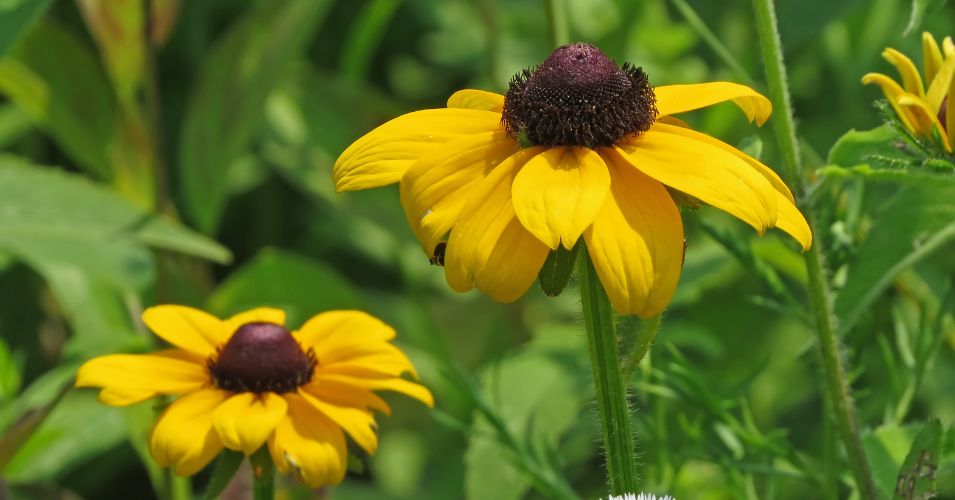
Black-eyed Susans have a way of brightening a garden without demanding much in return. Their golden flowers bloom for weeks, attract plenty of pollinators, and fit into almost any landscape.
While they look beautiful on their own, the right companion plants can make them even more eye-catching. Pairing them with flowers, grasses, and other perennials creates layers of color, texture, and seasonal interest that last well beyond summer.
Whether you enjoy a cottage garden, a prairie-inspired planting, or something more modern, choosing suitable companions helps Black-eyed Susans become part of a garden that feels full, balanced, and alive.
Flowers That Bloom Beautifully Beside Black-Eyed Susans
Black-eyed Susans have a cheerful look that is hard to miss, but they become even more impressive when surrounded by flowers that bring different colors, shapes, and textures to the garden.
The right companions keep flower beds interesting long after the first blooms appear. Instead of every plant competing for attention, they work together to create a display that changes throughout the season.
Purple Coneflower is one of the easiest flowers to pair with Black-eyed Susans. The rich purple petals stand out against the bright yellow blooms, giving the planting a bold but balanced appearance.
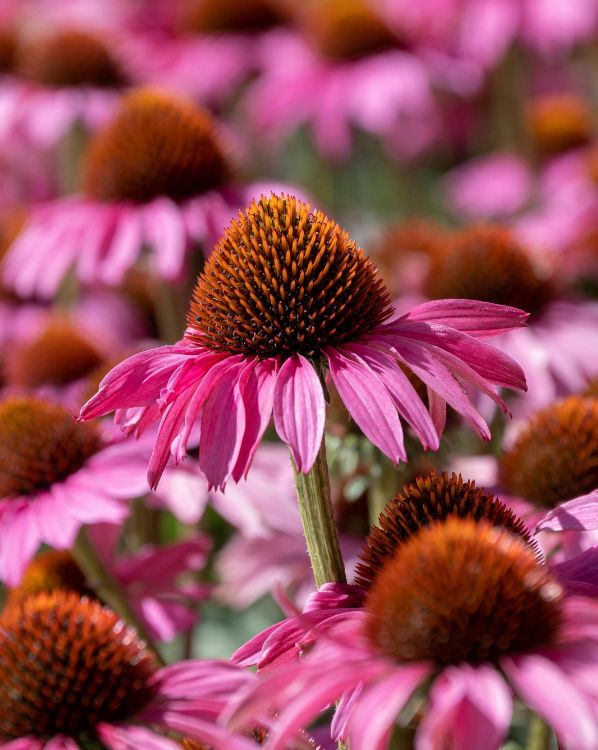
Since both plants enjoy full sun and well-drained soil, they are easy to grow together without giving either one special treatment. As a bonus, bees and butterflies are regular visitors, while birds often stop by later to feed on the seed heads.
If you want to soften the look of a flower border, Garden Phlox is a great choice. Its rounded clusters of blooms create a completely different shape from the daisy-like flowers of Black-eyed Susans, which makes the planting feel more layered.
Available in shades of pink, white, purple, and lavender, garden phlox offers plenty of flexibility for planning a color scheme. It also flowers during much of the same period, helping the border stay bright through the heart of summer.
For a timeless combination, it is hard to beat Shasta Daisy. The crisp white flowers bring a fresh contrast without stealing the spotlight from nearby Black-eyed Susans.
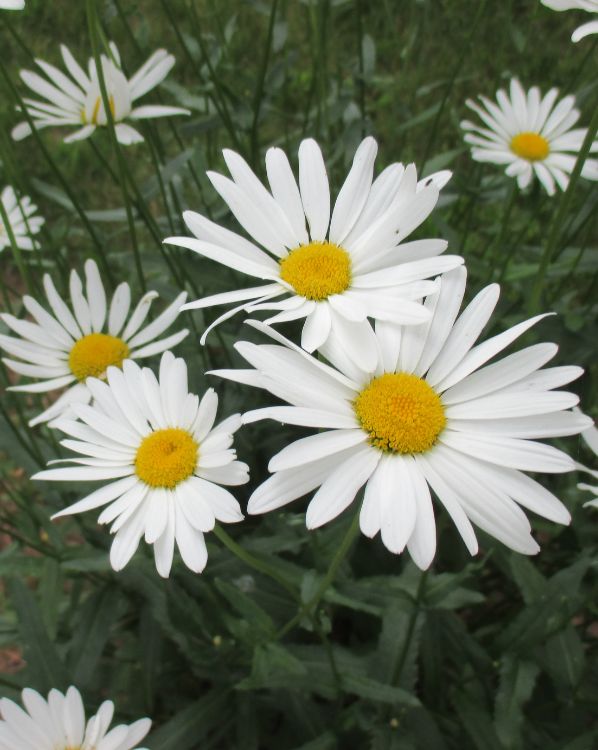
Although both belong to the daisy family, their different colors keep the display from looking repetitive. Together they create the relaxed feel of a traditional cottage garden while attracting pollinators that help the rest of the landscape thrive.
A flower bed filled with these companions never feels flat or predictable. Each plant contributes something different, whether it is color, texture, or wildlife value, creating a planting that looks established and inviting rather than carefully planned.
Native Plants That Build a Healthier Garden
One of the simplest ways to strengthen your garden is to grow Black-eyed Susans alongside other native plants.
These species have adapted to similar climates and growing conditions over thousands of years, so they naturally fit together. They also provide food and shelter for the insects and birds that keep a garden healthy, making your planting as useful as it is attractive.
Butterfly Weed is a natural partner that brings brilliant orange flowers into the mix. The warm colors blend beautifully with the golden blooms of Black-eyed Susans without making the border feel crowded.
More importantly, butterfly weed plays a vital role in supporting monarch butterflies by providing a place for them to lay their eggs. Once established, it is remarkably drought-tolerant and asks for very little attention.
Another native favorite is Bee Balm. Its unusual flowers look almost like small fireworks, adding a completely different texture to the planting. Hummingbirds are especially fond of its nectar, while bees and butterflies quickly find it as well.
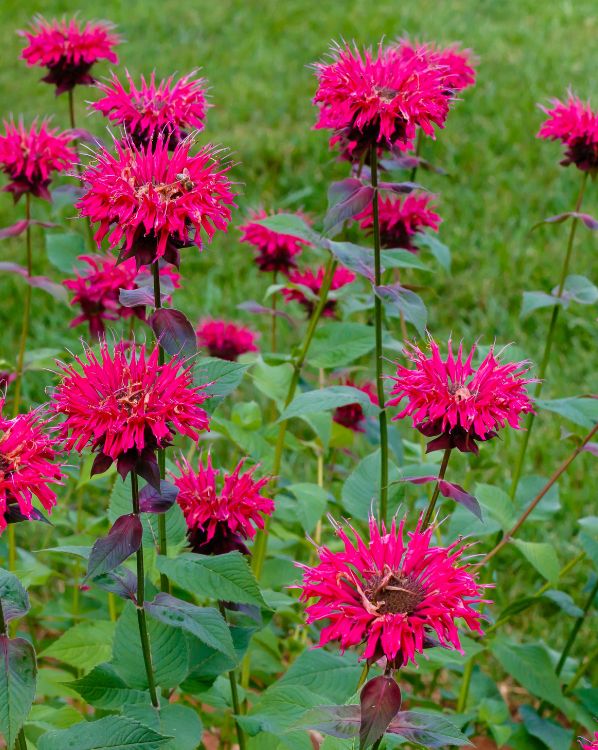
When grown beside Black-eyed Susans, bee balm adds height and movement that keep the garden from feeling too uniform. It performs best where it has enough room for good air circulation.
To finish the combination, Blazing Star brings a strong vertical element with its tall spikes of purple blooms. These upright flowers rise above surrounding plants, giving the border extra depth without blocking the view.
They also bloom when many summer flowers begin to fade, helping extend the season of color. Butterflies are frequent visitors, and the seed heads continue to add interest after flowering has finished.
When these native plants share the same space, the garden feels balanced instead of forced. Different flower shapes, heights, and bloom times create natural variety, while the steady stream of visiting pollinators makes the space feel alive from summer into fall.
Ornamental Grasses That Add Movement and Contrast
Black-eyed Susans are full of bold color, but pairing them with ornamental grasses gives the planting a completely different personality. Instead of a border that feels still, the grasses ripple in the breeze, adding texture that changes throughout the day. Even when the flowers begin to fade, many grasses continue putting on a show well into fall.
Little Bluestem is one of the easiest companions to recommend. During summer, its blue-green foliage quietly supports the bright yellow blooms without competing for attention. As temperatures cool, the grass gradually turns shades of copper, bronze, and orange.
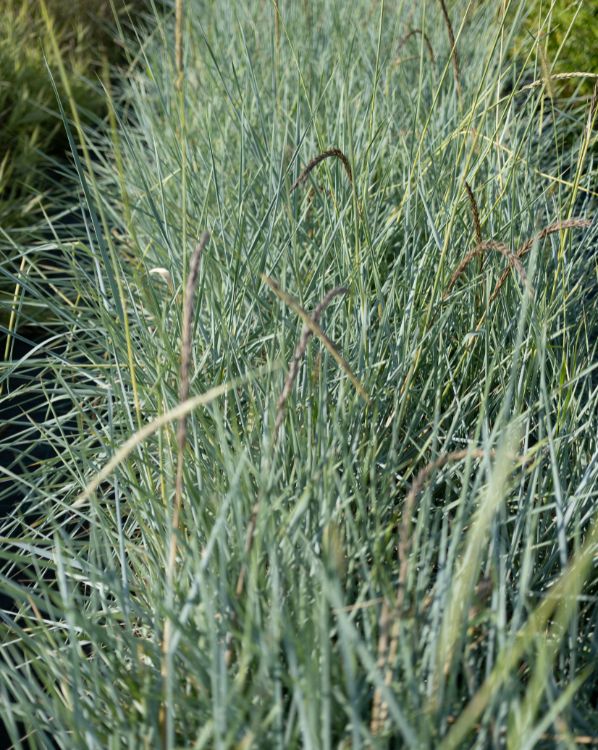
That change keeps the planting looking fresh just as many summer flowers begin winding down. Since both plants handle heat and dry soil well, they make an excellent choice for gardeners who prefer low-maintenance landscapes.
For something softer, consider Prairie Dropseed. It forms tidy mounds of narrow leaves that arch gently toward the ground, creating a flowing shape beneath the upright stems of Black-eyed Susans.
The contrast makes both plants stand out. In late summer, fine flower stems appear above the foliage, adding another layer of texture without making the border feel crowded. It is an understated plant, but one that quietly improves almost any sunny bed.
If you have room for a taller backdrop, Switchgrass is hard to overlook. Its upright habit adds structure to flower borders, especially when planted behind lower-growing perennials.
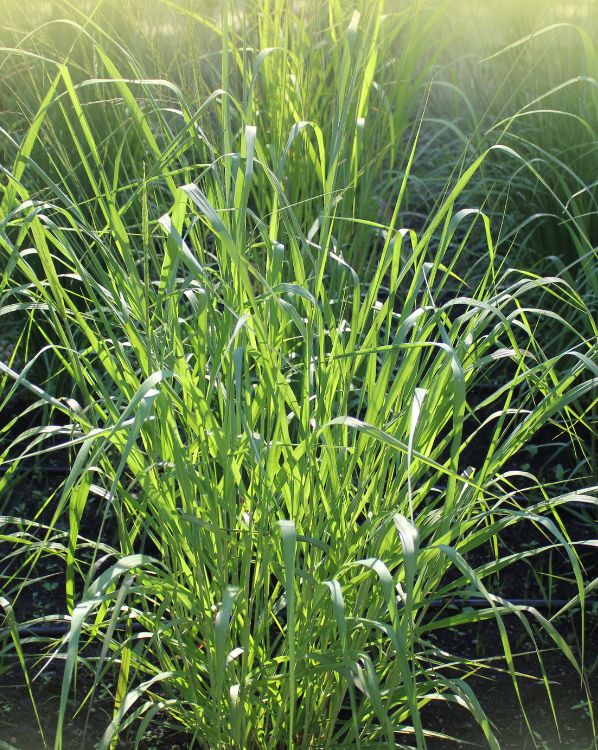
By late summer, airy seed heads rise above the foliage and remain attractive for months. Birds often visit to feed on the seeds, giving the garden another reason to stay interesting after peak flowering has passed.
Flowers naturally draw the eye first, but grasses are often what make a planting feel complete. They bring balance, soften bold colors, and add movement that keeps the garden changing from morning until evening.
Growing Combinations for Every Garden Style
One reason Black-eyed Susans remain so popular is their flexibility. They look just as comfortable spilling through an informal border as they do in a carefully planned landscape. With a few thoughtful plant choices, the same flower can take on a completely different character.
For a relaxed cottage garden, surround Black-eyed Susans with Purple Coneflowers, Garden Phlox, and Shasta Daisies. The mix feels cheerful without looking overly planned.
Flowers overlap throughout the season, pollinators are never far away, and the different heights keep the border from becoming flat. As the plants mature, the garden develops the full, overflowing appearance that cottage gardens are known for.
If a prairie-style landscape is more your taste, combine Black-eyed Susans with Little Bluestem and Blazing Star. This pairing reflects the look of native grasslands, where wildflowers grow naturally among grasses.
The yellow blooms weave between upright purple flower spikes, while the grass adds gentle movement throughout the planting. It is a combination that looks attractive even when very little maintenance is required.
A modern garden benefits from a more restrained approach. Plant Black-eyed Susans in generous groups with Switchgrass standing behind them.
Repeat the planting throughout the bed instead of filling every gap with different flowers. The repeating pattern creates a cleaner, more intentional design while still delivering plenty of color during summer.
The best gardens are not built by collecting as many plants as possible. They come together by repeating combinations that work well, allowing each plant to complement the next.
Black-eyed Susans make that easy because they blend naturally into almost any style without ever looking out of place.
Simple Tips for Long-Lasting Success
Once Black-eyed Susans settle into the garden, they rarely ask for much in return. Even so, a little attention at the right time can make a noticeable difference. Healthy plants flower longer, stand up better through summer, and return with just as much energy the following year.
Sunlight is one of the biggest factors behind a good display. A spot that receives at least six hours of direct sun each day usually produces stronger stems and more flowers. Too much shade often leads to taller, weaker growth that is more likely to flop over as the season progresses.
Soil matters as well, although these hardy perennials are not especially demanding. They grow best where water drains freely after rain. If the ground stays soggy for long periods, the roots are far more likely to struggle.
Mixing compost into the soil before planting is often enough to improve both drainage and fertility without adding complicated fertilizers.
Resist the urge to plant everything too close together. Black-eyed Susans naturally spread over time, and their companion plants need room to do the same. A little space between plants improves air circulation and makes the border look fuller as everything matures, rather than crowded from the start.
During the first growing season, water regularly while the roots become established. After that, these plants cope surprisingly well with dry spells. A layer of mulch helps keep the soil evenly moist and keeps weeds from taking over during the busiest part of summer.
As flowers begin to fade, you can remove spent blooms to encourage fresh ones. Toward the end of the season, it is worth leaving at least a few seed heads behind. Goldfinches and other small birds often stop by to feed, bringing a different kind of color and activity to the garden after the flowering display has finished.
Every few years, lift and divide older clumps if they become crowded. It is a simple job that keeps plants vigorous and gives you plenty of extras to fill empty spaces or share with fellow gardeners.
Final Thoughts
Black-eyed Susans have earned their place in gardens for good reason. They are dependable, easy to grow, and fit comfortably into everything from relaxed cottage borders to natural prairie plantings. Add the right companion plants, and they become even more impressive.
Mix flowering perennials for color, include native plants to welcome pollinators, and weave in ornamental grasses for texture and movement. Each choice adds something different, creating a garden that changes with the seasons rather than peaking for only a few weeks.
The nicest combinations rarely look forced. They grow together naturally, filling the garden with color, wildlife, and plenty of interest from summer into fall. With a little planning at the beginning, Black-eyed Susans can become the centerpiece of a landscape that looks better every year.