
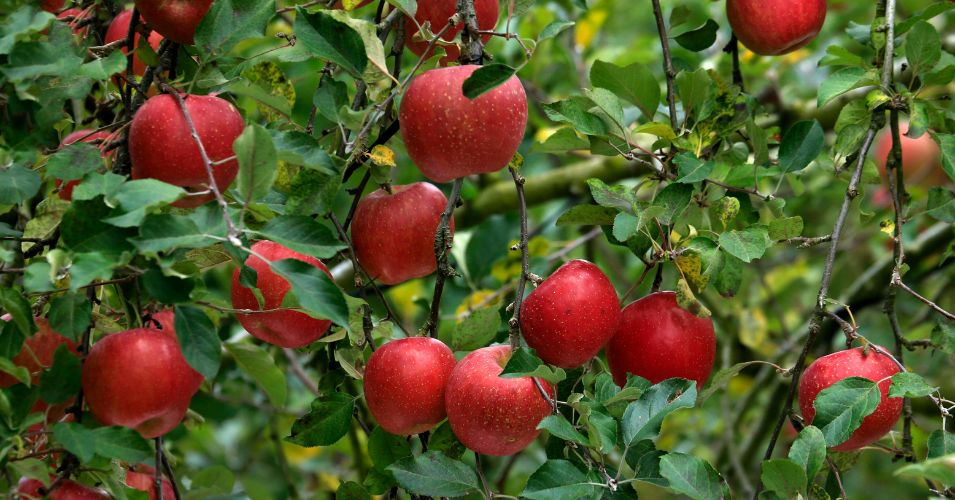
Apple trees come alive in summer, bursting with leafy growth and forming fruit that promises a rewarding harvest.
This season is also when trees need the most attention, as heat, pests, and rapid growth can either strengthen or stress them.
By learning how to care for your apple trees during these warmer months, you can help them stay healthy, productive, and full of life.
With the right approach, even a young gardener can keep trees thriving and enjoy the satisfaction of watching fruit develop day by day.
How to Water Apple Trees During Hot Summer Days
Summer heat can dry out soil faster than you might expect, especially during long stretches of sun and wind. Apple trees need steady moisture at their roots to stay healthy and keep their fruit growing properly, and the real secret lies in how that water is delivered.
Instead of giving your tree a light sprinkle every day, aim for a slow and deep soak a few times each week. This encourages roots to grow downward into cooler, more stable soil. Shallow watering keeps roots near the surface, where they dry out quickly and struggle during heat waves.
You can check if your tree needs water by pushing your finger a few inches into the soil. If it feels dry below the surface, it is time to water. This simple habit can prevent both overwatering and drought stress.
Early morning is the best time to water. The cooler air allows moisture to soak in before the sun evaporates it. Watering in the middle of the day often wastes effort, while watering late in the evening can leave the soil too damp overnight.
Focus your watering around the root zone rather than spraying the leaves. The goal is to reach the area where roots spread out beneath the soil. Keeping water away from the trunk also helps prevent rot and disease.
Young trees need extra attention because their roots are still developing. During very hot periods, they may require more frequent watering than mature trees. Signs such as drooping leaves or early fruit drop often indicate a lack of moisture.
When watering is done properly and consistently, apple trees respond with stronger growth and better fruit. The apples develop more evenly, and the tree handles summer stress with far greater ease.
Why Mulch Makes a Big Difference in Dry Weather
Mulch may look like a simple layer of material, but it creates a powerful shield that helps apple trees cope with summer conditions. Covering the soil slows the rate at which moisture escapes and protects the root area from direct sunlight.
Without mulch, the top layer of soil can dry out very quickly, sometimes within a single hot afternoon. This forces the tree to rely on deeper water reserves, which may not be enough during extended dry spells. With mulch in place, moisture stays available for longer, giving the tree a more stable supply.
Organic materials such as wood chips, straw, or shredded bark work especially well. Spread a layer about five to ten centimeters thick across the root zone, making sure to leave a small gap around the trunk. This gap is important because it prevents moisture buildup that can damage the bark.
Mulch also helps maintain a more balanced soil temperature. It keeps the ground cooler during the day and slows down heat loss at night. This steady environment supports root activity, which is essential for both growth and fruit development.
Another benefit is reduced weed growth. Weeds compete with apple trees for water and nutrients, and they can quickly take over if left unchecked. A good layer of mulch blocks sunlight from reaching weed seeds, making it much harder for them to grow.
Over time, organic mulch breaks down and adds nutrients back into the soil. This improves soil structure and supports long-term tree health. With such a simple addition, you create better conditions for your apple tree to thrive even during the driest parts of summer.
Keeping Pests and Diseases From Taking Over
Summer is when apple trees are most active, but it is also when pests and diseases thrive.
Warm temperatures and steady growth create ideal conditions for insects and infections to spread quickly if they are not managed early. Staying observant is one of the most effective ways to protect your tree.
Take time each week to look closely at the leaves, fruit, and branches. Small holes, curled leaves, or sticky residue can signal insect activity. Dark spots, powdery coatings, or unusual discoloration may point to disease. Catching these signs early makes a huge difference in how easily problems can be controlled.
A healthy tree is naturally more resistant, so proper watering and soil care help prevent disease. Strong growth helps the tree recover from minor damage and reduces the chance of serious outbreaks. Keeping the area around the tree clean is also important. Fallen fruit and leaves can attract pests and allow diseases to linger.
Natural solutions often work well for home gardeners. Spraying with a gentle soap solution can help control soft-bodied insects, while encouraging beneficial insects like ladybugs can reduce pest populations over time. Birds can also help by feeding on insects, so creating a garden that attracts them can be useful.
Good airflow is another key factor. When branches are not overcrowded, air moves freely through the canopy, reducing moisture buildup. This makes it harder for fungal diseases to take hold.
If problems do appear, act quickly but carefully. Removing affected leaves or fruit can stop the spread without harming the entire tree. Consistent monitoring and simple actions can prevent small issues from turning into serious damage.
When and How to Thin Fruit for Better Results
It might feel strange to remove fruit from your tree, especially after watching it develop, but thinning is one of the most important steps for producing high-quality apples.
When too many apples grow on a single tree, they compete for nutrients, water, and energy. This often leads to smaller fruit and can strain the tree.
Thinning helps the tree focus its resources on fewer apples, allowing them to grow larger and develop better flavor. It also reduces the risk of branches bending or breaking under too much weight.
The best time to thin fruit is early in the summer, shortly after the natural fruit drop has finished. At this stage, the remaining apples are still small and easy to remove. Waiting too long means the tree has already spent energy supporting fruit that will not reach its full potential.
Start by removing damaged, misshapen, or crowded apples. Then look for clusters where several apples are growing close together. Aim to leave one strong apple per cluster, spacing them several centimeters apart along the branch. This gives each fruit enough room to grow without rubbing against others.
Use your fingers to gently twist and remove the extra fruit, or use small pruning tools if needed. Be careful not to damage the remaining apples or the branch itself.
Thinning may seem like a loss at first, but the results are worth it. The apples that remain grow larger, taste better, and are less likely to develop problems. The tree also stays healthier and more balanced, making it easier to care for throughout the rest of the season.
Support Branches and Shape Trees in Summer
As summer progresses, apple trees often carry more weight than they can comfortably handle. Developing fruit, combined with full leaf growth, can put real pressure on branches. Without support, some limbs may bend too far or even snap, especially during windy weather or after rainfall.
One of the simplest ways to protect your tree is by giving heavy branches extra support. Wooden stakes or soft ties can help hold them up without causing damage. The goal is to lift the branch slightly so it is no longer under strain, while still allowing it to grow naturally. Be careful not to tie too tightly, since this can restrict movement and harm the bark.
Shaping also plays an important role during summer, although it should be done with a light touch. This is not the time for major pruning, but rather for small adjustments that improve the tree’s structure. Removing a few overcrowded shoots can help open up the canopy and allow more sunlight to reach the fruit. Better light exposure supports even ripening and improves overall fruit quality.
Focus on cutting away weak or poorly placed growth, especially shoots that grow straight upward or inward toward the center of the tree. These areas can become dense and block airflow, increasing the risk of disease. A more open shape keeps the tree balanced and easier to manage.
Another benefit of summer shaping is that it helps guide future growth. By making small corrections now, you reduce the need for heavy pruning later. This keeps the tree calmer and less stressed over time.
With proper support and gentle shaping, your apple tree can carry its fruit safely and continue growing in a strong, well-balanced form.
Final Thoughts
Caring for apple trees in summer comes down to paying attention and responding to what the tree needs. Each task, from watering to thinning, plays a part in keeping the tree healthy and productive.
When you stay consistent, small actions add up to big results. The tree grows stronger, the fruit develops more evenly, and problems are easier to manage before they become serious.
Summer care is not about doing everything at once. It is about building simple habits and checking in regularly. With time, these routines become second nature.
By supporting your tree through the season’s heat and growth, you set the stage for a harvest that reflects your effort and care.