
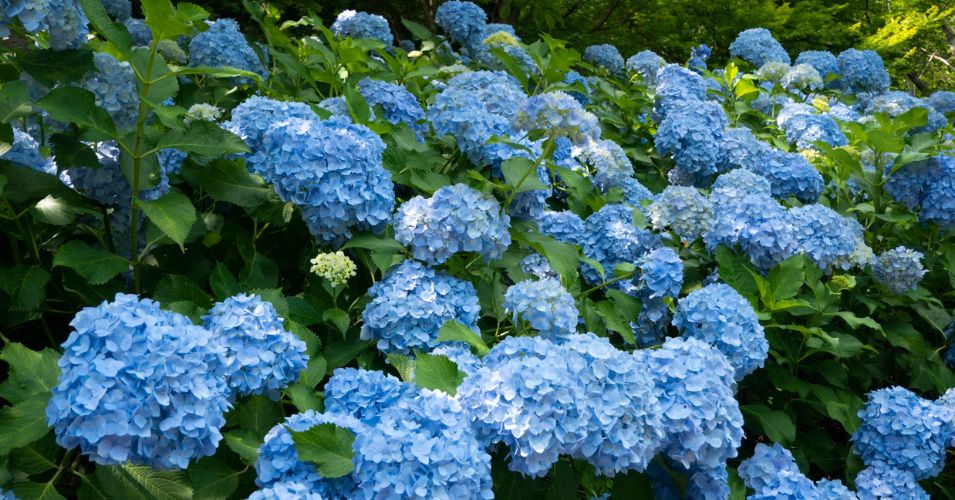
Hydrangeas have a way of stealing the spotlight, whether they are covered in soft pastel blooms or bold, vibrant flower heads. Keeping them looking their best starts below the surface, where healthy soil and the right nutrients make all the difference.
While there are plenty of fertilizers to choose from, natural options remain a favorite for gardeners who want strong plants without relying on synthetic products.
This guide explores some of the best natural fertilizers for hydrangeas, how to use them effectively, and when other fertilizers may be worth considering.
Which Natural Fertilizers Help Hydrangeas Thrive?
The healthiest hydrangeas rarely rely on a single fertilizer. Instead, they benefit from nutrient-rich soil that feeds them gradually throughout the growing season.
That is exactly where natural fertilizers shine. They improve the soil as they break down, creating better conditions for strong roots, healthy leaves, and beautiful blooms.
Compost is often considered the gold standard. It contains a broad mix of nutrients without being too strong, making it suitable for almost every hydrangea. Just as importantly, it improves soil structure.
Heavy clay becomes easier for roots to grow through, while sandy soil holds moisture for longer. A generous layer around the base of the plant each spring can make a noticeable difference over time.
Worm castings are another excellent choice. Although they look simple, they are packed with beneficial microorganisms and gentle nutrients that support steady growth. Because they release nutrients slowly, there is very little risk of damaging the plant. They can be worked into the soil or spread around established shrubs as a top dressing.
If your hydrangea needs a little extra encouragement during the growing season, fish emulsion is worth considering. As a liquid fertilizer, it reaches the roots quickly and provides nutrients that plants can use almost immediately.
It is particularly useful after a harsh winter or when new growth appears weaker than expected.
Well-composted manure also deserves a place in many gardens. It adds valuable organic matter while supplying the three major nutrients plants need. The key word is composted. Fresh manure is far too strong and can do more harm than good.
Bone meal is best used with a specific purpose in mind. Since it is rich in phosphorus, it supports healthy root development and can contribute to better flowering. It works most effectively when mixed into the soil rather than scattered on the surface.
Many experienced gardeners combine several of these fertilizers instead of relying on only one. Compost provides the foundation, while products such as worm castings, fish emulsion, or bone meal can be added when the plant would benefit from a little extra support.
This balanced approach keeps hydrangeas growing steadily without overwhelming them with nutrients.
How to Choose the Right Natural Fertilizer for Your Hydrangeas
With so many natural fertilizers available, it is easy to assume there must be one perfect choice for every hydrangea. In reality, the best option depends on the condition of your soil and what your plant needs most at the time.
A good place to start is with the soil itself. If it feels dry, sandy, or lacking in organic matter, compost is usually the smartest investment. It does far more than feed the plant. It improves moisture retention, encourages healthy microbial activity, and creates an environment where roots can grow more easily.
Next, take a close look at your hydrangea. A young shrub that is still establishing itself has different needs than one that has been growing in the same spot for several years. Newly planted hydrangeas generally respond well to gentle fertilizers such as compost or worm castings, which provide steady nutrition without encouraging excessive growth.
Established plants give you a little more flexibility. If they are producing healthy leaves but fewer flowers than expected, a phosphorus-rich fertilizer such as bone meal may be helpful. If growth seems slow during spring or early summer, a diluted application of fish emulsion can provide nutrients more quickly than compost alone.
Where the plant grows should also influence your decision. Hydrangeas in containers lose nutrients faster because frequent watering washes them through the pot. Those growing in garden beds usually benefit from slower feeding, since the surrounding soil holds nutrients for longer.
It also helps to think beyond fertilizer alone. Hydrangeas perform best when they have enough moisture, healthy soil, and the right amount of sunlight. Even the best natural fertilizer cannot compensate for dry soil or poor growing conditions.
Rather than searching for a single product to use every year, match the fertilizer to your hydrangea’s current needs.
A simple adjustment based on the season, the soil, or the plant’s condition will usually produce better results than following the same routine regardless of how the shrub is performing.
When and How to Fertilize Hydrangeas Naturally
Natural fertilizers work best when they are applied before your hydrangeas start asking for nutrients. That usually means feeding them in early spring, just as fresh growth begins to appear. At this point, the roots are becoming active again and can make good use of the nutrients released into the soil.
For most hydrangeas, a layer of compost spread around the plant is enough to get the growing season off to a strong start. Keep it a few inches away from the stems and extend it towards the outer edge of the canopy, where many of the feeding roots are located. Once it is in place, water the area well so nutrients begin moving into the soil.
Some plants need a little more attention as the season continues. If new growth looks pale or the shrub seems less vigorous than usual, a gentle feeding with worm castings or diluted fish emulsion can help.
There is no need to fertilize on a fixed calendar. Let the plant guide your decisions. A healthy hydrangea with deep green leaves and steady growth often needs very little beyond its spring feeding.
Resist the temptation to keep fertilizing into late summer. While it may seem like a good way to encourage more growth, it often has the opposite effect. Soft new shoots produced late in the season are less likely to cope with colder weather, leaving the plant more vulnerable once temperatures begin to fall.
Natural fertilizers reward consistency rather than speed. They break down gradually, so improvements tend to appear over weeks instead of days. That slower pace is one of their greatest strengths.
Instead of creating a sudden burst of growth, they support the plant throughout the season while steadily improving the soil beneath it. Over time, healthier soil leads to healthier hydrangeas, making each year’s growth a little stronger than the last.
Should You Choose Natural or Synthetic Fertilizers?
Natural fertilizers are the preferred choice for many gardeners because they do more than feed hydrangeas.
As compost, worm castings, and other organic materials break down, they improve soil structure, encourage beneficial microorganisms, and create a healthier growing environment. The results are gradual, but the benefits often last well beyond a single growing season.
Synthetic fertilizers work differently. They provide nutrients in a form that plants can absorb almost immediately, making them useful when a hydrangea needs a quick boost.
General-purpose fertilizers with balanced ratios, such as 10-10-10, are commonly used, while formulas like 12-4-8 provide slightly more nitrogen to encourage leafy growth.
Slow-release fertilizers designed for flowering shrubs are another popular option because they provide nutrients to plants for several weeks or months without frequent reapplication.
The trade-off is that synthetic fertilizers only address the plant’s immediate nutritional needs. They do not improve the soil itself, and applying more than the recommended amount can lead to excessive foliage, fewer flowers, or damaged roots. For that reason, they should always be used carefully and according to the label instructions.
If your hydrangeas are planted in reasonably fertile soil and are growing well, there is often little reason to rely on synthetic products. A yearly application of compost, supported by natural fertilizers such as worm castings or fish emulsion when needed, is enough to keep many shrubs healthy and productive.
Synthetic fertilizers certainly have a place, especially when a soil test reveals a nutrient deficiency or a struggling plant needs faster results.
For routine care, however, natural fertilizers remain the better long-term choice. They nourish both the hydrangea and the soil, helping create stronger plants that continue to perform well year after year.
Common Hydrangea Fertilizing Mistakes to Avoid
Feeding hydrangeas is not difficult, but a few small mistakes can hold them back. In many cases, disappointing blooms are not caused by a lack of fertilizer. They result from applying the wrong product, feeding at the wrong time, or simply giving the plant more nutrients than it needs.
Overfertilizing is one of the most common problems. A hydrangea that receives too much fertilizer often responds by producing an abundance of leafy growth instead of flowers.
While the shrub may look healthy at first glance, it is directing its energy into foliage rather than blooming. Following recommended application rates almost always produces better results than adding extra fertilizer.
Timing can be just as important. Early spring is the ideal time to begin feeding because the plant is entering a period of active growth. Fertilizing too late in the season, however, encourages soft new shoots that may struggle once temperatures begin to drop. Allowing the plant to slow its growth before autumn naturally helps it prepare for winter.
Another mistake is using fresh manure instead of composted manure. Fresh manure contains high levels of nitrogen that can damage roots, and it may also introduce unwanted weed seeds into the garden. Well-composted manure is a much safer option because it provides nutrients in a gentler form.
It is also easy to forget that fertilizer is only one part of the picture. Hydrangeas growing in poor, compacted soil will rarely perform at their best, no matter how often they are fed. Improving the soil with compost often has a greater impact than adding more fertilizer alone.
Perhaps the most overlooked mistake is treating every hydrangea the same. A newly planted shrub, a mature specimen, and a container-grown plant all have different nutritional needs.
Taking a few moments to assess the plant before reaching for the fertilizer is usually the best decision you can make. A healthy hydrangea does not need constant feeding. It simply needs the right care at the right time.
Final Thoughts
The best natural fertilizer for hydrangeas is not necessarily the most expensive or the most complicated. More often than not, it is the one that improves your soil while providing a steady supply of nutrients throughout the growing season.
Compost remains an excellent foundation, while products such as worm castings, fish emulsion, and well-composted manure can provide additional support when your plants need it.
Remember that healthy hydrangeas are built over time, not overnight. Consistent watering, fertile soil, and thoughtful feeding will always yield more than frequent fertilizer applications alone.
By focusing on long-term soil health instead of quick fixes, you can enjoy stronger plants, greener foliage, and beautiful blooms that return year after year.