
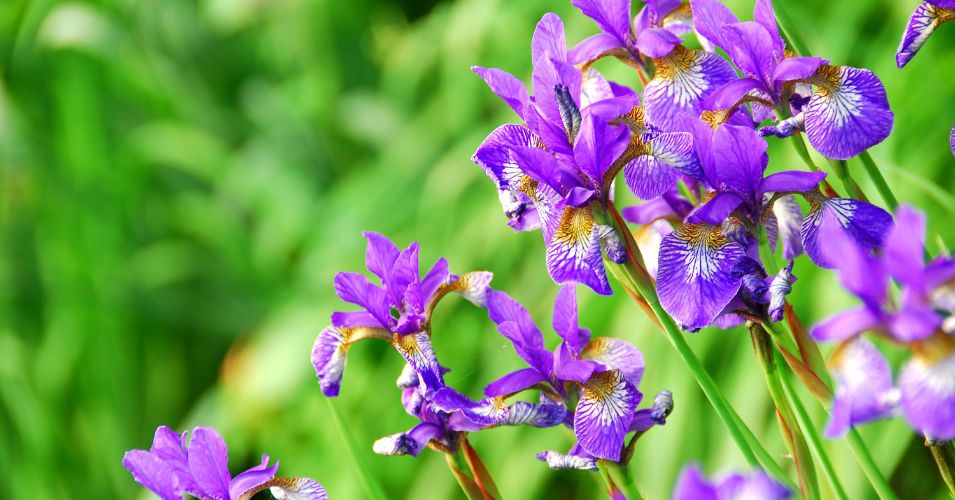
Irises have a way of stealing the spotlight every spring, but even these stunning flowers look better when they are part of a thoughtfully planned garden.
The right companion plants can highlight their bold blooms, soften their upright foliage, and keep your flower beds looking colorful long after the flowering season ends.
From long-blooming perennials to low-growing ground covers, there are plenty of plants that thrive alongside irises without competing for space or attention.
This guide explores some of the best companion plants for irises and explains how to combine them for a healthy, beautiful garden that shines from season to season.
Perennials That Grow Well With Irises
Perennials are a natural match for irises because they provide lasting structure and fill the gaps once the spectacular iris blooms begin to fade.
Since most irises prefer full sun and well-drained soil, it makes sense to choose companions that enjoy the same growing conditions. The goal is not to hide the irises but to give them a supporting cast that keeps the flower bed attractive from spring into late summer.
Daylilies are often the first choice, and it is easy to see why. Their bloom time usually begins just as many irises are finishing, so the garden never has a chance to look bare. The graceful, arching foliage also blends beautifully with the upright iris leaves without looking repetitive.
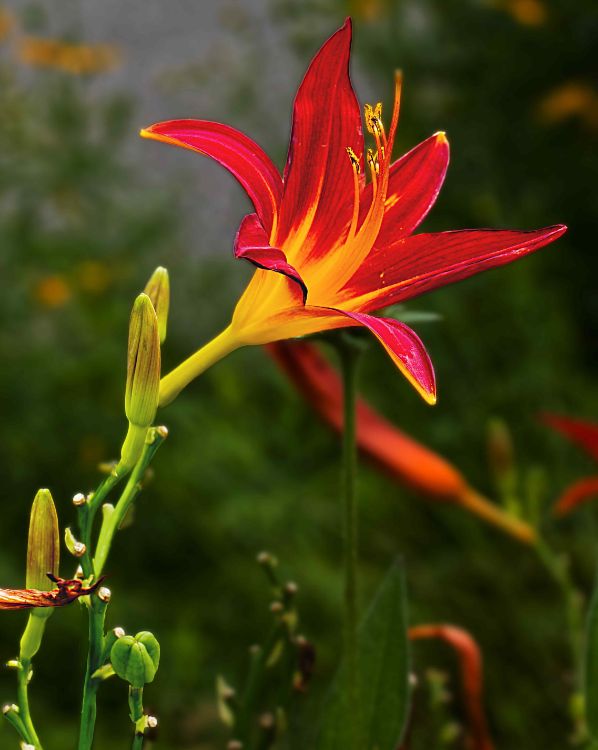
Plant daylilies about 18 to 24 inches away from iris clumps so both plants have room to spread over time. This spacing also keeps the iris rhizomes exposed to sunlight, which helps them stay healthy and produce strong blooms the following year.
Salvia brings a completely different look to an iris bed. Instead of broad flowers, it produces slender spikes covered in small blooms that sway gently above the foliage. This contrast makes each plant stand out even more.
A few clumps of salvia planted behind or between groups of irises can add height without making the border feel crowded. Both plants thrive in sunny locations, and the long flowering season of salvia helps carry the display well beyond the iris bloom period.
Bees and butterflies are frequent visitors too, giving the garden even more life.
For something softer, catmint is hard to beat. It forms rounded mounds covered with small lavender blue flowers that spill gently around the base of taller plants. Instead of competing with irises, it frames them.
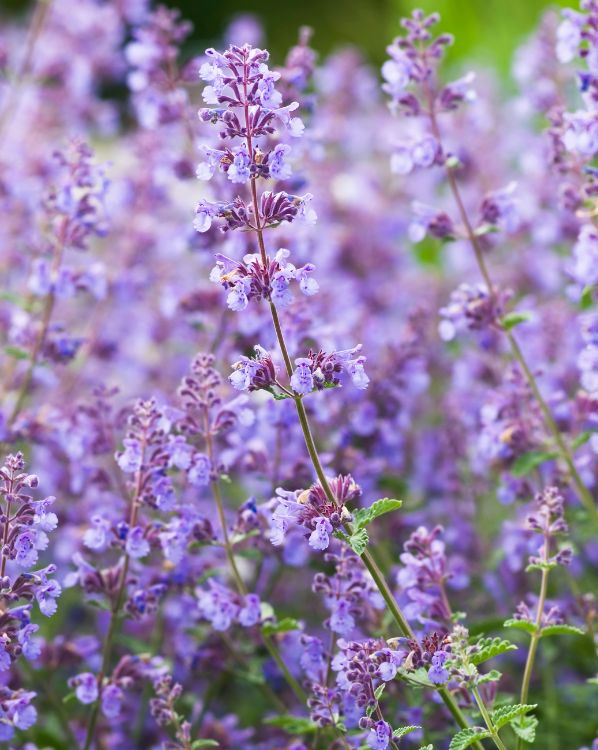
Plant catmint near the front of the border and leave about a foot of space between it and the iris rhizomes. As it grows, it fills empty patches of soil, helps reduce weeds, and creates a relaxed, cottage garden feel that makes the elegant iris flowers stand out even more.
Annual Flowers That Brighten Iris Beds
Annual flowers offer something perennials cannot. They let you change the look of your iris beds every year.
Whether you prefer soft pastel shades one season or bright, bold colors the next, annuals make it easy to refresh the display without redesigning the entire garden. They are especially useful for filling open spaces that appear after irises have finished blooming.
Zinnias are among the easiest annuals to pair with irises because they flower for months with very little effort. Their cheerful blooms keep the border colorful well into autumn, long after the irises have taken a break.
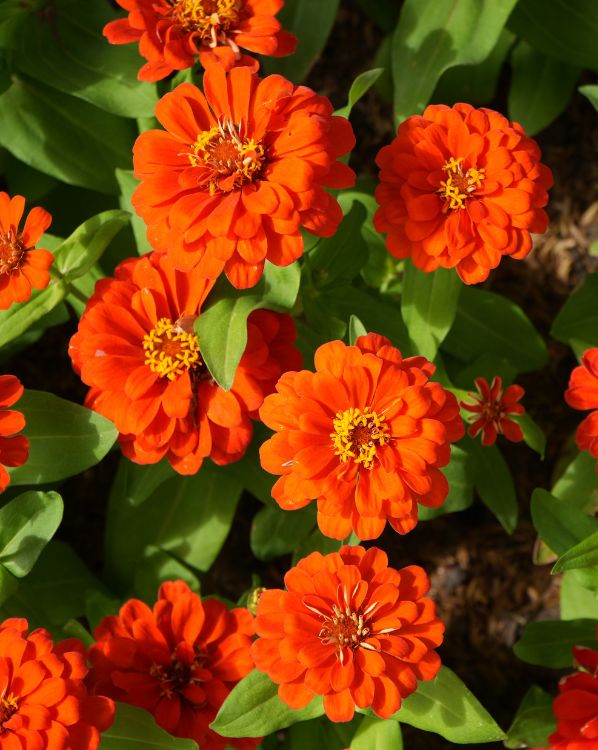
Plant them about 12 to 18 inches away from iris clumps where they can enjoy plenty of sunshine without crowding the rhizomes. Their upright stems echo the shape of iris foliage while introducing a fresh burst of color that keeps the planting lively.
Cosmos create a completely different effect. Their delicate, feathery leaves and airy flowers bring movement to the garden, especially on breezy summer days.
They work particularly well behind irises, where their tall stems can rise above the fading foliage without blocking the spring display. Leave enough space between the two plants so air can circulate freely.
This simple planting arrangement gives each one room to shine while creating a border that feels light and natural rather than tightly packed.
Sweet alyssum is ideal for finishing the front of an iris bed. Instead of adding height, it spreads into a low carpet of tiny flowers that softens the edges of the planting.
Tuck it along pathways or around the outer edge of iris clumps rather than directly over the rhizomes. This creates a neat, finished appearance while leaving the irises with the open, sunny conditions they need.
As a bonus, the sweetly scented flowers attract bees and other pollinators, bringing extra activity to the garden throughout the growing season.
Shrubs That Complement Irises
Irises naturally draw the eye when they bloom, but they benefit from having something behind them once the flowers begin to fade. That is where shrubs come in.
A carefully placed shrub adds depth to the border, provides greenery for much of the year, and helps the colorful iris flowers stand out rather than blend into the rest of the garden. Choosing compact shrubs is usually the best approach because they provide structure without overpowering nearby perennials.
Spirea is a favorite for mixed borders because it brings soft clusters of flowers just as many irises are finishing their display. The rounded habit of the shrub is a pleasant contrast to the upright iris foliage, making both plants more noticeable.
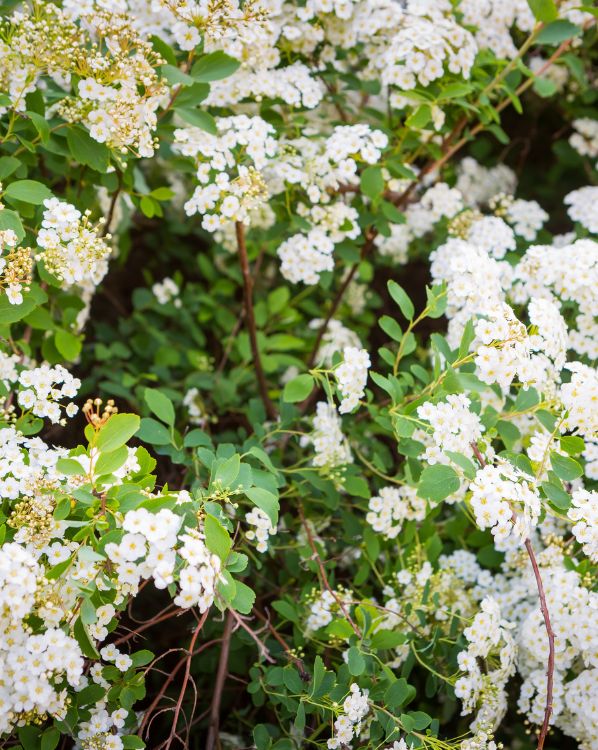
Plant spirea a few feet behind your iris clumps rather than directly beside them. This keeps the shrubs from shading the rhizomes while leaving enough room for both plants to mature.
As the season progresses, the shrub’s fresh green leaves help disguise the fading iris foliage, so the bed continues to look well cared for.
If your garden could use more year-round structure, dwarf boxwood is an excellent choice. Its evergreen leaves create a simple backdrop that allows every iris color to shine, whether you grow rich purple varieties or soft pastel blooms.
Position the shrubs along the back or sides of the bed, leaving enough space for future growth, rather than planting too close from the start. A neat row of boxwoods can even frame an iris border, giving it a more formal appearance without taking attention away from the flowers.
Potentilla offers something completely different. Instead of acting as a quiet backdrop, it continues to add cheerful flowers throughout much of the summer. It pairs especially well with irises because both plants appreciate sunny locations and well-drained soil.
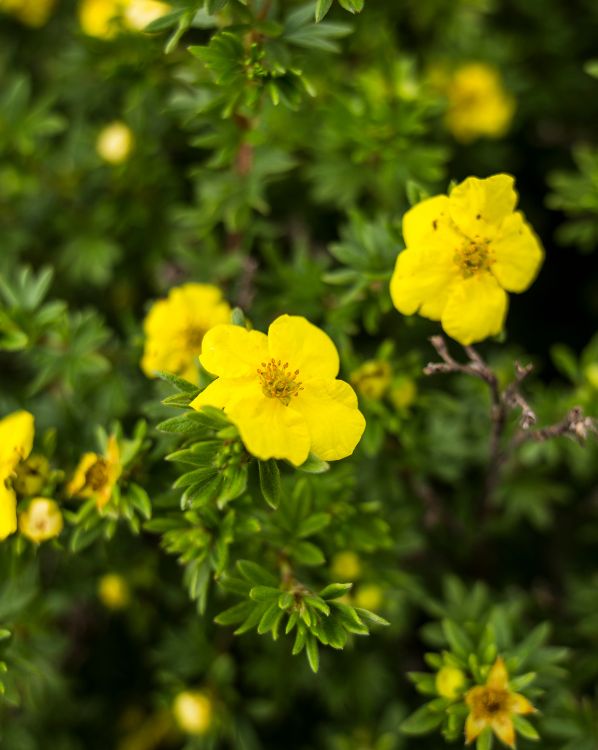
Plant potentilla where it can fill an empty corner or soften the transition between taller shrubs and lower-growing perennials. The result is a planting that feels balanced and colorful long after the iris season has passed.
Ground Covers for Healthy and Attractive Borders
An iris bed can sometimes look unfinished once the flowers fade, especially if patches of bare soil are left between the plants. Ground covers solve that problem without stealing the spotlight.
They spread gently across the soil, making the border look fuller while helping to reduce weeds. The only rule worth remembering is to keep them from growing over the iris rhizomes, which need sunlight and good airflow to stay healthy.
Creeping thyme is one of the easiest ground covers to tuck into an iris planting. Its tiny leaves form a fragrant carpet that stays low enough to avoid competing with taller flowers.
Plant it near the front of the border or along the edge of a pathway, allowing several inches of open space around each iris clump. As the thyme spreads, it creates a soft transition between the flower bed and the lawn while adding small blooms that attract bees throughout the warmer months.
Creeping phlox puts on its biggest show in spring, often flowering at the same time as early irises. Together they create a colorful display that looks natural rather than carefully arranged.

Instead of weaving the plants through the middle of the iris clumps, let creeping phlox trail across the front of the bed or spill over stones if your garden has a raised border. This keeps the flowers visible while preventing the ground cover from crowding the rhizomes.
Ajuga is a good choice if part of the border receives a little afternoon shade. Even when it is not in bloom, its glossy foliage adds color and texture that keeps the planting interesting.
Set young plants around the outside of the iris bed and allow them to spread gradually into open spaces. With this approach, the irises remain the main feature in spring, while the ajuga quietly fills the gaps, keeping the border lush for the rest of the season.
Herbs and Ornamental Grasses to Plant Near Irises
If your iris bed feels like it needs one final touch, herbs and ornamental grasses are often the answer. They are not meant to compete with the flowers. Instead, they add subtle details that make the entire planting feel more complete.
Fragrant herbs soften the border with scent, while grasses introduce movement that catches the eye every time the wind picks up.
Lavender is one of the easiest partners for irises because both plants enjoy the same sunny, well-drained conditions. The silver-toned foliage looks striking beside the upright green iris leaves, and the purple flower spikes keep the bed colorful after the irises have faded.
Rather than planting lavender directly beside the rhizomes, set each plant about 18 inches away. This leaves enough room for air to circulate and prevents the woody stems from crowding the irises as they mature.
A row of lavender along the front or side of an iris bed also fills the garden with fragrance whenever someone walks past.
Feather reed grass offers a completely different look. Its narrow leaves blend naturally with iris foliage, but the tall, upright plumes bring height and gentle movement that lasts well beyond the flowering season.
Place it toward the back of the border so it frames the irises instead of hiding them. Giving the grass plenty of room to grow allows the graceful seed heads to become a feature in their own right, especially during late summer and autumn when many flowering plants begin to slow down.
Blue fescue proves that even small plants can make a big difference. Its compact mounds of blue-gray foliage stand out against the bold leaves of irises without drawing attention away from the flowers.
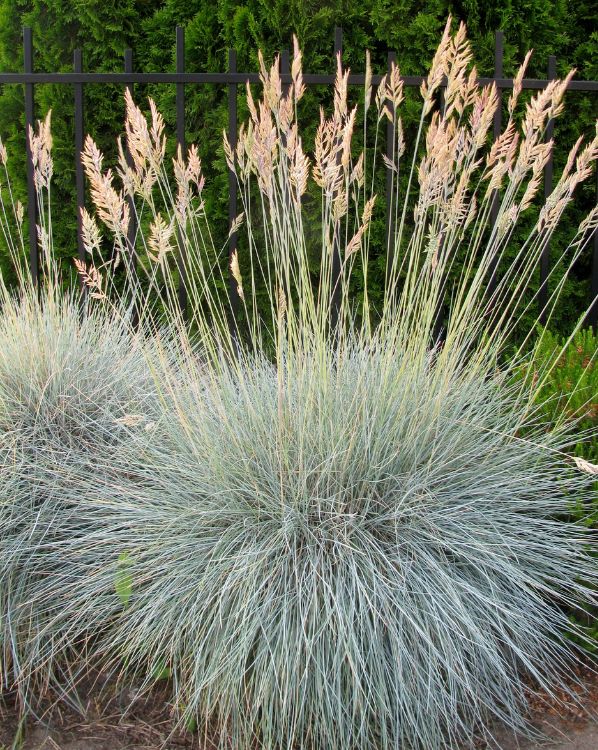
Tuck it between widely spaced clumps of iris or along the front edge of the bed, where its rounded shape can soften the stronger lines of the planting. It stays neat with very little care, making it an easy choice for gardeners who want extra texture without adding another demanding plant to the border.
Final Thoughts
Irises rarely need to steal the whole show to make an impression. In fact, they often look their best when surrounded by plants that highlight their beauty rather than compete with it.
A thoughtful mix of companions can keep the garden looking fresh from spring into autumn, even after the iris flowers have faded.
As you choose plants, focus on those that enjoy the same sunny location and well-drained soil. Leave enough space for the rhizomes to receive light and good airflow, then use companion plants to fill the surrounding gaps rather than covering the irises themselves.
With that simple approach, your flower bed will develop into a layered display that looks attractive throughout the growing season and becomes more rewarding with each passing year.