
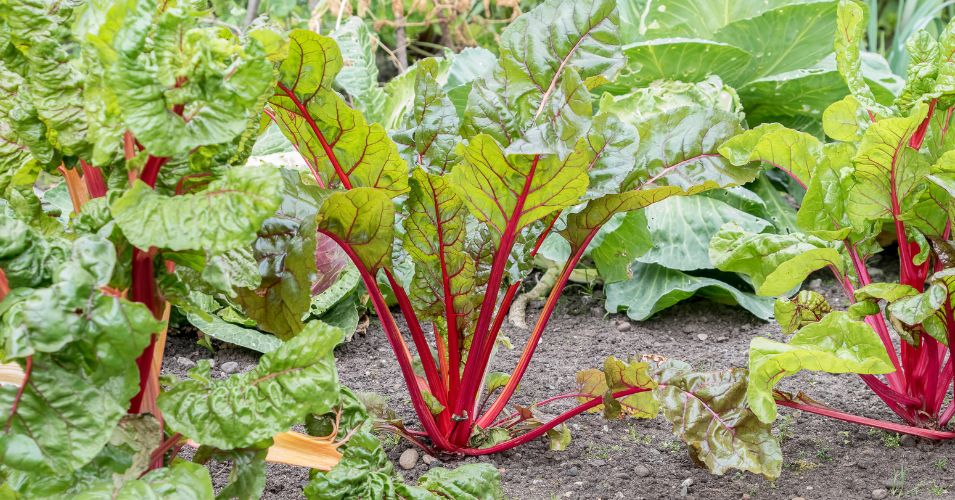
Rhubarb has a reputation for being an easy plant to grow, but that does not mean it can thrive on neglect alone. Like any perennial, it benefits from the right nutrients, especially after years of growing in the same spot.
Choosing a natural fertilizer is one of the simplest ways to encourage thicker stalks, healthier growth, and more productive harvests without relying heavily on synthetic products.
There are plenty of organic options that can give rhubarb exactly what it needs. This guide explores some of the best natural fertilizers, when to apply them, and how to keep your plants thriving season after season.
What Makes a Natural Fertilizer Ideal for Rhubarb?
Choosing a fertilizer for rhubarb is not about finding the richest product on the shelf. It is about giving a long-lived plant exactly what it needs to stay productive year after year.
Since rhubarb can grow in the same location for many seasons, every application should improve both the plant and the soil it depends on.
One of the first things to look for is a balanced nutrient supply. Rhubarb needs plenty of nitrogen to support its large leaves and sturdy stalks, but that is only part of the picture.
Phosphorus helps establish and maintain a healthy root system, while potassium strengthens the plant and helps it cope with changing weather conditions. A fertilizer that offers all three nutrients creates a stronger foundation for consistent growth.
How those nutrients are delivered matters just as much. Natural fertilizers break down gradually, releasing nutrients over time instead of all at once. That slower pace suits rhubarb well because the plant can absorb what it needs throughout the growing season without being pushed into rapid, weak growth.
Good natural fertilizers also leave the soil in better condition than they found it. As organic materials decompose, they improve soil texture, helping heavy soils become looser, and sandy soils retain moisture longer. That balance makes it easier for rhubarb roots to spread and access the nutrients stored below the surface.
Healthy soil is full of life, and natural fertilizers help keep it that way. Earthworms, fungi, and beneficial bacteria all play a role in breaking down organic matter, making nutrients more available to plants. Supporting these organisms creates an environment in which rhubarb can continue to thrive with less effort from the gardener.
The best natural fertilizer is not necessarily the strongest one. Instead, it is the one that feeds steadily, improves the soil over time, and helps the plant return each spring with vigorous new growth.
Choosing Natural Fertilizers for Healthy Rhubarb Plants
If you asked ten experienced gardeners what they feed their rhubarb, you would probably hear several different answers. The good news is that many natural fertilizers work well, provided they are used at the right time and in sensible amounts.
Compost is often the first recommendation, and for good reason. It supplies a broad mix of nutrients while improving the soil with every application. A generous layer spread around the base of the plant in spring gradually feeds the roots and helps the soil stay moist during warmer weather.
Aged manure is another reliable option, especially if it has been fully composted. Cow and horse manure are both popular choices because they provide valuable nitrogen and increase organic matter. Fresh manure is best avoided, as it can damage roots and contain unwanted pathogens.
When plants need a little extra encouragement, blood meal can provide a welcome boost of nitrogen. It is particularly useful if growth appears slow after winter. A light application is usually enough, since too much nitrogen can produce an abundance of leaves without noticeably improving the stalks.
Bone meal is a useful addition when planting new rhubarb crowns. Its high phosphorus content supports root development, giving young plants a better start. Established rhubarb can still benefit from it, although it is generally needed less often.
Worm castings are prized for their gentle nature. They contain readily available nutrients along with beneficial microorganisms that support healthy soil. Although they are not as concentrated as some other organic fertilizers, they are difficult to overuse and fit easily into almost any feeding routine.
Kelp meal rounds out the list by supplying trace minerals that many garden soils lack. It works particularly well alongside compost, creating a more complete feeding program without overwhelming the plant.
Rather than relying on a single product, many gardeners combine two or three of these options. Compost can serve as the primary fertilizer, while targeted additions such as blood meal or kelp meal provide extra nutrients only when genuinely needed.
That approach keeps rhubarb growing strongly while maintaining fertile soil for future harvests.
How and When to Feed Rhubarb for the Best Results
Timing is just as important as the fertilizer you choose. Rhubarb has a long growing season, but it does not need constant feeding. In fact, providing nutrients at the right times is usually far more effective than applying fertilizer every few weeks.
The best time to feed rhubarb is in early spring, just as the first buds begin pushing through the soil. At this point, the plant is waking from winter dormancy and preparing to produce a fresh crop of stalks.
Adding compost, well-rotted manure, or another organic fertilizer around the base gives the roots access to nutrients as growth gathers pace.
Take care not to pile fertilizer directly against the crown. Leaving a small gap allows air to circulate and helps prevent rot, especially during wet spring weather.
Once rhubarb is actively growing, it rarely needs much extra attention. Healthy plants growing in fertile soil can often get through the season with nothing more than their spring feeding.
If the soil is poor or growth seems slower than expected, a light application of compost or worm castings in late spring can provide a gentle boost without encouraging soft, weak growth.
Harvesting also plays a role in your feeding schedule. Pulling stalks removes nutrients from the plant, so replacing some of the lost nutrients makes good sense. After the final harvest, spread a fresh layer of compost or aged manure around the plant.
The roots continue to grow below ground well into autumn, even though visible growth slows, allowing them to use those nutrients before winter.
Avoid feeding high-nitrogen fertilizers late in the season. New growth produced shortly before cold weather arrives is unlikely to mature and may leave the plant more vulnerable to frost damage.
A yearly routine is often all rhubarb needs. Feed it in spring, top up the soil after harvesting if necessary, and finish with a layer of mulch to help conserve moisture and gradually add more organic matter.
It is a simple approach, but one that keeps plants productive for many years.
Can Synthetic Fertilizers Benefit Rhubarb?
Natural fertilizers are usually the first choice for rhubarb, but synthetic products are not inherently wrong. They can be useful in certain situations, provided they are used carefully and not relied on as the only source of nutrients.
If a soil test shows a nutrient deficiency, a synthetic fertilizer can correct the problem much faster than compost or manure.
A balanced fertilizer with an NPK ratio close to 10-10-10 or 12-12-12 is generally suitable for rhubarb because it supplies equal amounts of nitrogen, phosphorus, and potassium.
Applied in early spring, it can give established plants the nutrients they need as new growth begins.
The main advantage is speed. Unlike organic fertilizers, synthetic products dissolve quickly, allowing the roots to absorb nutrients almost immediately. That can be helpful if a plant is struggling or growing in soil that has become depleted after many years.
There are trade-offs to consider, however. Synthetic fertilizers feed the plant, but they do very little to improve the soil itself. They do not add organic matter, improve soil structure, or encourage the earthworms and beneficial microorganisms that help create healthy growing conditions over time.
Applying too much can also cause problems. Excess nitrogen often leads to large leaves and rapid growth, but the stalks may be thinner and less robust than expected. Overfertilizing can also increase the risk of nutrients washing away after heavy rain, particularly in light soils.
For that reason, many experienced gardeners treat synthetic fertilizers as an occasional supplement rather than a replacement for natural ones. A modest application in spring, followed by regular additions of compost or well-rotted manure, offers the best of both approaches.
The synthetic fertilizer provides a quick supply of nutrients, while the organic material continues improving the soil season after season.
If your rhubarb is already growing well in rich, fertile soil, there is usually little reason to reach for synthetic fertilizer. Natural feeding methods are often enough to keep plants healthy, productive, and reliably returning each year.
Common Fertilizing Mistakes That Can Limit Rhubarb Growth
Rhubarb is one of those plants that often performs better with a little restraint. While it appreciates nutrient-rich soil, overdoing the fertilizer is a surprisingly common mistake.
More nutrients do not always translate into bigger harvests; in some cases, they can have the opposite effect.
Adding too much nitrogen is a good example. Nitrogen encourages leafy growth, which is useful early in the season, but excessive amounts can result in oversized leaves and thinner stalks. A balanced feeding routine produces stronger, more productive plants than repeated applications throughout the year.
Fresh manure is another pitfall. Although it is rich in nutrients, it should never be spread straight onto the garden. Besides the risk of burning roots, fresh manure may contain weed seeds and harmful bacteria that have not yet broken down.
Well-rotted or composted manure is a much safer choice and offers the same long-term benefits.
Timing also catches some gardeners out. Feeding rhubarb in spring gives it the nutrients it needs as new stalks begin to develop. Applying high-nitrogen fertilizers late in the growing season is far less effective because the plant is already slowing down. Any fresh growth produced at that stage is unlikely to benefit the following year’s harvest.
It is also worth paying attention to where fertilizer is placed. Compost, manure, and other organic materials should be spread around the plant rather than directly over the crown. Keeping the center clear improves air circulation and reduces the chance of rot, especially during damp weather.
Perhaps the biggest mistake is expecting fertilizer to solve every problem. Rhubarb struggles in compacted soil, waterlogged ground, and areas with poor drainage, no matter how much plant food is added.
Improving the soil, watering during dry spells, and dividing overcrowded crowns when necessary are just as important as choosing the right fertilizer.
A simple feeding routine, combined with healthy growing conditions, will usually outperform an intensive approach. Rhubarb thrives on consistency, and that is often the secret behind large, reliable harvests.
Final Thoughts
Finding the best natural fertilizer for rhubarb is less about choosing a single product and more about creating the right conditions for the plant to flourish.
Compost is an excellent place to start because it feeds the soil and the plant, while organic amendments such as aged manure, worm castings, bone meal, and kelp meal can be used to meet specific needs.
When combined with a sensible feeding schedule and healthy soil, these natural fertilizers provide everything rhubarb needs to grow vigorously year after year. Synthetic fertilizers can still be useful in certain situations, but they work best alongside organic matter rather than in place of it.
In the end, healthy soil is what keeps rhubarb productive. Invest in the ground beneath the plant, and the harvests will usually take care of themselves.