
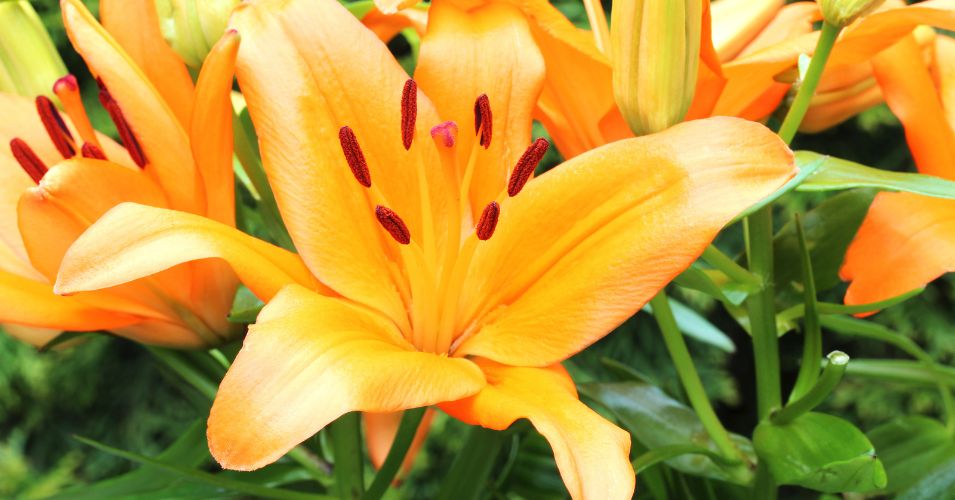
Daylilies are a favorite in many gardens because they are easy to grow, reliable, and packed with colorful blooms. While they look beautiful on their own, they make an even bigger impact when paired with the right companion plants.
A thoughtful mix of perennials, shrubs, grasses, and annuals adds texture, extends seasonal color, and keeps the garden looking attractive long after the daylilies have finished flowering.
This guide highlights the best companion plants for daylilies and shares simple tips for creating a flower bed that feels balanced, colorful, and interesting from spring through fall.
Why Companion Planting Makes Daylilies Shine
Daylilies rarely need help stealing the spotlight, but they look far more impressive when they share a garden bed with the right neighbors. A thoughtful mix of plants keeps the space interesting before the first buds appear and long after the last flowers have faded.
Instead of relying on a single plant to carry the entire display, companion planting creates a landscape that changes naturally with the seasons.
That is especially important because every daylily bloom lives up to its name. Each flower lasts for only a day before making room for the next one. Although a healthy plant can bloom for weeks, there comes a time when the colorful display begins to slow. Well-chosen companion plants make sure the border never feels unfinished.
Hostas are a perfect example. Their bold leaves add a distinct texture that makes the narrow, arching foliage of daylilies stand out even more. After flowering has ended, those large leaves continue to fill the bed with rich color and structure.
Companion planting can also make everyday maintenance simpler. Plants that enjoy similar amounts of sunlight and moisture are easier to care for because they can all follow the same watering and feeding routine. That means less guesswork and a healthier garden overall.
Flowers that attract pollinators are another smart addition. Salvia blooms for an extended period, drawing bees and butterflies into the garden while adding vertical color between clumps of daylilies. The movement of visiting insects brings extra life to the planting, making it feel active instead of static.
Adding taller flowers such as Coneflowers changes the overall shape of the border without making it crowded. Their upright stems rise above the mounds of daylily foliage, creating layers that catch the eye from every angle.
The best companion plantings never look forced. They give each plant room to show its strengths while making the entire garden feel fuller, brighter, and more inviting.
Perennials That Pair Beautifully with Daylilies
Perennials are a natural match for daylilies because they settle into the garden for the long term. As the years pass, the planting becomes fuller and more balanced without needing to be redesigned every season. The secret is choosing plants that bloom at different times and offer more than just flowers.
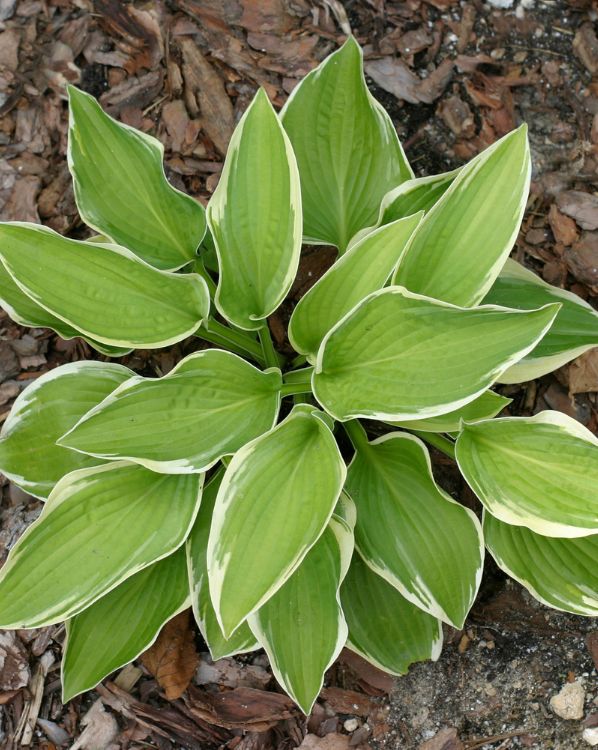
If your garden includes partial shade, Hostas deserve a place nearby. Their wide leaves create a bold contrast against the slender foliage of daylilies, giving the border a more layered appearance. Even after summer flowers fade, hostas continue to look fresh and attractive, helping the bed hold its shape.
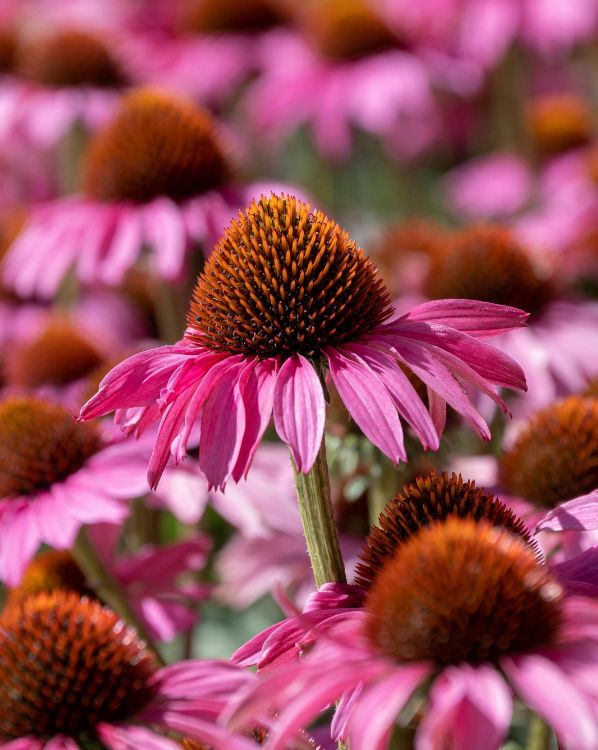
For bright color later in the season, Coneflowers are hard to beat. Their sturdy stems rise well above the surrounding foliage, adding height without overwhelming nearby plants. They also continue attracting bees and butterflies long after many other flowers have finished blooming, making the garden feel lively well into late summer.
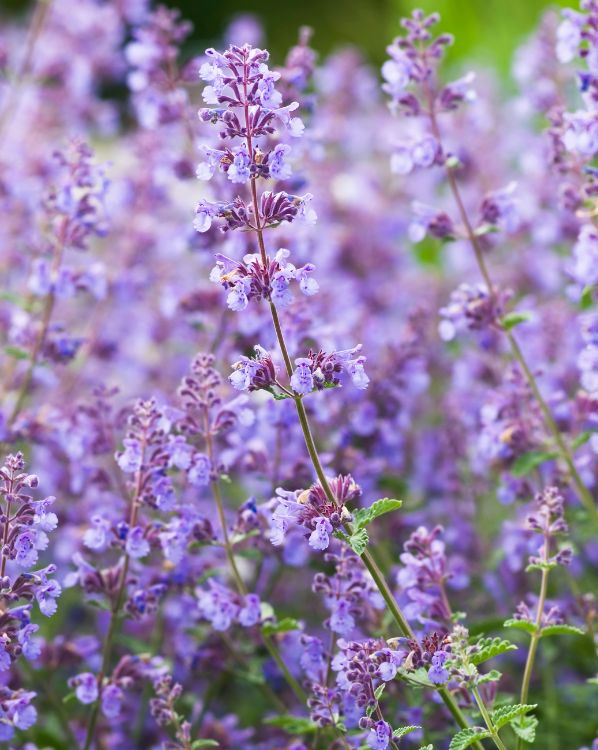
Gardeners who enjoy softer colors often pair daylilies with Catmint. Its relaxed habit spills gently along the front of borders, while its lavender-blue flowers create a pleasing contrast with warmer shades of yellow, orange, and red. The silvery foliage is attractive even when the plant is not flowering, adding another layer of interest.
It is worth leaving enough space between plants when you first plant them. Young perennials can look small, but most spread steadily over time. Giving each one room to mature improves air circulation and reduces the need for frequent dividing.
A well-planned perennial border only gets better with age. As each plant settles in, the combination becomes more natural, more colorful, and easier to maintain, allowing the daylilies to shine without carrying the entire display on their own.
Shrubs, Grasses, and Annuals That Complete the Picture
Daylilies do plenty of the heavy lifting in a flower bed, but they are not meant to do everything. Once you introduce a few shrubs, ornamental grasses, and annual flowers, the planting begins to feel more complete.
Each group brings something different, whether that is year-round structure, movement, or a steady supply of blooms when other plants take a break.
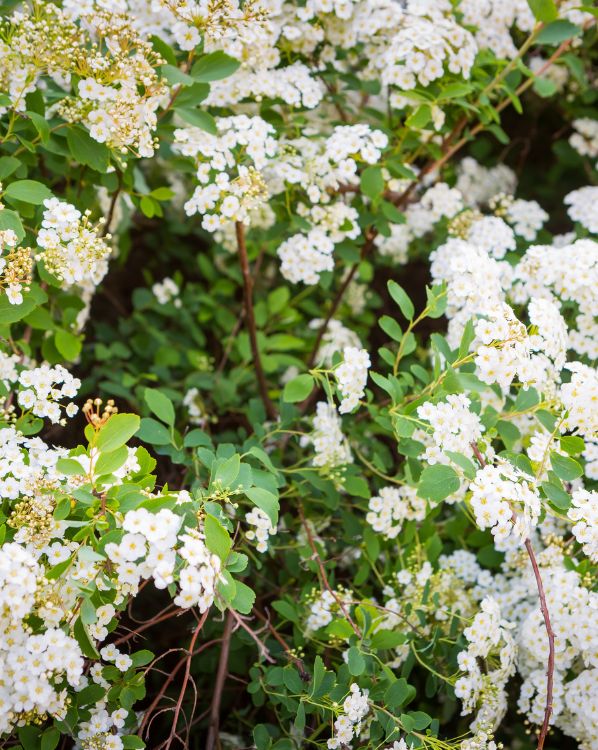
A compact shrub such as Spirea gives the border a reliable framework. Even before the daylilies begin to flower, their neat shape adds definition to the planting. During its blooming period, clusters of flowers add another layer of color, and once they fade, the shrub still helps the bed look full rather than empty.
Movement is another detail that is easy to overlook until it is missing. Feather Reed Grass catches even the lightest breeze, adding life to the garden on still summer days.
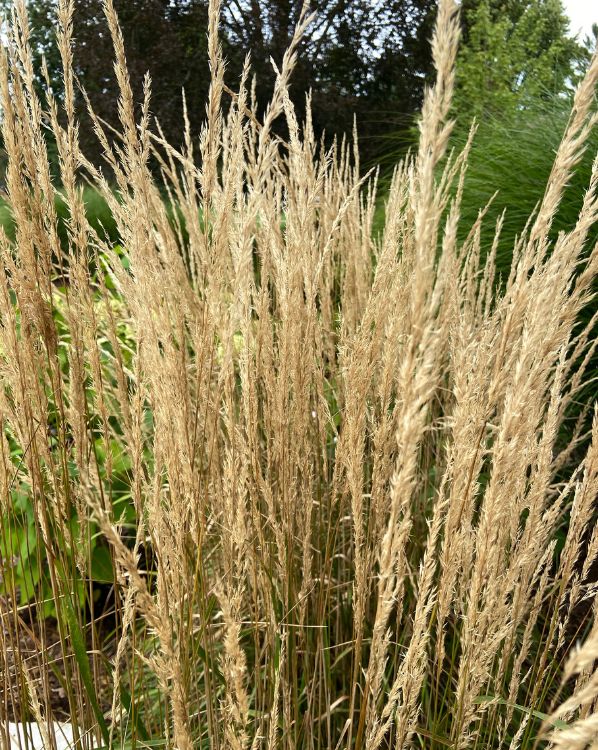
Its upright form contrasts nicely with the fountain-like foliage of daylilies, preventing everything from blending into a single uniform mass. As autumn arrives, the seed heads continue to provide interest when many flowering plants are slowing down.
Annuals are useful because they can be changed from year to year without redesigning the entire bed. Sweet Alyssum works especially well along pathways and border edges, where its low-growing habit softens the planting and fills small gaps between larger perennials.
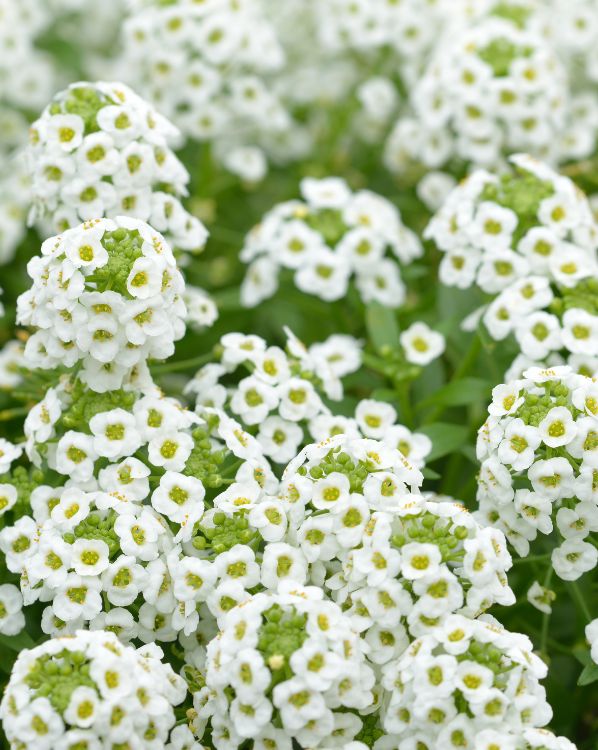
Its long flowering season also helps keep the display colorful while other plants are still waiting to bloom.
The temptation is often to keep adding more varieties, but that rarely improves the result. Repeating a few carefully chosen plants usually creates a stronger display than filling every space with something different. The garden feels calmer, more cohesive, and easier to appreciate from a distance.
Designing a Garden Bed with Lasting Color and Texture
Some of the most attractive gardens are not the ones with the biggest flowers. They are the ones that still catch your attention after the main bloom season has passed. That comes down to planning for more than color alone.
Daylilies naturally become the focal point while they are flowering, but they should not be the only feature worth noticing. Surrounding them with plants that offer interesting foliage or different growth habits keeps the border looking lively even between flowering periods.
One of the easiest ways to achieve this is by varying plant height. Taller plants belong near the back, medium-sized plants fill the middle, and lower growers soften the front edge. This simple arrangement allows every plant to be seen without competing for space.
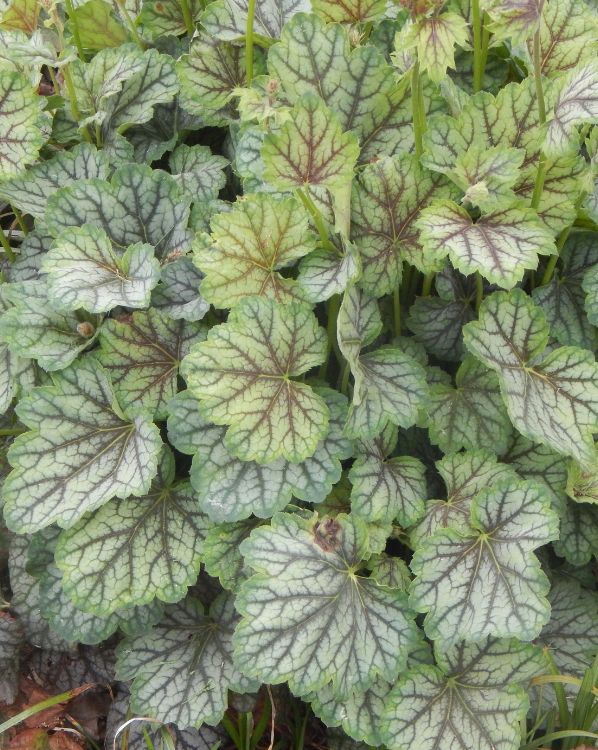
Leaf shape is just as important as flower color. The fine blades of Blue Fescue create a completely different look beside the arching leaves of daylilies, while the broad foliage of Coral Bells introduces another layer of contrast.
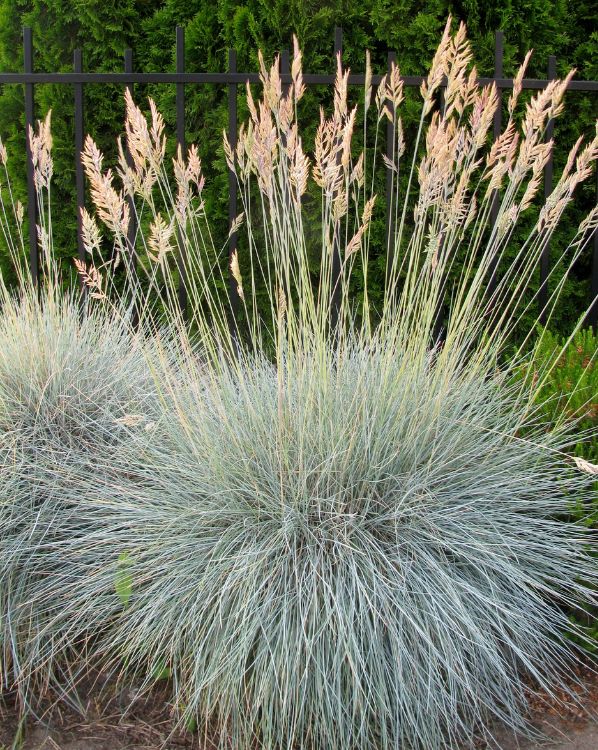
Those differences may seem subtle on paper, but together they give the planting much more character.
Spacing deserves a little patience as well. Freshly planted beds often look too open, encouraging gardeners to squeeze in extra plants. A year or two later, everything has grown together, and the border becomes difficult to maintain. Leaving room from the beginning allows each plant to develop naturally without constant dividing or pruning.
No garden stays exactly the same from one season to the next, and that is part of its appeal. Watching plants settle in, noticing which combinations work best, and making small adjustments over time often leads to a border that looks effortless, even though every change has been carefully considered.
Common Companion Planting Mistakes to Avoid
A little planning goes a long way when choosing companion plants for daylilies. Many disappointing garden beds are not the result of poor plant choices. They come from overlooking how those plants will grow over the next few years.
One of the most common mistakes is planting everything too close together. Freshly planted perennials often leave empty spaces, which can make the border look unfinished. Filling every gap may seem like the right solution, but those spaces disappear surprisingly quickly. Before long, plants begin competing for light and air, making the border feel crowded instead of lush.
Another mistake is choosing companions based only on flower color. Matching yellow with yellow or pink with pink might sound appealing, but gardens become far more interesting when different leaf shapes and plant forms are mixed. The graceful leaves of daylilies stand out much more when they are surrounded by contrasting textures rather than more of the same.
Growing conditions deserve just as much attention. A plant that loves damp soil or deep shade is unlikely to thrive beside daylilies that prefer sunny, well-drained locations. Even beautiful combinations can become frustrating if one plant is constantly struggling while the other grows happily.
Many gardeners also overlook what happens after the daylily flowers disappear. If every companion blooms at the same time, the border can look surprisingly plain for the rest of the season. Including plants with attractive foliage or later flowering periods keeps the display looking fresh long after the main show has ended.
There is also no need to squeeze every favorite plant into one bed. Repeating a handful of dependable companions usually creates a stronger design than filling the space with dozens of different varieties. The border feels calmer, and each plant has a chance to stand out instead of competing for attention.
The best gardens rarely come together in a single season. Small changes, patient observation, and a willingness to move plants when necessary often produce the most satisfying results.
Final Thoughts
Daylilies are easy to appreciate on their own, but they become part of something much bigger when they are planted alongside the right companions. A mix of perennials, shrubs, ornamental grasses, and annuals keeps the garden interesting long after the last daylily bloom has faded.
There is no single formula that works for every landscape. Sunlight, soil, and personal style all play a part in deciding which plants belong together. Start with a few reliable companions, give them room to grow, and see how the planting develops over time.
The most inviting gardens are rarely the most complicated. They are the ones where every plant has a purpose, and the whole border feels as though it belongs together. With a little planning, your daylilies can become the centerpiece of a garden that looks beautiful from one season to the next.