
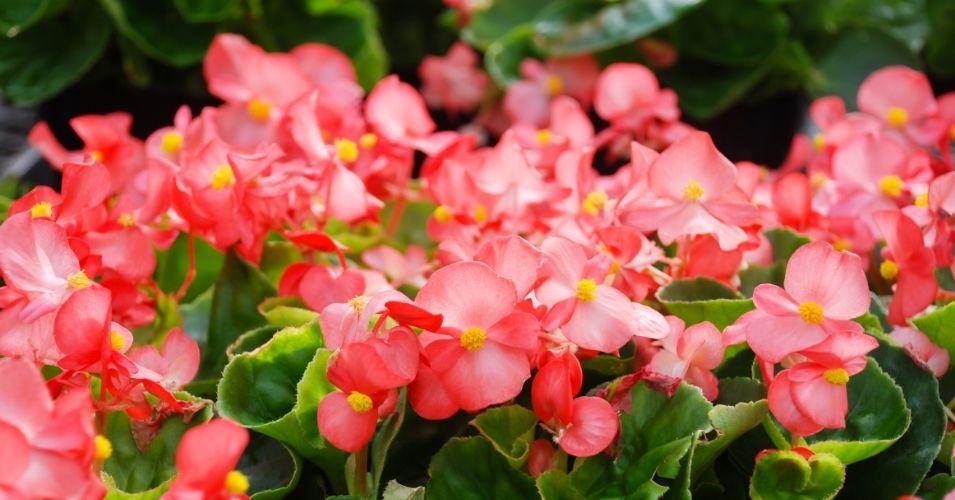
Caring for begonias in summer can feel both exciting and a little tricky, especially as the heat rises and the sun intensifies.
These beautiful plants are known for their vibrant flowers and striking foliage, but they do need the right balance of light, water, and attention to truly thrive.
Whether you are growing them indoors or outdoors, understanding how they respond to summer conditions can make all the difference.
In this guide, you will learn simple and practical ways to keep your begonias healthy, happy, and looking their best throughout the summer months.
The Best Location for Begonias in Summer
Where you place your begonias during summer can shape how well they grow and how often they bloom.
These plants love light, but not the kind that burns. Direct midday sun can be too harsh, especially during the hottest weeks, and it may leave leaves faded or scorched. A spot with bright but indirect light is usually the safest choice.
Morning sunlight works very well for most begonias. It gives them enough energy to grow strong without exposing them to intense afternoon heat. If you are growing them outdoors, try placing them where they receive gentle sun early in the day and shade later. Placing a tree, a shaded patio, or taller plants can create a comfortable environment.
Indoor begonias also benefit from thoughtful placement. A window that faces east or north often provides the right balance. South-facing windows can work too, but you may need a thin curtain to soften the light. If the leaves begin to look pale or develop dry edges, that is often a sign that the light is too strong.
Air circulation matters more than many people expect. A space with steady airflow helps reduce moisture buildup on leaves, which lowers the risk of fungal issues. At the same time, avoid placing begonias in areas with strong winds, as this can dry them out quickly and stress the plants.
Temperature plays a role as well. Begonias prefer warm conditions but do not enjoy extreme heat. Keeping them in a spot where temperatures stay fairly stable will help them maintain steady growth.
If you notice drooping during the hottest part of the day, it may be time to shift them to a cooler location.
With the right placement, begonias can thrive without constant adjustments. A well-chosen spot creates a strong foundation for the rest of your summer care routine.
Soil and Drainage That Keep Roots Healthy
Healthy begonias start below the surface, where roots need the right balance of moisture and air.
Soil that holds too much water can quickly lead to root problems, while soil that dries out too fast can leave the plant stressed. Finding the right mix is key to steady growth.
A light and airy potting mix works best for begonias. Standard indoor plant soil can be a good base, but it often benefits from a few adjustments.
Adding materials like perlite or coarse sand helps improve drainage and prevent the soil from compacting. This allows water to move through the pot more easily while still holding enough moisture for the roots.
Containers also play an important role. Pots must have drainage holes at the bottom so excess water can escape. Without this, water collects at the base, creating conditions that can damage the roots. Even a well-balanced soil mix cannot compensate for a pot that traps water.
It is important to pay attention to how the soil feels over time. After watering, the top layer should dry slightly before the next round. If the soil stays soggy for days, it may need better drainage. On the other hand, if it becomes dry too quickly, you may need a mix that holds a bit more moisture.
Repotting can help refresh the soil and give roots more space to grow. Summer is a good time for this if the plant shows signs of being root-bound, such as slow growth or water running straight through the pot. Fresh soil provides new nutrients and improves structure.
Strong roots support healthy leaves and flowers above the surface. By focusing on soil quality and proper drainage, you give begonias the stability they need to thrive throughout the summer season.
How to Water Begonias During Hot Weather
Summer heat affects how quickly soil dries, so your watering routine needs to adjust as temperatures rise.
Begonias do not like to sit in soggy soil, but they also struggle when they become too dry. The goal is to keep the soil evenly moist without letting it stay wet for long periods.
The best way to judge when to water is by checking the top layer of soil. If it feels dry to the touch, it is usually time to water again. During hot weather, this may happen more often than usual, especially for plants in small pots or those placed outdoors.
Instead of watering on a strict schedule, let the plant guide you.
When you water, do it thoroughly. Give enough water so that it flows out through the drainage holes at the bottom of the pot. This ensures that the roots receive moisture evenly. Light surface watering can leave deeper roots dry, which weakens the plant over time.
Morning is the ideal time to water begonias. This allows excess moisture on leaves or soil to dry as the day warms up. Watering late in the evening can leave the plant damp overnight, which may encourage fungal issues.
It is also important to keep water off the leaves when possible. Begonia leaves can be sensitive, and standing water may lead to spots or damage. Pour water directly onto the soil rather than over the plant itself.
During extreme heat, begonias may need a little extra attention. If you notice wilting during the day but recovery in the evening, it may be a sign that the plant needs more consistent moisture. A layer of mulch on top of the soil can help retain moisture and reduce how quickly the soil dries out.
With a balanced approach, you can keep your begonias hydrated without putting them at risk. Careful watering supports strong roots and steady growth through the hottest part of summer.
Ways to Boost Flower and Leaf Growth
Healthy begonias can produce a steady display of blooms and vibrant foliage throughout summer, but they need the right support to perform at their best. Encouraging both flowers and leaves starts with consistent care and a few simple habits.
Feeding your begonias gives them the nutrients they need to grow. A balanced liquid fertilizer works well when applied every couple of weeks during the growing season. This helps maintain energy for both leaf development and flower production.
Too much fertilizer, however, can lead to more leaves than flowers, so it is important to follow the recommended amounts.
Regular pruning can make a noticeable difference. Removing faded flowers helps the plant focus its energy on new blooms rather than maintaining old ones. Trimming leggy or weak stems also encourages fuller growth and a more compact shape.
Light plays a major role in how well begonias bloom. If a plant produces many leaves but few flowers, it may need a bit more brightness. Moving it to a slightly lighter spot, while still avoiding harsh sun, can encourage better flowering.
Humidity can also support lush growth. Begonias often prefer moderate humidity, which helps keep leaves soft and healthy. If the air is very dry, placing a tray of water near the plant or grouping plants can create a more comfortable environment.
Consistency is one of the most important factors. Sudden changes in watering, light, or temperature can slow growth and reduce blooming. Keeping conditions steady allows the plant to focus on producing strong leaves and vibrant flowers.
By combining proper feeding, careful pruning, and the right environment, you can help your begonias reach their full potential. With the right attention, they can remain full, colorful, and lively all summer long.
Common Summer Problems and How to Avoid Them
Even with good care, begonias can run into a few challenges during the summer months. Heat, moisture, and changing conditions can create the perfect environment for problems to appear.
The good news is that most of these issues are easy to manage once you know what to look for.
One of the most common problems is leaf damage caused by excessive direct sunlight. Leaves may develop brown edges or faded patches when exposed to intense light.
Moving the plant to a spot with softer light usually solves this quickly. Watching how the sun shifts during the day can help you choose a better long-term location.
Overwatering is another frequent issue. When soil stays wet for too long, roots can begin to rot. Signs include yellowing leaves and a general drooping appearance. Improving drainage and allowing the top layer of soil to dry before watering again can prevent this.
Pests can also become more active in warm weather. Aphids, spider mites, and whiteflies may appear on leaves or stems. Checking plants regularly helps catch these early.
A gentle rinse with water or mild insecticidal soap can keep infestations under control without harming the plant.
Fungal problems sometimes develop when humidity is high and air circulation is low. You might notice spots on leaves or a powdery coating.
Keeping space between plants and ensuring airflow can reduce the risk. Watering at the base instead of over the leaves also helps limit moisture buildup.
Stress from sudden temperature changes can slow growth or cause buds to drop. Try to keep conditions as stable as possible, especially during heat waves or cooler nights.
By staying alert and making small adjustments, you can prevent most summer problems before they become serious. Healthy begonias are much more resilient and can recover quickly when given the right care.
Final Thoughts
Begonias can bring color and life to any space during summer when their needs are met with care and consistency.
A good location, balanced watering, and healthy soil all work together to support strong growth. Small actions, like removing old blooms or checking for pests, can make a big difference over time.
Paying attention to how your plant responds is one of the most valuable habits you can build. Each begonia may react a little differently depending on its environment, so learning its patterns will help you adjust your care routine with confidence.
With patience and regular attention, begonias can thrive throughout the season. Their vibrant leaves and flowers are well worth the effort, rewarding you with a display that lasts all summer long.