

Lilacs have been a favorite in gardens for generations, thanks to their fragrant flowers and reliable spring display. While they look beautiful on their own, they become even more impressive when surrounded by the right companion plants.
A thoughtful mix of flowers, shrubs, bulbs, and ground covers can keep the garden looking fresh long after the lilac blooms have faded. The best combinations also attract pollinators, add texture, and create a natural flow through your landscape.
Whether you are starting a new garden or refreshing an established border, choosing the right companions will help your lilacs look their very best year after year.
Why Companion Planting Makes Lilacs Even Better
Lilacs have no trouble attracting attention when they burst into bloom each spring, but they can look a little plain once those flowers disappear.
Companion planting keeps the garden looking full and colorful by surrounding lilacs with plants that take over at different times of the year. Instead of a single brief highlight, you get a landscape that changes from spring to fall.
A well-planned combination also adds depth to your planting beds. Lilacs provide height and structure, while lower-growing plants soften the ground beneath them. Flowers with varied shapes, leaf textures, and colors prevent the space from feeling flat, even when the lilacs are not in bloom.
Companion planting is not only about appearance. Many plants that thrive alongside lilacs enjoy the same growing conditions, including full sun and well-drained soil. That means you are not trying to satisfy completely different watering or maintenance needs within the same garden bed. Once everything is established, caring for the area becomes much more straightforward.
There is another benefit that is easy to overlook. A wider variety of flowering plants attracts bees, butterflies, and other pollinators over a longer period.
Lilacs offer an early feast in spring, then nearby companions continue providing nectar after the shrubs have finished blooming. This steady supply encourages beneficial insects to spend more time in your garden.
Good companion planting also helps bridge the gap between seasons. Early bloomers can brighten the garden before lilacs open, while summer flowering plants keep the display going once the shrubs have faded. As autumn approaches, attractive foliage and ornamental seed heads can provide one final burst of interest before winter arrives.
The result is a garden that feels complete rather than seasonal. Lilacs remain the main attraction when they flower, but the surrounding plants ensure there is always something worth noticing, even after the famous fragrance has faded.
Perennials That Pair Beautifully with Lilacs
Perennials are some of the easiest companions to grow with lilacs because they come back every year and fit naturally into the same sunny conditions.
They also help fill the quiet period after the lilacs have finished flowering, keeping the border lively instead of leaving empty spaces around the shrubs.
Peonies are one of the best choices. Their large, layered blooms often appear around the same time as lilacs, creating a classic spring display that never goes out of style.
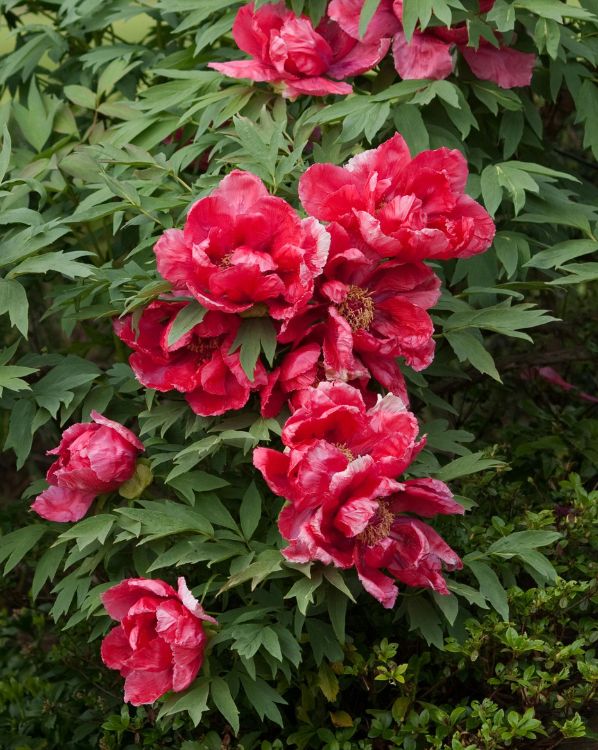
The flowers add extra color without competing for attention, and their lush foliage remains attractive long after the blooms have faded. Planting peonies a short distance from the base of a lilac gives both plants enough room to mature while creating a full, balanced look.
Catmint is another reliable partner. Its soft sprays of blue-to-purple flowers bloom much longer than lilacs, often continuing well into summer with a little trimming.
The relaxed growth habit contrasts nicely with the upright shape of a lilac shrub, giving the planting a more natural feel. Bees are especially fond of catmint, so it adds movement and color throughout the season.
These two perennials complement lilacs in different ways. Peonies create a spectacular display during spring, while catmint keeps the garden looking fresh after the lilac flowers have dropped. Together they stretch the season without making the planting feel crowded or overdone.
When adding perennials around lilacs, resist the temptation to fill every gap. Giving each plant enough room allows air to circulate and prevents the border from becoming congested as everything matures.
A little patience pays off, as the planting will become fuller and more impressive with each passing year.
Shrubs That Grow Well Alongside Lilacs
Pairing lilacs with other shrubs can make a garden feel more established without taking attention away from the spring blooms. The trick is to choose varieties that flower at different times, so there is always something happening along the border.
As one shrub finishes its display, another begins, keeping the space attractive for much longer than lilacs could manage on their own.
Spirea is one of the easiest shrubs to combine with lilacs. Many varieties begin flowering shortly after lilacs fade, producing clusters of small blooms that cover the branches for weeks.
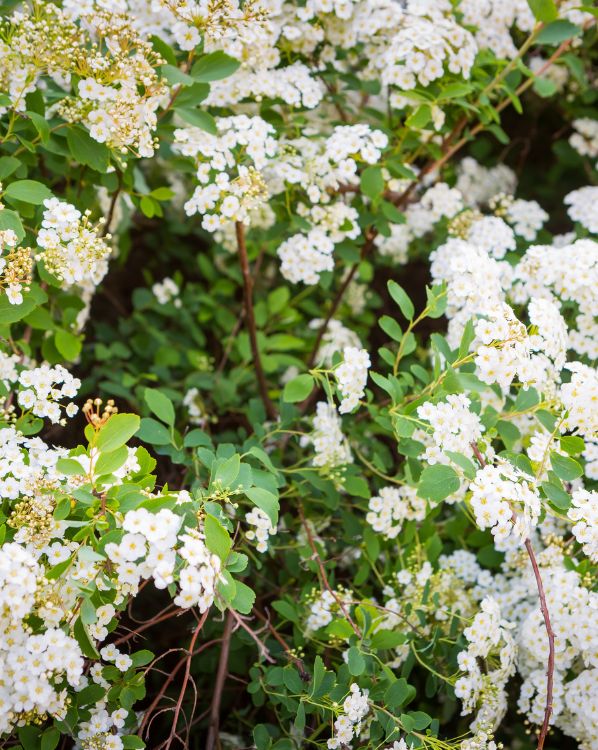
Their compact size makes them easy to tuck into mixed borders, and the fine foliage provides a nice contrast to the larger leaves of lilacs. Some types also develop brilliant shades of orange and red in autumn, giving the planting another burst of color later in the year.
If you want to attract more pollinators, weigela is well worth considering. Its funnel-shaped flowers appear in late spring and early summer, drawing bees, butterflies, and hummingbirds into the garden.
The gently arching branches also soften the strong upright form of lilacs, creating a more relaxed planting that looks as though it has grown together over time. With plenty of pink, red, and white varieties available, matching the colors to your lilacs is easy.
For gardeners who value fragrance as much as flowers, mock orange is hard to beat. Its crisp white blossoms release a sweet citrus scent that arrives just after many lilacs have finished blooming.
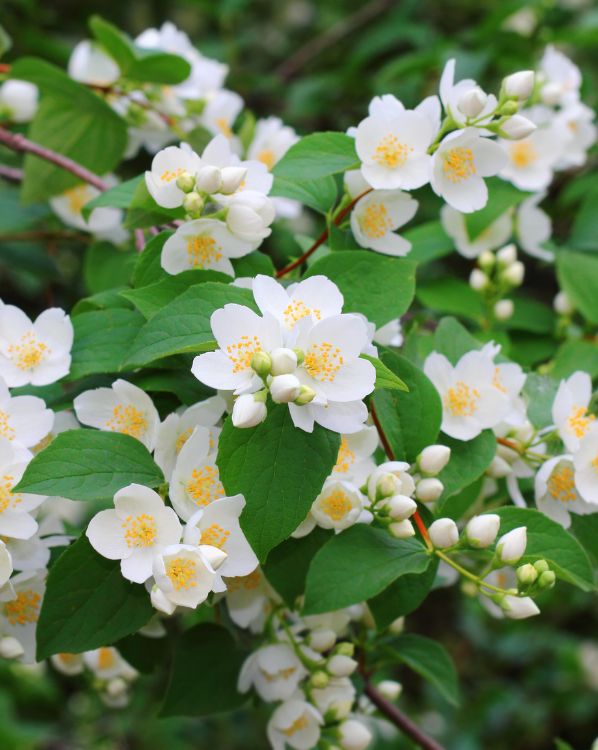
Planting the two shrubs near a patio or pathway means you can enjoy weeks of perfume rather than just a short burst in early spring. Together they create a garden that appeals to more than just the eye.
When choosing companion shrubs, remember that patience pays off. They may seem small when first planted, but a few growing seasons can completely transform the space.
Allowing enough space between shrubs helps them develop naturally without becoming crowded.
Bulbs and Spring Flowers That Complement Lilacs
By the time lilacs begin filling the air with their unmistakable fragrance, many spring bulbs are already putting on a show.
Mixing the two creates a natural sequence of blooms, so there is never a moment when the garden feels empty. As one group of flowers starts to fade, another steps forward, keeping the display fresh from the first signs of spring.
Daffodils are a classic choice for planting around lilacs. Their bright flowers appear early, bringing welcome color while the lilac branches are still covered in swelling buds.
Yellow varieties create cheerful contrast against purple lilac blooms, while white daffodils produce a softer, more elegant look. They are also dependable plants that return year after year with very little attention.
Tulips offer even more opportunities to play with color. Deep purple cultivars echo the shades found in many lilacs, while pink, cream, and white selections brighten the border without overpowering it.

Rather than planting single bulbs here and there, group them in generous clumps. The effect is far more natural and gives the impression that the flowers belong together.
One advantage of spring bulbs is that they finish much of their growing cycle before lilacs reach full size. As the shrubs leaf out, they help hide the yellowing foliage of the bulbs as it dies back naturally.
That means you can leave the leaves in place to feed next year’s flowers without spoiling the garden’s overall appearance.
A combination of daffodils, tulips, and lilacs captures everything people love about spring. Bright color arrives first, followed by spectacular blooms and unmistakable fragrance. It is a simple pairing, but one that never goes out of style.
Ground Covers and Ornamental Grasses for a Finished Look
After choosing the main companion plants, it is worth paying attention to what happens at ground level. Empty soil around lilacs can make even a well-designed border look incomplete.
Ground covers and ornamental grasses help tie everything together, filling awkward gaps while adding another layer of texture that changes throughout the seasons.
Creeping phlox is a popular choice because it bursts into flower just as spring gardens come to life. Its dense mat of blooms spreads across the front of borders, creating a colorful base beneath lilacs without competing for attention.

Once the flowers fade, the evergreen foliage continues to cover the soil, giving the planting a tidy appearance for the rest of the year.
For a different look, creeping thyme offers soft greenery and clusters of tiny flowers that are highly attractive to bees. It works particularly well along paths or between stepping stones, where the lightly scented foliage can be enjoyed up close.
Because it stays low to the ground, it frames lilacs rather than hiding them, making the shrubs feel even more prominent when they bloom.
To break up the sea of flowers, add an ornamental grass such as feather reed grass.
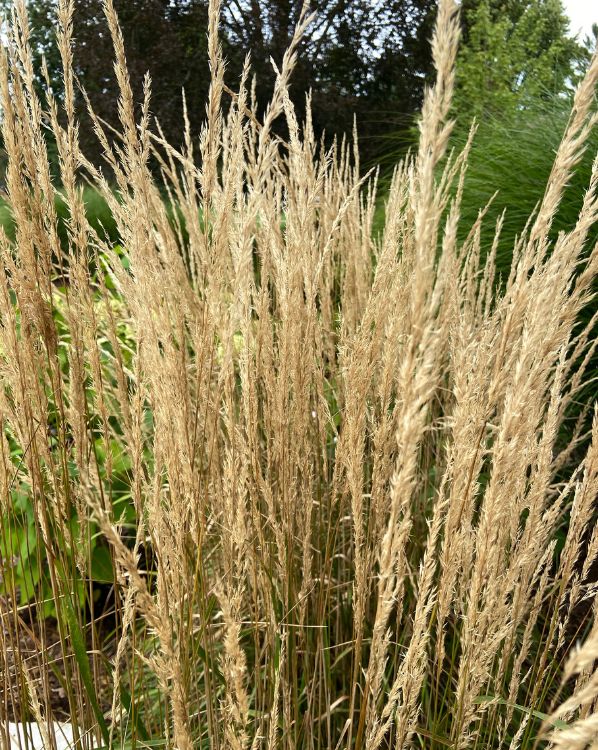
Its narrow leaves and upright flower spikes introduce a completely different texture, which keeps the border from feeling too uniform. Even after summer has passed, the golden stems remain standing, bringing shape and movement to the garden during autumn and into winter.
These finishing touches may seem minor at first, but they have a big influence on the overall effect.
Instead of separate plants growing near one another, the border begins to feel connected from front to back. Every layer has a purpose, and the lilacs remain the focal point without leaving bare spaces around their base.
Final Thoughts
A beautiful lilac planting is about more than one spectacular burst of spring flowers. By surrounding these shrubs with carefully chosen companions, you can enjoy color, fragrance, and texture for much longer than the lilac season alone.
Perennials keep the display going after the blossoms fade, flowering shrubs add another wave of interest, and spring bulbs provide an early splash of color before the lilacs take center stage. Ground covers and ornamental grasses complete the picture by filling the spaces that often go unnoticed.
The best companion plant combinations are the ones that feel balanced rather than crowded. Give every plant enough room to grow, choose varieties with similar needs, and let each one contribute something different to the garden.
Over time, the planting will settle into a landscape that looks natural, changes with the seasons, and gives your lilacs an even greater chance to shine.