
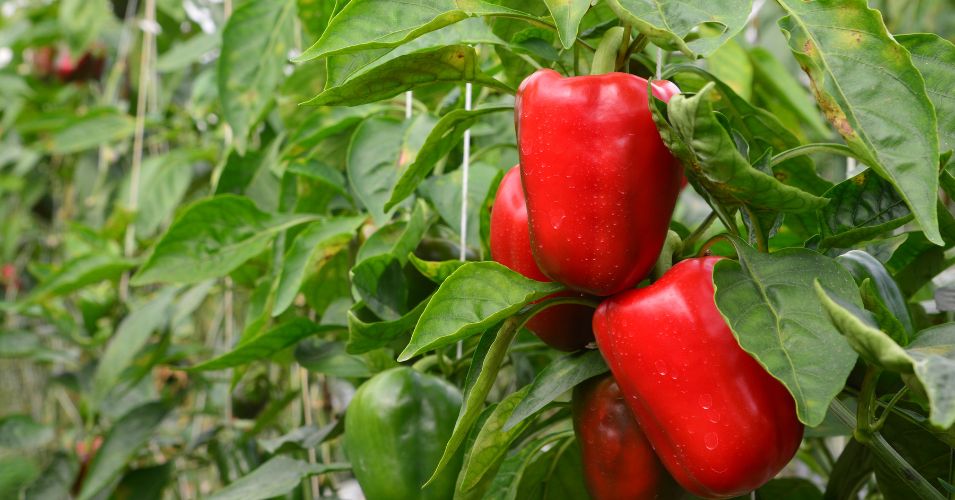
If you have grown bell peppers before, you already know that summer can be a rewarding time in the garden. Healthy plants quickly fill with flowers and fruit, and before long you are picking peppers for salads, stir-fries, and countless other meals.
Of course, summer is not always perfect for peppers. A week of intense heat, inconsistent watering, or a sudden pest problem can slow growth and affect the harvest. The good news is that most of these issues are easy to avoid with the right care.
This guide covers the simple steps that help bell peppers stay healthy throughout the hottest months of the year. From watering and feeding to protecting plants from heat and pests, these tips will help you enjoy a productive harvest right through to the end of the season.
Summer Heat Can Help or Hurt Your Bell Peppers
Summer is when bell peppers really come into their own. Warm days and plenty of sunshine encourage plants to grow quickly, produce flowers, and begin filling out their fruit. If the weather stays fairly steady, your plants will usually reward you with a long harvest that lasts well into late summer.
That does not mean hotter is always better.
Once temperatures climb into extreme territory, bell peppers begin to struggle. Instead of putting energy into new fruit, the plant focuses on surviving the heat. One of the first signs is flower drop. Blossoms appear healthy but fall off before peppers have a chance to develop. This is a common sight during heatwaves and usually is not a reason to panic. As temperatures become more comfortable, flowering often resumes.
The fruit itself can also suffer from intense sunshine. Peppers exposed to strong afternoon light sometimes develop pale patches that later become soft or papery. This condition, known as sunscald, affects the fruit’s quality even though the rest of the plant may look healthy. Keeping a full canopy of leaves helps protect developing peppers, so avoid heavy pruning during summer.
If your garden receives relentless afternoon sun, a little shade can go a long way. A piece of shade cloth or even a temporary garden umbrella can reduce stress without leaving plants in complete shade. Bell peppers still need several hours of direct sunlight each day, but they appreciate a break when temperatures soar.
Healthy roots also make a noticeable difference. Applying a layer of organic mulch helps keep the soil cooler while slowing moisture loss. As a bonus, mulch reduces weed growth, meaning less competition for water and nutrients.
You cannot change the weather, but you can help your plants cope with it. Paying attention during hot spells often makes the difference between peppers that survive and peppers that continue producing fresh fruit throughout the season.
Watering Habits That Keep Bell Peppers Thriving
Many gardeners think watering is simply a matter of grabbing the hose whenever the soil looks dry. Bell peppers are a little more particular than that. They perform best when moisture stays steady instead of swinging between soaking wet and bone dry.
Deep watering is usually the better approach. Rather than sprinkling the surface every day, give the soil enough water to reach the roots. This encourages the root system to grow deeper, helping plants stay strong when the weather turns hot. Shallow watering often creates shallow roots, which dry out much faster.
There is no perfect watering schedule because every garden is different. Sandy soil dries faster than clay, containers lose moisture more quickly than garden beds, and a windy week can change everything. Instead of following the calendar, check the soil. If it feels dry a couple of inches below the surface, it is time to water.
Morning is the ideal time to do the job. The cooler temperatures allow water to soak into the ground before the afternoon heat arrives. Plants also have time to dry off, which lowers the chance of fungal problems developing on damp leaves.
Container-grown peppers deserve extra attention during summer. Their soil warms up quickly, especially in dark pots that sit in full sun. During very hot weather, they may need watering every day. Garden plants, on the other hand, often stay moist for much longer because their roots can spread into cooler soil below the surface.
One of the easiest ways to make watering more effective is to add mulch around the base of each plant. It slows evaporation, keeps the soil temperature more even, and means you spend less time reaching for the watering can.
A consistent watering routine does more than keep plants alive. It encourages steady growth, supports better fruit development, and helps produce firm, flavorful bell peppers that are ready to harvest throughout the summer.
The Secret to Healthy Soil and Strong Growth
If bell peppers seem slow to grow or produce disappointing fruit, the soil is often where the problem begins. Healthy plants depend on healthy roots, and roots perform best when they have plenty of air, moisture, and nutrients. Get those three things right, and your peppers have a strong foundation for the rest of the season.
Bell peppers grow best in well-draining soil that does not dry out the moment the sun comes out. If water sits around the roots after heavy rain, growth can stall, and root problems become more likely. On the other hand, soil that dries too quickly forces plants to deal with constant stress. Mixing compost into the planting area helps create a balance by improving both drainage and moisture retention.
Summer is also when pepper plants begin using more nutrients as fruit develops. Feeding them every few weeks with a balanced fertilizer keeps growth steady. Once peppers start forming, avoid products that contain excessive nitrogen. They often encourage plenty of leafy growth while fruit production takes a back seat.
Compost does more than feed the plants. It improves soil structure, making it easier for roots to spread. It also supports the tiny organisms that break down organic matter and release nutrients naturally. You may never see them, but they play a big part in keeping the soil productive.
Try not to disturb the ground around established plants more than necessary. Digging too close to the stems or repeatedly walking through the bed can compact the soil, making it harder for roots to grow. Pull weeds carefully and add mulch instead of constantly cultivating the surface.
Healthy soil is something you build over time rather than all at once. Every bucket of compost, every layer of mulch, and every sensible feeding helps create stronger plants. When the roots are happy, the rest of the plant usually follows, producing healthy leaves, sturdy stems, and plenty of crisp bell peppers.
How to Protect Bell Peppers From Common Summer Problems
Even well-cared-for bell peppers can run into trouble during summer. Hot weather encourages rapid growth, but it also brings hungry insects, occasional diseases, and a few surprises along the way. The good news is that most problems are much easier to deal with if you catch them early.
Instead of waiting until a plant looks unhealthy, get into the habit of checking it every few days. Lift a few leaves, look at the stems, and inspect any developing peppers. Tiny pests often appear long before they cause noticeable damage. Finding them early usually means a simple fix rather than a major battle.
Aphids are among the most common visitors. They gather on fresh growth and feed on plant sap, leaving leaves curled or sticky. Spider mites are harder to spot because they are so small, but fine webbing between leaves is often the giveaway. Whiteflies can also appear during warm weather, flying up in a cloud when disturbed. A strong spray of water is sometimes enough to reduce their numbers, while insecticidal soap can help if they continue to multiply.
Diseases are less common when plants have good airflow. Give each pepper enough space, water the soil instead of the leaves, and remove damaged foliage as soon as you notice it. These simple habits make it harder for fungal problems to take hold.
The area around your peppers deserves attention too. Weeds compete for water and nutrients while giving insects extra places to hide. Keeping the bed tidy also makes it easier to spot problems before they spread.
Do not expect every leaf to look perfect by the end of summer. A healthy pepper plant can usually cope with a little insect damage without affecting the harvest. The goal is not perfection. It is about keeping your plants healthy enough to continue producing fresh peppers until the growing season ends.
Harvest More Peppers Before the Season Ends
As summer begins to fade, your bell pepper plants can still have plenty to offer. In fact, many gardeners are surprised by how much fruit they can pick during the final stretch of the season. The key is knowing when to harvest and keeping up with basic care until cooler weather finally arrives.
Bell peppers do not have to change color before they are picked. Green peppers are fully edible, with a crisp texture and a slightly sharper flavor. If you leave them on the plant, they will gradually develop their mature color. Red, yellow, and orange peppers are usually sweeter because they have had more time to ripen.
Whether you pick peppers green or fully colored depends on what you want from your plants. Harvesting earlier often encourages the plant to set more fruit before the season ends. Leaving peppers to ripen yields sweeter vegetables, although production may slow as the plant focuses on maturing the existing crop.
When it is time to harvest, resist the temptation to twist or pull the peppers from the plant. The stems are tougher than they look, and forcing them off can damage nearby branches. A clean pair of scissors or pruning snips makes the job much easier and leaves the plant ready to keep producing.
Do not stop caring for your peppers just because the first harvest has arrived. Continue watering during dry periods, remove damaged fruit, and keep an eye out for insects that remain active until autumn. A healthy plant can keep producing new peppers for weeks if the weather stays mild.
Watch the forecast as the season comes to an end. Bell peppers do not tolerate frost, so pick every usable fruit before temperatures drop too low. Even green peppers have plenty of uses in the kitchen, and some may continue to ripen after being brought indoors.
A little extra attention during the final weeks often rewards you with one last wave of fresh peppers. It is a simple way to make the most of everything your plants have worked to produce throughout the summer.
Final Thoughts
Looking after bell peppers in summer is mostly about staying consistent. Water when the soil needs it, feed the plants without overdoing it, and deal with small problems before they have a chance to spread. None of these jobs take long, but together they have a big impact on the final harvest.
Every growing season is a little different, so do not worry if your plants face a few challenges along the way. Heatwaves, pests, and changing weather are all part of gardening. Healthy pepper plants are surprisingly resilient when they receive regular care.
By giving your plants the right conditions from the start and paying attention throughout the summer, you can enjoy a steady supply of crisp, flavorful bell peppers right through to the end of the season.