
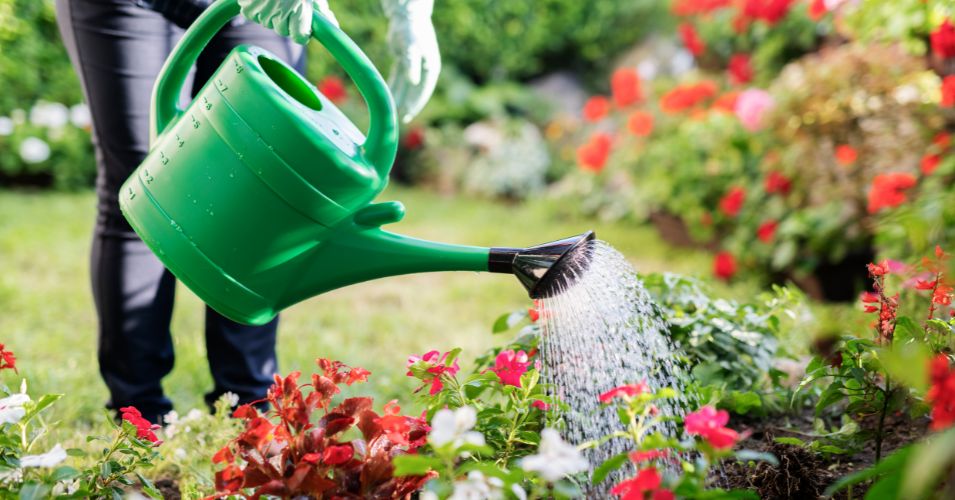
Summer often brings out the best in our gardens, but it also raises one of the most common questions gardeners ask. Should you water your plants every day?
It might seem like the safest option, especially during long periods of hot, dry weather, but more water is not always better. Some plants need frequent watering to stay healthy, while others can suffer if the soil never gets a chance to dry out.
Knowing when to water, how much to give, and which plants need the most attention will help you keep your garden thriving all summer without wasting water.
Why Daily Watering Is Not Always the Right Choice
When the weather turns hot, watering every day can seem like the obvious thing to do. Many gardeners assume more heat automatically means more water.
While that sounds logical, plants do not all work the same way. In fact, watering too often is one of the biggest reasons healthy plants begin to struggle during summer.
Roots need more than moisture to stay healthy. They also need access to oxygen in the soil. If the ground never has a chance to dry slightly, those air spaces disappear. The roots stay surrounded by wet soil for too long, making them vulnerable to rot and disease. A plant with damaged roots cannot absorb water properly, even when there is plenty available.
The kind of plant you are growing matters just as much as the temperature outside.
Tomatoes, cucumbers, and many other vegetables use a lot of water as they produce fruit. On the other hand, lavender, rosemary, succulents, and cacti are used to drier conditions. Giving every plant the same amount of water simply because it is summer often creates more problems than it solves.
Where your plants are growing also changes how quickly they dry out. Hanging baskets and small containers lose moisture much faster than plants growing in the ground. A pot sitting on a sunny patio may need water every day, while a flower bed nearby could stay moist for several days after a deep watering.
The weather itself can change your routine overnight. A week of strong sunshine and high temperatures will dry the soil quickly. A few cooler or cloudy days can slow that process down, even in the middle of summer.
Instead of following a strict schedule, treat watering as something that depends on the conditions in front of you. A deep soak when the soil is dry encourages roots to grow deeper, making plants stronger and better prepared for the next hot spell.
How to Tell When Your Plants Actually Need Water
Plants are surprisingly good at letting you know when they need attention, but you have to know what to look for. Watering out of habit is easy. Paying attention to the signs takes a little more effort, but it usually leads to healthier plants.
Start with the soil. Push your finger a couple of inches below the surface. If it still feels cool and slightly damp, leave the watering can where it is.
If the soil feels dry at that depth, it is time to water. This simple check is much more reliable than judging the top layer, which often dries out long before the roots do.
You should also watch how your plants behave throughout the day. It is common for some plants to droop during the hottest afternoon hours before standing back up once the evening cools down. That temporary wilting does not always mean they are thirsty. If they still look limp the following morning, they are much more likely to need water.
Container plants offer another useful clue. Lift the pot before and after watering a few times. You will soon notice a clear difference in weight. Once you become familiar with it, you can often tell whether a container needs watering without even looking at the soil.
Healthy growth is another good sign that your routine is working. Bright leaves, fresh shoots, and steady flowering usually mean your plants are getting what they need.
If leaves start turning yellow, developing brown edges, or dropping earlier than expected, check the soil before assuming the problem is a lack of water. Those symptoms can just as easily point to overwatering.
There is no perfect watering schedule that suits every garden. The best gardeners make small decisions based on what they see each day. Spending just a minute checking the soil and observing your plants is often enough to prevent mistakes and keep everything looking its best through the hottest weeks of summer.
Which Plants Need More Water During Summer?
Walk through your garden on a hot afternoon, and you will probably notice something interesting.
While one plant still looks fresh and full of life, another may already be showing signs of stress. That is because water needs vary far more than many people realize.
Vegetable gardens are usually the first place where extra watering becomes important. Tomatoes, cucumbers, peppers, beans, and squash all use large amounts of water as they grow and produce crops.
If they repeatedly dry out, the results are often disappointing. Tomatoes can develop blossom end rot, lettuce may turn bitter, and cucumbers can become misshapen or stop growing altogether. Keeping the soil evenly moist gives these plants the best chance to thrive.
Recently planted flowers, shrubs, and trees also deserve close attention. Their roots have not yet spread far enough to search for water deep underground, so they depend on the moisture already in the surrounding soil. Once established, many of these same plants become far more resilient and require much less care.
Potted plants are in a category of their own. Soil inside a container heats up quickly, especially when the pot sits on a patio, balcony, or sunny doorstep.
On particularly warm days, the compost can dry much faster than the soil in nearby flower beds. That does not always mean watering twice a day, but it does mean checking them more often.
Then some plants seem perfectly happy with less attention. Lavender, rosemary, ornamental grasses, and most succulents naturally cope well with dry spells. In many cases, too much water causes more damage than too little.
Instead of treating your whole garden the same, think about the individual plants growing in it. A vegetable patch, a hanging basket, and an established shrub all have very different needs.
Once you recognize those differences, watering becomes much simpler and much more effective.
Common Summer Watering Mistakes to Avoid
Summer has a way of making gardeners second-guess themselves. The forecast promises another hot day, the leaves look slightly tired, and suddenly it feels like everything needs watering.
Acting too quickly, however, often creates problems that could have been avoided.
A common mistake is reaching for the hose every evening without checking the soil first. Wet soil that never has a chance to dry slightly can deprive roots of oxygen and encourage disease. Plants may begin to yellow or wilt, leading people to add even more water when the real issue is overwatering.
Another habit that catches people out is giving plants a quick drink instead of a proper soak. The surface becomes wet, but the moisture rarely reaches the deeper roots. As a result, roots remain close to the soil surface, where they dry out more quickly. Deep watering takes a little longer, but plants reward you by becoming stronger and better able to handle hot weather.
Timing matters too. Watering during the hottest part of the day means more moisture is lost to evaporation before it reaches the roots. Early mornings are usually ideal because the soil has time to absorb the water before temperatures climb. If mornings are not possible, watering later in the day is generally a better choice than the middle of the afternoon.
It is also surprisingly easy to ignore what nature is already doing. Good rainfall can provide the moisture many gardens need for several days, especially if the soil is rich in organic matter. Sticking to a fixed watering schedule despite changing weather often wastes water and leaves plants sitting in soggy ground.
The healthiest gardens are rarely the ones that receive the most water. They are the ones cared for by gardeners who pause, check the soil, and respond to what their plants actually need, rather than following the same routine every day.
Build a Watering Routine That Works All Season
The best watering routine is one that changes as your garden changes. Summer is rarely the same from one week to the next.
Some days are cool and cloudy, while others bring relentless sunshine that dries the soil far quicker than expected. Trying to stick to the same schedule through all of that usually leads to overwatering or underwatering.
A better approach is to make checking your plants part of your daily routine instead of automatically watering them.
It only takes a minute to feel the soil, look at the leaves, and decide whether anything actually needs attention. Some days you may water several containers and leave everything else alone. On other days, you might not need to water at all.
When you do water, give the soil a proper soak. Deep watering encourages roots to grow downwards in search of moisture, making plants more resilient during hot weather. It also means you are less likely to need to water the following day again because the moisture reaches where it is needed most.
You can make the job even easier by helping the soil hold onto water for longer. A layer of mulch around flowers, vegetables, shrubs, and trees slows evaporation and keeps the ground cooler throughout the day. It is a simple step, but one that often reduces how often you need to water during long dry spells.
No routine is complete without paying attention to the weather. A decent rainfall can save you the effort of watering, while a few windy days may dry containers surprisingly quickly. Learning to adapt is far more valuable than following a timetable.
The more time you spend observing your garden, the easier watering becomes. Before long, you will know which plants need regular attention, which can wait another day, and which are perfectly happy looking after themselves.
That experience is far more useful than any fixed watering schedule.
Final Thoughts
There is no simple rule that says every plant should be watered daily in summer. Some will need regular watering during hot spells, while others are perfectly capable of coping with much less. The real secret is understanding the plants you are growing instead of treating the whole garden the same way.
Checking the soil before watering, adjusting to the weather, and giving plants a deep soak when they genuinely need it will produce better results than watering out of habit. It also helps develop stronger roots, healthier growth, and a garden that is better prepared for periods of dry weather.
In the end, successful watering is less about following a schedule and more about paying attention. Spend a little time observing your plants, and they will usually tell you exactly what they need.