
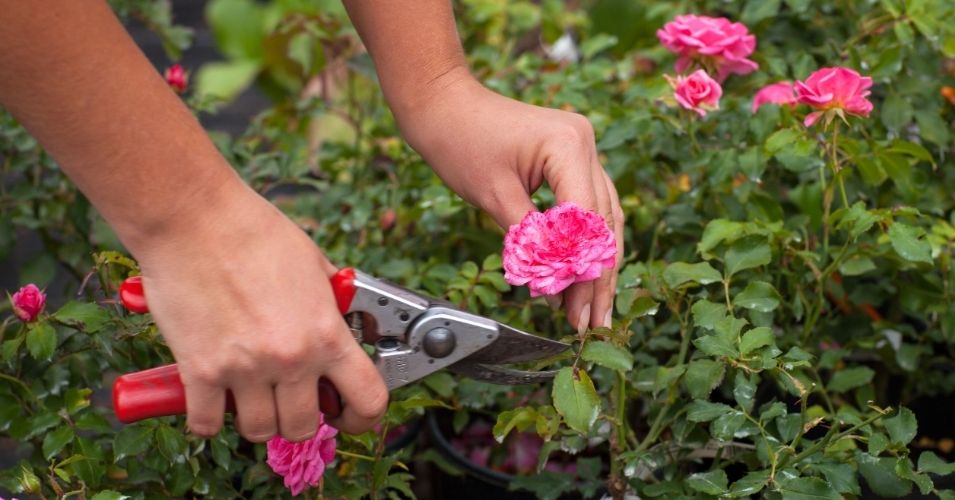
Spring brings fresh color, warmer days, and renewed energy to gardens everywhere. As flowers begin to bloom, many plants shift into active growth and prepare for long flowering seasons.
During this time, small care habits can make a big difference in how long and how well plants perform.
One of the most useful and often overlooked tasks in spring is deadheading. Removing spent flowers helps plants stay tidy, encourages new blooms, and keeps energy focused on healthy growth.
In this guide, you will learn which plants benefit most from spring deadheading and how to do it correctly.
Why Deadheading Matters in Early Spring
Deadheading is the simple practice of removing faded or spent flowers from plants. In early spring, this small task can make a powerful difference in how well your garden performs throughout the season.
When flowers fade, many plants begin forming seeds. This process uses a large amount of energy that could otherwise support new buds and healthy leaves. Once seed production begins, blooming often slows.
By removing old blooms, you redirect that energy back into growth and flowering. The plant focuses on producing more color rather than ending its life cycle too early.
Early spring is especially important because plants are just beginning their active phase. Helping them conserve energy at this stage sets the tone for months of strong performance and steady development.
Deadheading also improves appearance. Wilted petals and brown flower heads can make even healthy plants look tired. Removing them keeps beds and containers looking fresh and well-maintained.
Another benefit is improved airflow. Old flowers often trap moisture near stems and leaves. This can encourage mold and fungal disease in cool, damp spring weather.
Cleaning up faded blooms helps sunlight reach new growth. Better light exposure supports stronger stems and richer color throughout the plant.
Deadheading also allows gardeners to spot problems early. While removing flowers, you may notice pests, damaged leaves, or signs of stress. This early awareness makes it easier to correct issues before they spread.
Some plants respond very quickly to deadheading. Within days, new buds often appear near the cut area. This creates a cycle of continuous blooming that lasts much longer than untreated plants.
Spring deadheading also shapes plant growth. Removing weak or awkward stems encourages balanced development and fuller form.
Using clean, sharp tools reduces damage and speeds healing. Pinching soft stems with fingers works well for many flowers, while thicker stems may need scissors.
Timing matters as well. Deadheading should be done regularly rather than all at once. Weekly attention usually produces the best results.
With practice, deadheading becomes quick and natural. It turns into a relaxing routine rather than a chore and helps keep plants healthy. By starting early in spring, you give your garden the best chance to bloom longer and stay strong.
Annual Flowers That Bloom Longer With Regular Deadheading
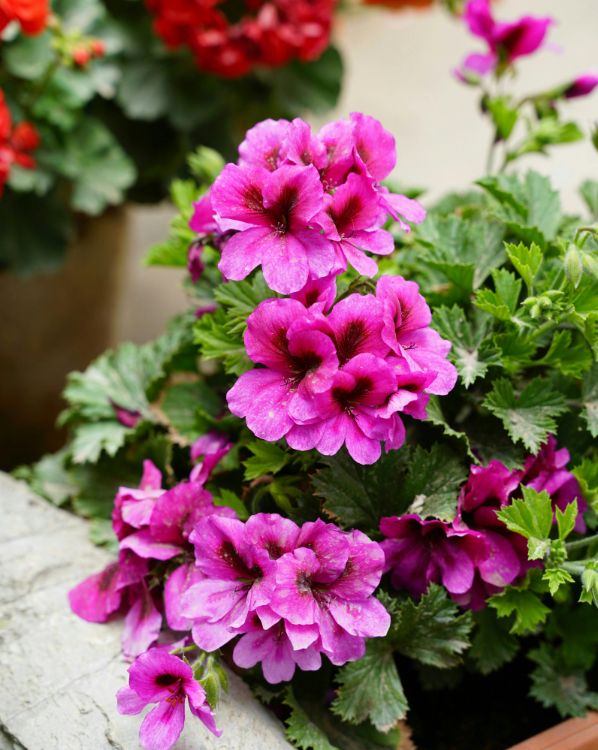
Annual flowers are known for their bright colors and fast growth. Because they live for only one season, they work hard to bloom as much as possible during that time.
Deadheading plays a major role in helping annuals reach their full potential. When these plants are allowed to set seed too early, they often slow down or stop blooming.
Removing spent flowers keeps them focused on producing new buds. This simple habit can double or even triple the length of the blooming season.
Petunias respond especially well to regular deadheading. Trimming faded blooms helps prevent legginess and encourages thick, trailing growth in containers and baskets.
Geraniums also benefit greatly from cleanup. Removing old flower clusters allows fresh stems to form quickly and keeps the plant compact.
Marigolds stay brighter and fuller when deadheaded often. Without cleanup, they may become thin and produce fewer flowers.
Zinnias produce larger and more frequent blooms when old flowers are removed. Cutting back to healthy leaves stimulates branching and creates bushier plants.
Cosmos and snapdragons also respond well to early deadheading. These plants reward regular care with steady waves of color.
Verbena and calibrachoa benefit from light trimming along with deadheading. This keeps growth neat and prevents long, bare stems.
Hanging basket plants need special attention. Limited soil means nutrients are used quickly, and dead flowers can weaken growth.
Deadheading also improves air circulation in dense annual plantings. Better airflow reduces disease and helps leaves dry faster after rain.
Always cut just above healthy leaves or side shoots. This encourages new growth instead of leaving bare stubs. Avoid tearing stems when possible. Clean cuts heal faster and keep plants looking tidy.
Pair deadheading with regular watering and light feeding for best results. Healthy plants respond more quickly to cleanup. With consistent attention, annual flowers remain colorful, full, and productive from early spring through late summer.
Perennials That Benefit From Early Season Cleanup
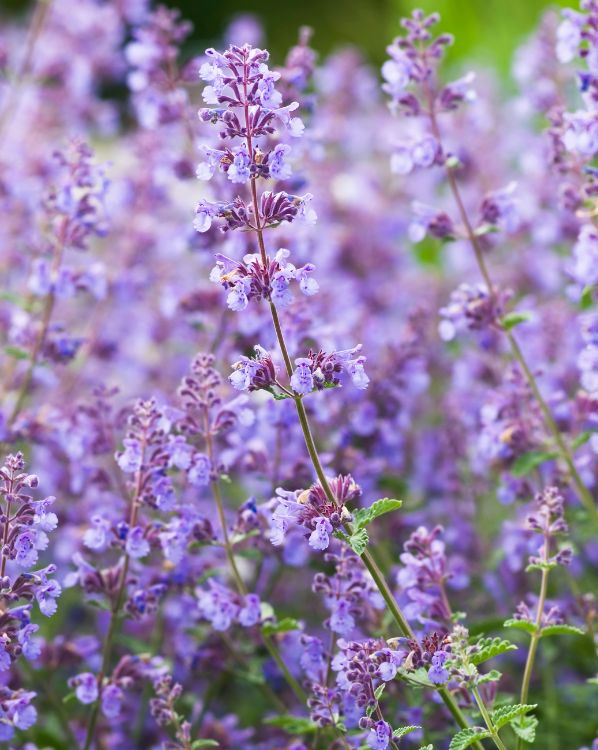
Perennial plants return year after year, making them valuable members of any garden. After winter, many of them carry dried stems, faded flowers, and damaged growth that should be removed in spring. Early cleanup helps these plants focus on fresh development.
When old flowers and weak stems remain in place, they continue to drain energy that could support new leaves and buds. Deadheading in spring is especially helpful for perennials that bloom early because it redirects nutrients quickly.
Coneflowers often hold onto dried blooms through winter. While these seed heads can be decorative, removing them in spring encourages stronger new shoots and better branching. Black-eyed Susans also benefit from early attention, as clearing away old flowers improves airflow and reduces disease risk.
Coreopsis responds well to regular cleanup and often blooms longer when faded flowers are removed. Shasta daisies also perform better with early deadheading, staying compact and producing repeated waves of flowers.
Salvia and catmint usually show early growth in spring. Removing old flower spikes helps new stems develop evenly and prevents tangled growth. Daylilies benefit from clearing away leftover stalks and yellowed leaves, which improves appearance and supports healthier clumps.
Peonies do not need heavy deadheading early in spring, but removing damaged buds and old stems improves airflow and reduces rot. Dense plantings especially need attention because old flowers can trap moisture and hide pests.
Cleaning up these areas improves sunlight exposure and encourages balanced growth. Deadheading also helps gardeners monitor plant health and notice early signs of stress.
Always use clean tools when trimming thicker stems. Smooth cuts heal faster and reduce the risk of infection. Avoid cutting too close to the base unless the plant is fully dormant.
Pair deadheading with light mulching and steady watering for best results. With regular early-season cleanup, perennials grow fuller, bloom longer, and remain healthier throughout the year.
Shrubs and Flowering Plants That Respond to Deadheading
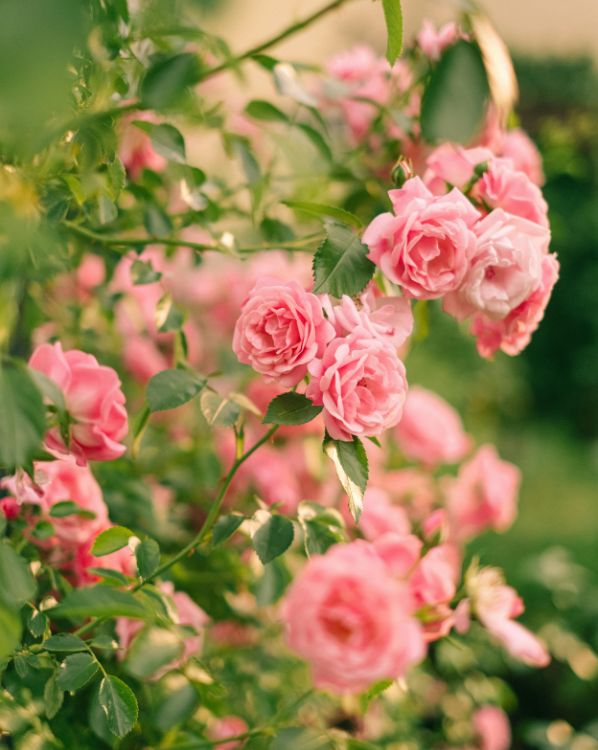
Many gardeners think deadheading is only for small flowers, but shrubs and larger flowering plants also benefit from this practice. Removing spent blooms helps maintain appearance and supports continued growth.
Some flowering shrubs keep producing buds after early blooms fade. Deadheading encourages them to keep flowering rather than diverting energy toward seed production.
Roses are one of the best examples. Removing faded flowers redirects energy toward new buds and stronger stems. Cutting just above a healthy leaf set encourages fresh shoots and repeated blooming.
Hydrangeas that rebloom during the season also benefit from deadheading. Removing old flower heads improves appearance and supports steady development. Camellias and azaleas often shed flowers naturally, but gentle cleanup helps prevent mold and improve airflow.
Butterfly bush responds well to removing faded clusters and often produces another round of blooms afterward. Shrub roses and landscape roses also perform better when deadheaded regularly, showing more consistent flowering.
Hibiscus grown in warm regions or containers benefits from regular cleanup. Removing old flowers keeps the plant neat and encourages continuous bud formation.
Deadheading shrubs improves overall shape. Heavy flower heads can bend branches and cause uneven growth if left in place. Removing them helps plants stay upright and balanced.
It also reduces pest attraction. Decaying flowers often draw insects and create conditions for disease. Clearing them away keeps plants healthier.
While deadheading, look for weak, damaged, or crossing branches. Light pruning at the same time improves structure and airflow.
Use sharp, clean tools for thicker stems to avoid tearing bark. Make cuts at slight angles to promote quick healing.
Water after deadheading to support recovery and new growth. With regular attention, flowering shrubs remain tidy, productive, and colorful throughout the spring and beyond.
Smart Deadheading Habits for Long-Term Garden Beauty
Deadheading is most effective when it becomes part of a regular gardening routine rather than an occasional task. Consistent habits help plants stay healthy and attractive throughout the growing season.
A key habit is close observation. Regular inspection helps you notice faded flowers before they drain too much energy from new growth. Short weekly sessions make deadheading easier because a few minutes at a time prevent buildup and reduce physical strain.
Proper tools improve results. Soft stems can be pinched by hand, while thicker stems need clean scissors or pruners. Clean equipment is essential, and wiping blades with alcohol prevents the spread of disease between plants.
Careful work protects developing buds. Rushing through deadheading often leads to accidental damage and missed opportunities for regrowth. Knowing where to cut makes a difference because removing flowers just above healthy leaves encourages faster branching and more blooms.
Long stubs should be avoided because dead sections attract pests and slow healing. Light pruning paired with deadheading improves plant shape and creates a stronger structure.
Water after deadheading to support recovery. Moist soil helps plants replace lost tissue and form new buds. Light fertilization during peak blooming supports continuous flower production when balanced nutrition is combined with regular cleanup.
Simple record keeping can be helpful. Notes on which plants respond best help you refine your routine each year. Rotating attention among garden areas ensures even care and prevents some plants from being neglected.
Flexible habits improve success in changing weather. Hot or windy days may require gentler handling. Sharing proper techniques with family members builds responsibility and makes gardening easier.
Experience from each season improves confidence. Mistakes become valuable lessons for future growth. Patience remains important because not every plant responds immediately, but consistency produces results.
Enjoyment of the process matters as much as the outcome. Calm, focused care benefits both gardener and garden. With steady practice, deadheading becomes a natural rhythm, and plants reward this attention with fuller growth and lasting beauty.
Final Thoughts
Spring deadheading is a simple habit that creates powerful results. Removing spent flowers helps plants focus energy on fresh growth and extended blooming.
When practiced regularly and thoughtfully, deadheading improves plant health, structure, and appearance. It also strengthens your connection to the garden.
Small actions repeated over time create lasting beauty.
By developing steady routines and paying attention to each plant’s needs, you build a landscape that remains colorful, balanced, and rewarding throughout the season.