
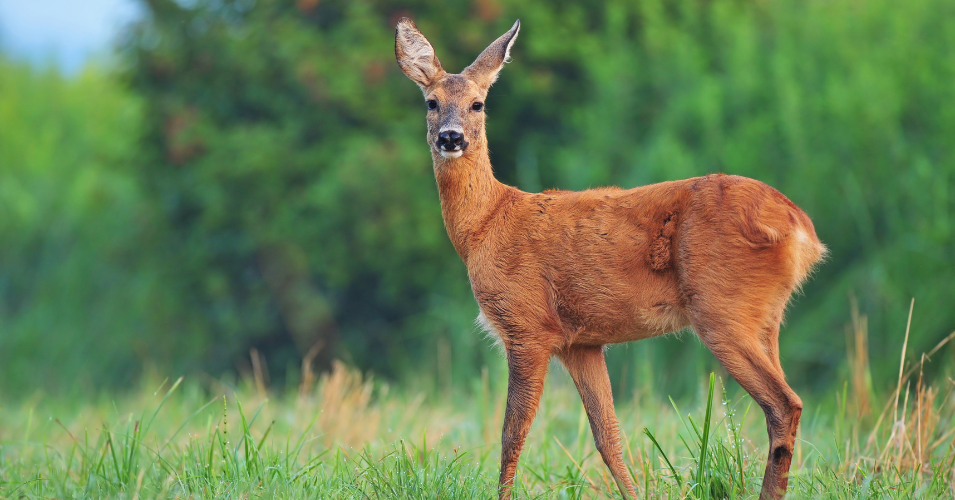
Deer are beautiful animals, but they can quickly become a serious problem in residential landscapes.
Many homeowners struggle with damaged gardens, stripped shrubs, and plants that never seem to recover.
What often surprises people is how unintentionally these visits begin. In many cases, deer are not drawn in by chance, but by specific plants that strongly appeal to their senses.
This article explores the plants deer are most likely to seek out and explains why planting them can increase deer activity around your home.
Why Deer Are Drawn to Certain Plants
Deer do not wander into yards randomly. Their movement is guided by food availability, safety, and familiarity. Certain plants send powerful signals to deer that an area is worth stopping in, feeding, and returning to.
One of the strongest factors is nutrition. Deer are constantly searching for plants that provide high energy and protein. Tender leaves, new growth, and moisture-rich vegetation are especially appealing. When a yard contains several of these plants, it quickly becomes a reliable food source in the eyes of a deer.
Texture also matters. Deer prefer plants that are easy to chew and digest. Soft stems and broad leaves are far more attractive than tough or woody growth. This is why many ornamental plants are targeted early and repeatedly. Once deer learn that these plants are available, they remember the location.
Scent plays an equally important role. Deer rely heavily on smell to identify food. Plants with mild, natural odors are more appealing than those with strong or bitter scents. A yard filled with familiar-smelling vegetation can feel safe and inviting to passing deer.
Seasonal needs increase the problem. In spring and summer, deer seek protein for growth and reproduction. In the fall, they look for plants that help build energy reserves. If your landscape offers food during multiple seasons, deer are more likely to make your property part of their regular route.
Location amplifies attraction. Plants placed near trees, fences, or dense cover allow deer to feed while feeling protected. This sense of safety encourages longer feeding times and repeat visits.
Understanding why deer are drawn to certain plants helps explain why some yards experience constant damage. Awareness is the first step toward choosing plants more carefully and reducing unwanted deer activity.
Trees and Shrubs That Keep Deer Coming Back
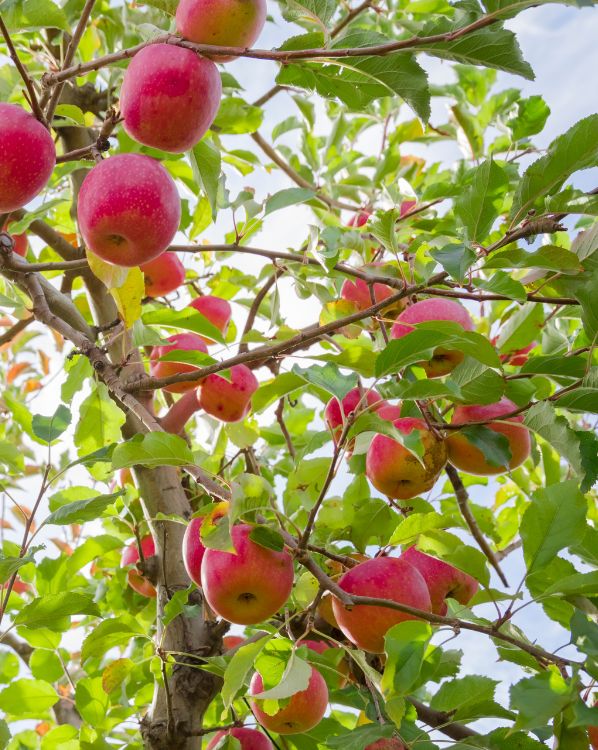
Trees and shrubs are some of the most common reasons deer begin visiting a yard regularly. While many homeowners plant them for shade, privacy, or ornamental value, some species are strong deer magnets.
Once deer discover these plants, they often return repeatedly, leading to ongoing browsing problems.
Oak trees are one of the most significant contributors to unwanted deer activity. Acorns are a primary food source for deer, especially in the fall. When acorns are present, deer will travel considerable distances to reach them. A single mature oak can turn a quiet yard into a seasonal feeding destination.
Apple and crabapple trees create similar issues. Deer are attracted to both the leaves and the fruit. Fallen apples are especially problematic because they are easy for deer to eat and rich in sugars. Even well-maintained trees can unintentionally draw deer once fruit begins to drop.
Among shrubs, blackberry and raspberry bushes are frequent troublemakers. Deer browse the leaves and tender stems throughout the growing season. These shrubs also grow thickly, providing cover and making deer feel comfortable lingering while they feed.
Dogwood shrubs are another common source of damage. Deer feed on their soft twigs and buds, particularly in winter when other food is limited. Because dogwood is often planted near homes and walkways, browsing damage becomes evident.
Honeysuckle is also well known for attracting deer. Its leaves stay tender longer than those of many native shrubs, making it appealing throughout multiple seasons. Once deer learn to associate honeysuckle with easy food, they often expand their browsing to nearby plants.
These trees and shrubs are popular with deer because they offer more than food. They provide shelter, familiarity, and predictable resources.
For homeowners trying to reduce deer visits, planting these species can unintentionally encourage repeat activity and long-term damage. Being aware of their attraction is an essential step toward choosing alternatives that are less appealing to deer.
Soft Green Favorites Deer Rarely Ignore
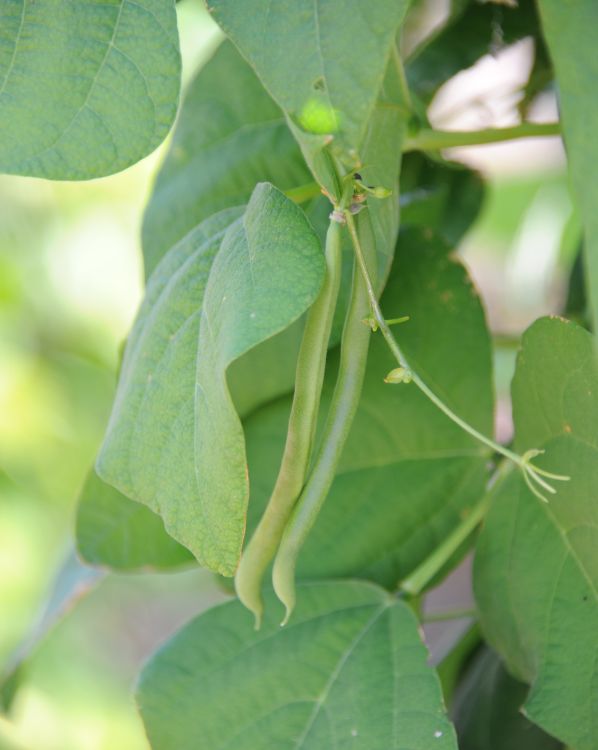
Soft green plants are often the most significant contributors to persistent deer problems. These plants are highly attractive because they are tender, nutritious, and easy for deer to eat.
When planted in a yard or garden, they can quickly turn the space into a dependable feeding area that deer return to again and again.
Clover is one of the most common plants that attracts deer into residential areas. Deer are strongly attracted to its soft leaves and high protein content. Clover is often intentionally used in food plots, making it especially problematic in yards where deer are not welcome. Once deer discover a clover patch, they tend to graze it regularly.
Alfalfa causes similar issues. Its leafy growth provides excellent nutrition and is easy for deer to digest. Deer often feed heavily on alfalfa in spring and early summer when their energy needs are high. Even small plantings can attract repeated visits.
Peas are another soft green plant that deer actively seek out. Field peas and garden peas produce tender vines and broad leaves that deer browse aggressively. These plants are often eaten as soon as they emerge, making them difficult to protect without fencing.
Beans, especially soybeans, are also well known for attracting deer. Young bean plants are rich in protein and moisture, which makes them highly appealing. Deer often focus on these plants early in their growth, sometimes preventing them from reaching maturity.
Winter wheat and oats can also increase deer activity. These plants produce lush green shoots during cooler months when other vegetation is limited. Deer are quick to notice and return to these fresh food sources.
Because these soft green plants are so appealing, they are best avoided in landscapes where deer damage is a concern. Choosing less palatable alternatives can help reduce browsing pressure and discourage deer from treating your yard as a reliable food source.
Flowering Plants That Add Beauty and Browsing
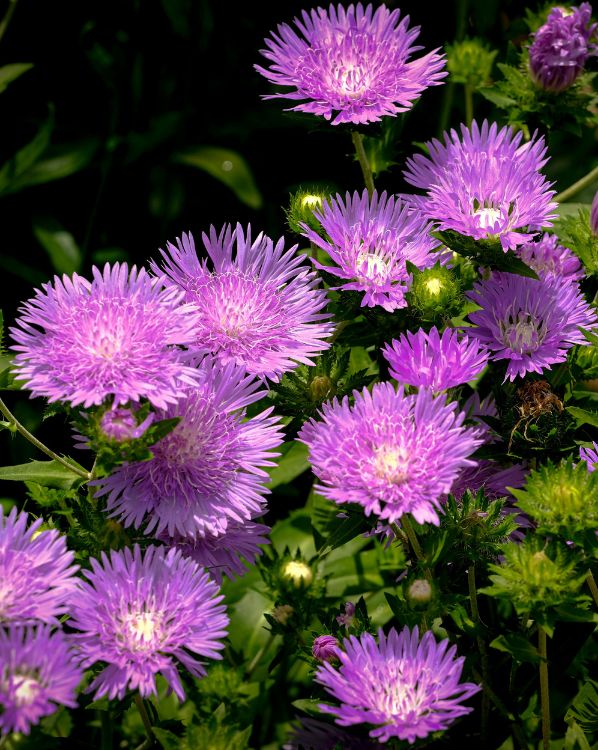
Flowering plants are often chosen for their color and visual appeal, but many of the most popular varieties also attract deer. While deer are not interested in the flowers themselves, the tender growth that supports those blooms can invite repeated browsing and unexpected damage.
Sunflowers are a typical example. Deer are drawn to young sunflower plants early in the season when the leaves and stems are soft. As plants mature, fallen seeds provide an additional food source, extending deer visits into late summer and fall. Their height can also make deer feel more concealed while feeding.
Coneflowers are another frequently browsed flowering plant. Deer feed on the leaves and stems, particularly before the plants reach full bloom. Because coneflowers are often planted in visible garden beds, damage can be both noticeable and frustrating.
Black-eyed Susans may appear hardy, but deer often browse their early growth. Tender foliage is most vulnerable before flowering begins. Once deer discover these plants, they may continue to sample nearby ornamentals.
Asters and similar wildflowers can also attract deer. While browsing varies by location and season, deer commonly feed on young leaves during periods of active growth. These plants are often part of natural-looking landscapes that already attract deer.
Tulips and daylilies deserve special mention due to their popularity with gardeners and deer alike. Deer are especially drawn to fresh spring growth, often eating buds and leaves before flowers ever open.
Flowering plants that attract deer can unintentionally signal that a landscape is safe and productive. When these plants are grouped, they increase the likelihood of repeat visits.
Homeowners who want to limit deer damage should be cautious with these choices and consider alternatives that are less attractive to browsing wildlife.
Planning a Landscape That Discourages Deer
When deer are unwanted, planning a landscape requires a different mindset. Instead of focusing solely on beauty or fast growth, it is essential to consider how plant choices influence animal behavior. Many deer problems begin not because of location, but because of unintentional signals sent through landscaping.
Deer are creatures of habit. Once they find a reliable food source, they tend to return along the same paths. Landscapes that include several deer preferred plants grouped can quickly become part of a deer’s regular route. This makes early planning and plant selection especially important.
One key factor is plant placement. Vegetation planted near tree lines, fences, or dense cover gives deer a sense of safety while feeding. Even plants that might receive light browsing can become major attractants when placed close to cover. Keeping vulnerable plants farther from shelter can help reduce interest.
Variety also plays a role. Landscapes that provide food across multiple seasons are more likely to experience repeat visits. If spring greens, summer browse, and fall food sources are all present, deer have little reason to leave. Limiting seasonal overlap can help reduce long-term attraction.
Spacing matters as well. Large clusters of soft or tender plants create concentrated feeding zones. Deer prefer these areas because they allow efficient feeding with minimal movement. Breaking up plantings or avoiding mass groupings of attractive species can make a yard less appealing.
Maintenance practices also influence deer behavior. Overwatering and fertilizing can produce lush growth that deer notice quickly. While healthy plants are desirable, excessive growth can unintentionally increase browsing pressure.
For homeowners trying to discourage deer, the goal is not to eliminate nature, but to avoid creating an invitation. Understanding how landscaping choices affect deer movement enables more informed decisions that reduce damage and ongoing frustration.
Final Thoughts
Deer problems often begin with good intentions. Many homeowners plant attractive, healthy vegetation without realizing how strongly certain plants appeal to browsing wildlife. Over time, these choices can turn a landscape into a reliable food source that deer return to again and again.
Understanding which plants attract deer gives you control. Awareness allows you to make informed decisions before damage becomes routine. By avoiding the plants deer prefer and paying attention to placement and maintenance, it is possible to reduce unwanted visits without eliminating greenery altogether.
A thoughtful approach to landscaping does not mean sacrificing beauty. It means choosing plants wisely and creating a space that works for your needs, not for deer looking for their next meal.