
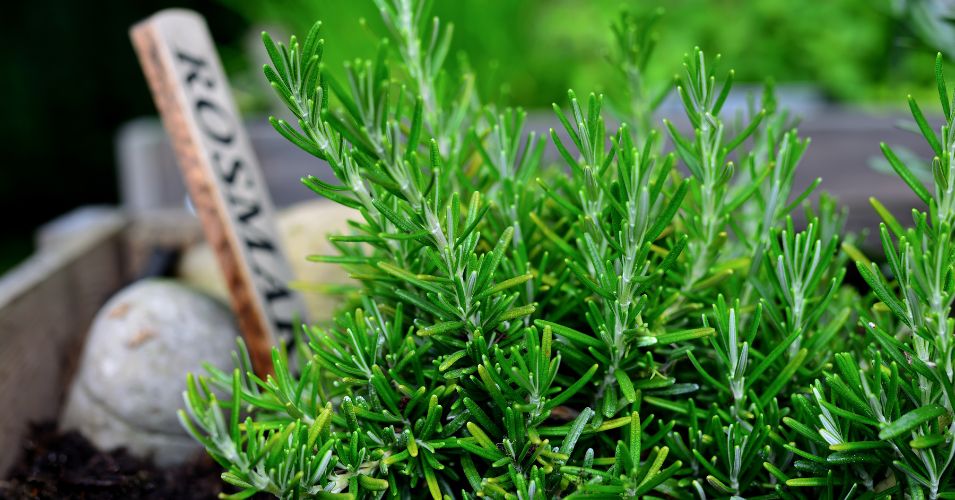
Rosemary seems to come alive during summer. Warm days, plenty of sunshine, and dry conditions suit this hardy herb perfectly, but that does not mean it can be left to fend for itself.
A little care at the right time keeps it healthy, encourages fresh growth, and helps prevent common problems caused by heat or too much moisture. Whether your rosemary is growing in the garden or in a pot on the patio, a few simple habits will make all the difference.
This guide covers everything you need to know to keep your rosemary thriving right through the summer months.
What Rosemary Needs to Thrive During Summer
Few herbs are as comfortable in summer as rosemary. Long, sunny days are exactly what this Mediterranean plant was built for, which is why it often looks its best while other herbs begin to struggle. Give it the right conditions, and it will reward you with fresh growth and intensely fragrant leaves all season long.
Sunlight comes first. A healthy rosemary plant should receive at least six hours of direct sun each day, although more is usually even better.
Bright light helps the stems stay compact and encourages the plant to produce the aromatic oils that give rosemary its distinctive scent and flavor. Plants grown in too much shade often become sparse, with long stems and fewer usable leaves.
The soil matters just as much as the sunshine. Rosemary dislikes heavy ground that stays wet after watering or rainfall. Instead, it performs best in loose, gritty soil where water drains away quickly.
If your garden has dense clay, mixing in coarse sand or grit before planting can make a noticeable difference. For containers, choose a potting mix designed for herbs or Mediterranean plants rather than one that holds moisture for long periods.
Summer also brings intense heat, and while rosemary tolerates high temperatures well, it still benefits from good airflow. A plant tucked into a crowded border stays damp for longer after watering, which increases the chance of fungal problems. Leaving some space around the branches allows air to circulate and keeps the foliage dry.
Potted rosemary deserves a little extra attention because containers heat up much faster than garden beds. During a heatwave, the roots can become surprisingly warm by mid-afternoon.
If that happens regularly, moving the pot to a spot with gentle afternoon shade can help reduce stress without taking away the sunshine the plant enjoys.
Once rosemary has settled into a suitable location, try not to disturb it. It prefers consistency over constant adjustment. A sunny position, fast-draining soil, and plenty of fresh air create the conditions it needs to stay healthy even during the hottest part of summer.
How to Water Rosemary Without Causing Root Rot
If there is one part of rosemary care that causes the most trouble, it is watering.
Many gardeners worry that hot weather means the plant is drying out, so they reach for the hose more often than necessary. In reality, rosemary is much more likely to suffer from too much water than too little.
Forget the calendar and pay attention to the soil instead.
Before watering, check a couple of inches below the surface with your finger. Dry soil means the plant is ready for a drink. If you can still feel moisture, leave it for another day and check again. This simple habit is far more reliable than sticking to a fixed watering schedule because rainfall, temperature, and wind all affect how quickly the soil dries.
When you do water, make it count. A deep soak encourages the roots to grow further into the ground where moisture lasts longer.
Plants with deeper roots cope much better during periods of hot, dry weather than those that receive a light sprinkle every day. Frequent shallow watering keeps the roots close to the surface, where they dry out quickly and become more vulnerable to heat.
Morning is usually the best time to water. The cooler temperatures allow the soil to absorb moisture before the strongest sunshine arrives. It also gives any damp leaves plenty of time to dry, which helps reduce the risk of fungal diseases.
Container-grown rosemary will usually need watering more often than plants growing in the ground, but it should never become a daily habit without checking the soil first. Pot size, weather, and the type of compost all influence how quickly moisture disappears.
An overwatered rosemary plant often gives subtle warnings before serious damage occurs. Leaves may lose their rich green color, stems can become soft, and the whole plant may look tired despite receiving plenty of water. At that stage, watering less often and making sure excess water drains away quickly can prevent root rot from taking hold.
A rosemary plant that dries slightly between waterings is usually healthier. Giving the roots a chance to breathe is one of the simplest ways to keep the plant vigorous throughout summer.
The Best Ways to Feed, Prune, and Harvest Rosemary
One of the biggest advantages of growing rosemary is that it asks for very little in return. You do not need a shelf full of fertilizers or a strict pruning schedule to keep it looking its best. In fact, doing too much is often the quickest way to slow it down.
Feeding is a good example. Rosemary grows naturally in nutrient-poor soils, so it has never developed an appetite for rich compost or frequent fertilizer. If the plant is producing healthy green growth, leave it alone. Adding extra feed simply because it is summer is rarely necessary.
Container plants are the exception. Nutrients wash out of pots more quickly than they do in garden soil, so a light feed once or twice during the season can help replace what has been lost. Choose a balanced fertilizer and apply it sparingly. Too much nitrogen encourages soft growth that carries less of the strong aroma rosemary is known for.
Pruning is less about controlling the plant and more about encouraging fresh shoots. Every time you trim the tips, the stems usually branch out. Over time, this creates a fuller, bushier plant rather than one with long, bare stems.
Keep your cuts in the green, leafy part of the plant and avoid cutting back into old woody growth, which may not produce new shoots.
Those trimmings do not need to go to waste. Summer is the perfect time to harvest rosemary because the leaves are rich in essential oils after spending long days in the sun. Snip a few stems from different sides of the plant rather than taking everything from one spot. The shape stays balanced, and the plant barely notices the harvest.
If you end up with more rosemary than you can use, dry the extra sprigs indoors in a well-ventilated room. Once the leaves crumble easily between your fingers, store them in an airtight jar away from direct sunlight. You will have homegrown rosemary ready for cooking long after summer has passed.
Common Summer Problems and How to Prevent Them
Rosemary rarely struggles without giving a few hints first. The trick is noticing those small changes before they turn into bigger problems. A plant that looked healthy last week can often be put right with a simple adjustment if you catch it early enough.
Yellow leaves are usually the first warning sign gardeners notice. Many assume the plant needs more water, but the opposite is often true. Rosemary sitting in damp soil for days at a time will soon let you know something is wrong.
Before watering again, check that the soil has had a chance to dry below the surface and make sure excess water can drain away freely.
Summer heat creates a different challenge for plants growing in containers. The compost dries more quickly than garden soil, but the roots can also become much hotter.
If the pot sits on a patio that reflects heat throughout the afternoon, the plant may look tired even when the soil is sufficiently moist. Moving it to a spot with a little protection during the hottest part of the day is sometimes all it takes.
Most insects are not interested in rosemary, although aphids and spider mites occasionally settle on new growth. There is no need to panic if you spot a few. A quick rinse with water or a gentle insecticidal soap treatment usually keeps numbers under control before they become a real nuisance.
Fungal diseases are much less common when rosemary has room to breathe. Branches that remain damp after rain or watering create a far better environment for problems to develop. Keeping nearby plants from crowding the rosemary and avoiding unnecessary overhead watering both help the foliage dry more quickly.
The healthiest rosemary plants are usually the ones that receive regular attention rather than constant intervention. Spend a minute looking over the leaves each time you walk through the garden.
Small changes are much easier to correct than major ones, and that simple habit can keep your rosemary thriving right through the end of summer.
Tips That Keep Rosemary Healthy Until Fall
By the end of summer, rosemary usually needs less attention than it did a few weeks earlier.
The plant is still actively growing, but the most intense heat has often passed, making it a good time to settle into a steady routine instead of constantly making adjustments.
One of the best things you can do is leave a healthy plant alone. There is no need for heavy pruning or frequent feeding at this stage. Fresh growth produced late in the season may not be as tough as older stems, especially if cooler weather arrives sooner than expected. Keeping maintenance light helps the plant finish the season naturally.
Watering may also need to change. A spell of rain or a run of cooler days means the soil will stay moist for longer than it did in the middle of summer. Rather than watering out of habit, check the soil first and only water when it has started to dry. Rosemary is much happier coping with slightly dry conditions than constantly damp roots.
Take a few minutes now and then to look over the plant. Remove any dead leaves caught inside the branches and trim away stems that have dried out or become damaged. It is a simple job, but it improves airflow and makes it easier to spot anything unusual before it becomes a bigger issue.
If your rosemary grows in a pot, lift it occasionally after watering. A container that feels unusually heavy for several days could be draining more slowly than it should. Clearing blocked drainage holes or refreshing the top layer of compost can make a surprising difference.
Before summer ends, pick a final handful of healthy sprigs for the kitchen. Fresh rosemary is always useful, and harvesting a little from different parts of the plant helps keep its shape tidy.
Once fall arrives, your rosemary will be in a much better position to handle the changing season without needing extra care.
Final Thoughts
Looking after rosemary in summer is less about doing more and more about doing the right things at the right time. Give it plenty of sunshine, avoid overwatering, and resist the temptation to overfeed it. Those simple habits solve most of the problems gardeners run into.
Keep an eye on the plant as the season progresses, make small adjustments when needed, and enjoy harvesting fresh sprigs whenever you need them.
With a little consistency, rosemary will stay healthy through summer and head into fall in excellent shape, ready to reward you again when the next growing season begins.