
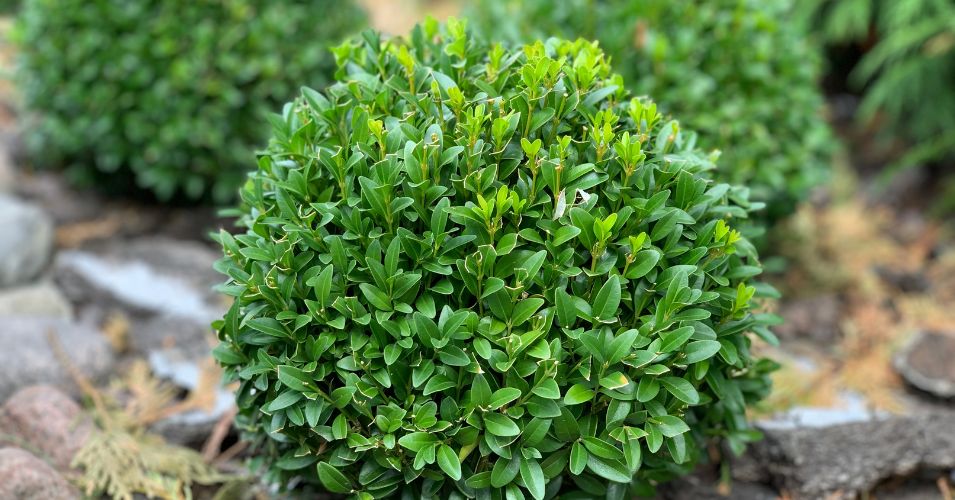
Boxwoods have been a favorite in gardens for generations. Their neat shape, evergreen color, and ability to handle pruning make them easy to love.
But in recent years, many people have started looking for alternatives. Diseases, pests, and changing weather conditions have made boxwoods harder to maintain in some areas. Others want shrubs with more texture, color, or personality.
The good news is that many beautiful shrubs can fill the same role while adding something fresh to the landscape. Some offer bright flowers. Others bring unique foliage or better cold tolerance. A few even grow faster and need less trimming.
If you are ready to rethink your garden borders, foundation plantings, or hedges, these shrubs can give your outdoor space a whole new look while still keeping that polished feel.
Evergreens That Keep the Garden Looking Full Year Round
A garden can feel empty during colder months when flowers fade, and trees lose their leaves. That is one reason boxwoods became so popular in the first place. You get reliable greenery and structure no matter the season.
Thankfully, several evergreen shrubs can offer the same polished appearance while adding fresh texture and stronger disease resistance.
One standout option is Japanese Holly. At first glance, you might mistake it for boxwood because of its small, glossy leaves and tidy appearance. The difference becomes clear once you notice how much easier it can be to grow in certain climates.
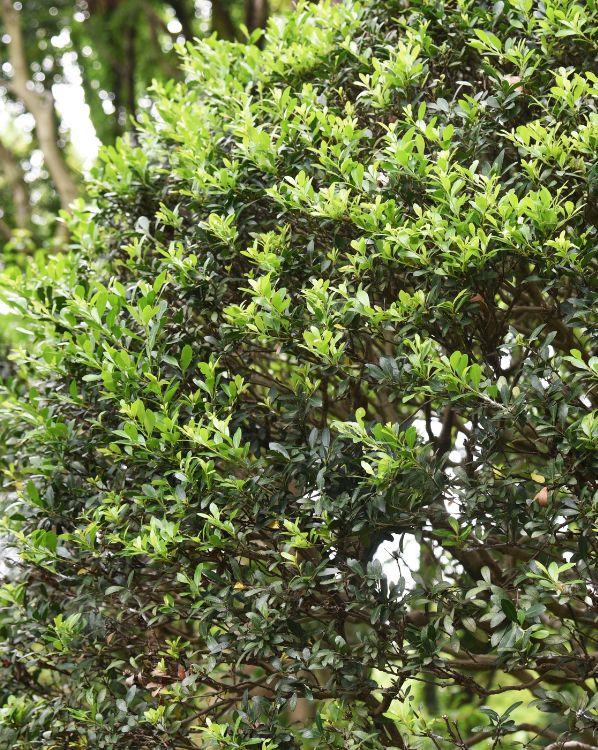
Japanese Holly handles pruning well and works beautifully for hedges, borders, and foundation plantings. It also grows with a softer texture that feels more relaxed and modern than the stiff look some boxwoods develop over time.
Another strong replacement is Inkberry Holly. This native evergreen shrub has deep green foliage that stays attractive even during harsh winters.
Unlike boxwoods that can turn brown in cold weather, Inkberry Holly often keeps its rich color throughout the year. It naturally grows into a rounded shape, which means you may not need to spend as much time trimming and shaping it. Dwarf varieties are especially useful if you are working with a smaller yard or narrow garden beds.
If you want something with a slightly more elegant appearance, Yew shrubs are worth considering. These evergreens have soft, needle-like foliage that creates a dense and refined look.
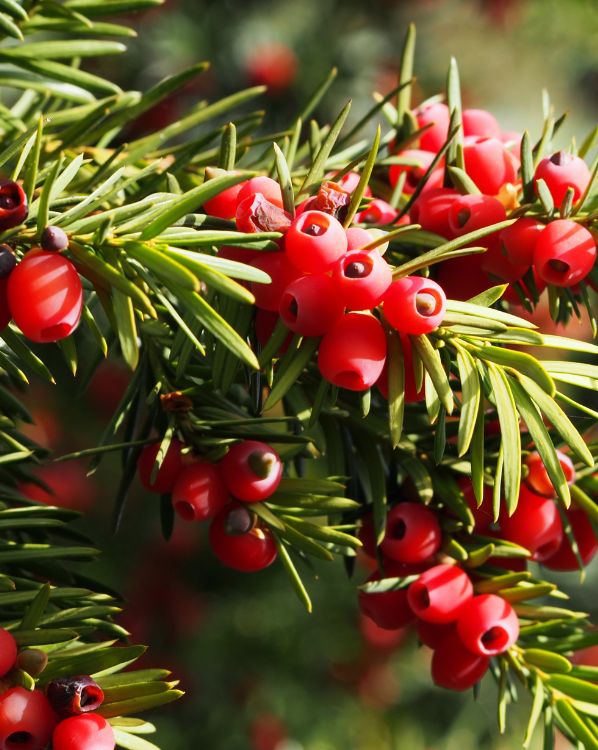
Yews can be shaped into formal hedges or left alone for a more natural style. They are also known for their long lifespan, making them a dependable choice for a lasting landscape.
For extra texture and structure, Dwarf Alberta Spruce can completely change the feel of your yard. Its compact pyramid shape stands out immediately near walkways, patios, or entryways. Even though it looks delicate and decorative, this evergreen is surprisingly hardy once established.
Choosing evergreen alternatives lets you maintain year-round greenery without relying on the same traditional boxwood look. These shrubs can make your landscape feel fresh while still giving it structure and balance through every season.
Flowering Shrubs That Bring More Color Than Boxwoods Ever Could
Boxwoods may provide structure, but they rarely become the most exciting part of a yard. If you want your landscape to feel brighter and more inviting, flowering shrubs can completely change the atmosphere.
These plants do more than fill space. They bring movement, fragrance, and bold color that shift with the seasons.
One of the most eye-catching choices is Hydrangea. These shrubs produce huge blooms that immediately draw attention during summer. Depending on the variety you choose, flowers can appear in shades of blue, pink, white, or purple.
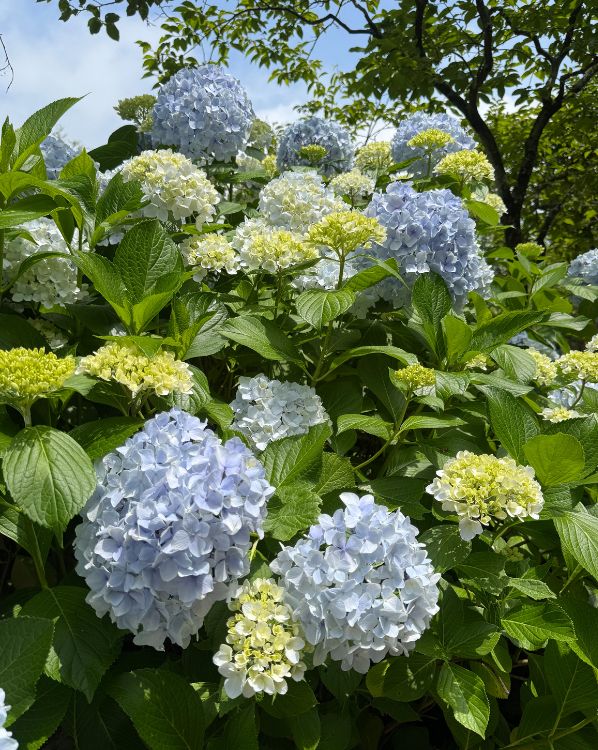
Unlike boxwoods that keep the same appearance year-round, Hydrangeas constantly evolve through the seasons. Even after the flowers dry, they continue to add texture and charm in autumn and winter.
Another excellent replacement is Azalea. When spring arrives, Azaleas burst into bloom with such intensity that the foliage underneath almost disappears.
Their vibrant flowers can instantly brighten pathways, garden borders, or shaded corners of your yard. Evergreen varieties also provide greenery year-round, giving you both color and structure in a single plant.
If fragrance matters to you, Gardenia shrubs are hard to ignore. Their creamy white flowers release a rich scent that can make your outdoor space feel calm and luxurious.
Gardenias work especially well near patios, porches, or seating areas where you can enjoy their fragrance up close. Their glossy dark green leaves also stay attractive long after the blooming season ends.
For something colorful and easy to maintain, Spirea is another smart option. This hardy shrub produces clusters of pink, white, or red flowers and tolerates a wide range of growing conditions.
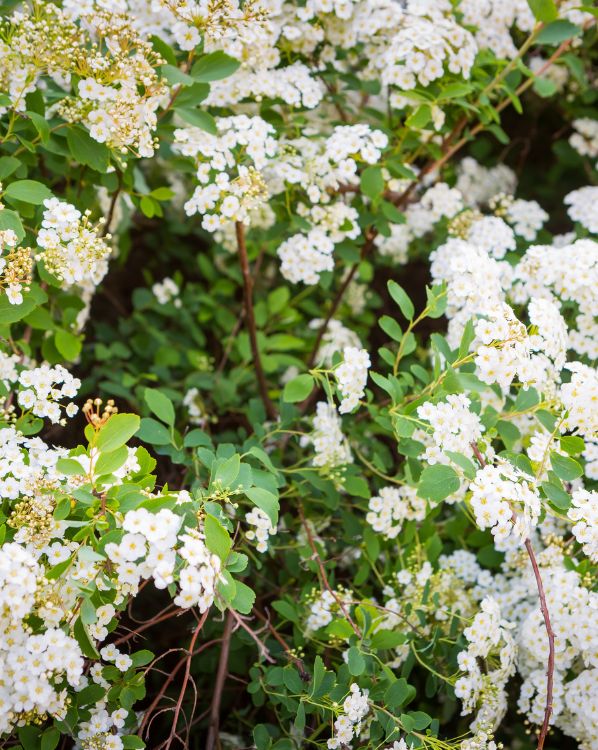
Some varieties even feature foliage that changes color throughout the year, adding another layer of visual interest to your landscape.
Replacing boxwoods with flowering shrubs creates a yard that feels more alive and expressive. Instead of relying only on shape and structure, you can enjoy vibrant blooms, seasonal changes, and a landscape that constantly gives you something new to admire.
Compact Choices Perfect for Borders and Small Spaces
Not every yard has room for large spreading shrubs. Smaller landscapes need plants that stay neat without taking over walkways, flower beds, or patios.
If you want the same clean appearance that boxwoods provide but need something more interesting or easier to manage, compact shrubs can make a huge difference. These smaller options fit beautifully into tight spaces while still adding texture and color.
One excellent choice is Dwarf Globe Arborvitae. This evergreen naturally grows into a rounded shape, giving your garden a polished look without constant trimming. Its soft green foliage stays attractive year-round, and its compact size makes it ideal for lining pathways or filling corners near entryways.
Unlike some larger shrubs that quickly outgrow their space, Dwarf Globe Arborvitae stays controlled and tidy for years.
Another standout option is Little Lime Hydrangea. This smaller version of the classic hydrangea delivers the same beautiful blooms without overwhelming your yard. During summer, it produces large green flowers that slowly fade into soft pink tones as the season changes.
Little Lime Hydrangea works especially well in front yard beds where you want color without blocking windows or walkways.
If you enjoy a softer and more natural look, Dwarf Nandina can add beautiful texture to smaller spaces.
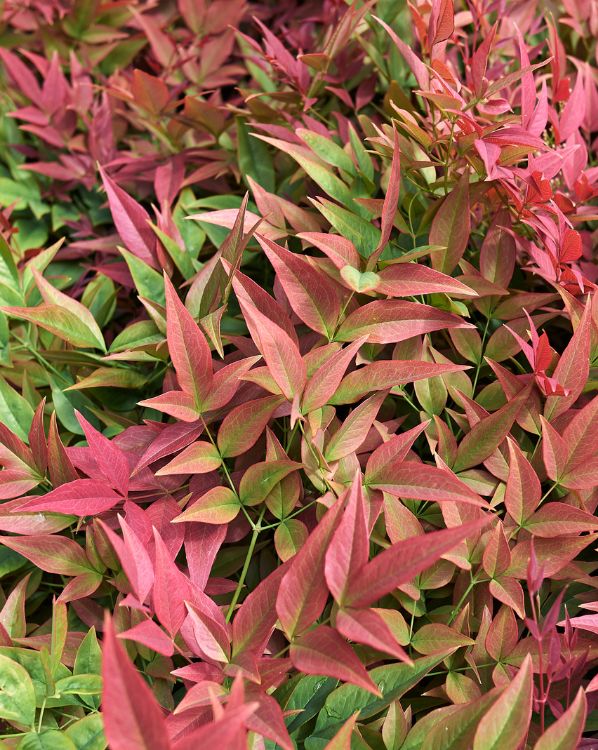
Its delicate foliage changes shades throughout the year, often turning red or bronze during cooler months. Unlike bulky shrubs that can make a garden feel crowded, Dwarf Nandina keeps things light and airy while still creating structure.
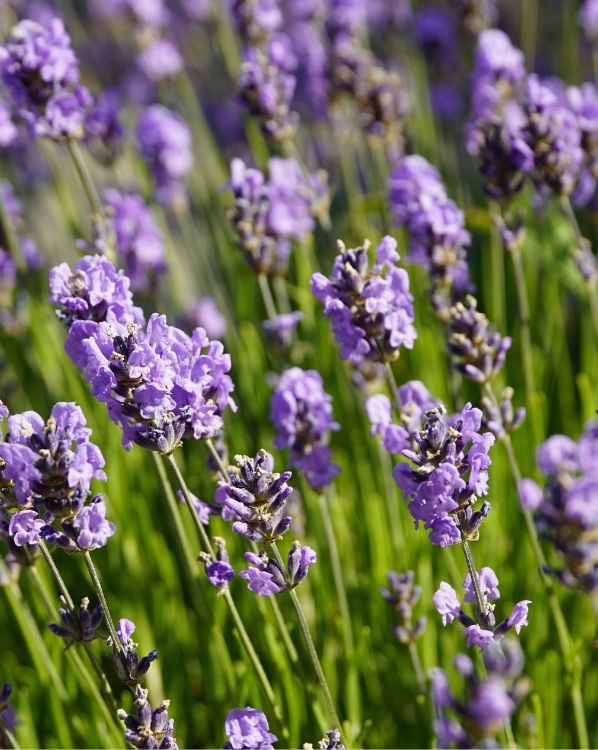
For low-growing borders, Lavender is another smart alternative to boxwoods. It stays compact, produces fragrant purple flowers, and attracts pollinators like bees and butterflies. The silvery foliage also adds contrast against greener plants, helping borders feel more layered and visually interesting.
Using compact shrubs allows you to create a refined landscape without sacrificing precious space. These plants prove that smaller gardens can still feel lush, stylish, and full of personality.
Tough Shrubs That Handle Heat, Cold, and Poor Soil
Some shrubs look beautiful for a season or two, then struggle the moment conditions become difficult. Dry summers, freezing winters, and rocky soil can quickly weaken plants that need constant attention.
If you want a landscape that stays attractive without endless maintenance, hardy shrubs are often the best replacement for boxwoods. These plants are built to withstand harsh conditions while still adding texture and color to your yard.
One reliable option is Juniper. This evergreen shrub is known for surviving in places where many other plants fail. It handles heat, drought, wind, and poor soil with very little trouble.
Some varieties spread low across the ground, while others grow upright, giving you flexibility in how you design your space. The blue-green foliage also adds a cooler tone that stands out beautifully against brighter flowers and darker evergreens.
Another durable choice is Potentilla. This shrub may not always get as much attention as more dramatic plants, but its toughness makes it incredibly valuable.
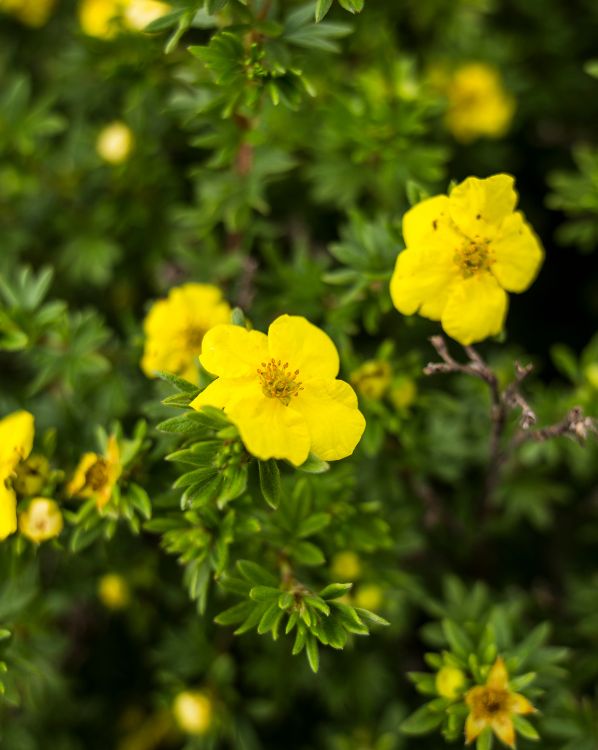
Potentilla produces cheerful yellow, white, pink, or orange flowers for months at a time, even in difficult growing conditions. It tolerates cold climates especially well and continues blooming long after many other shrubs begin to fade.
If your yard deals with dry soil and intense sunlight, Russian Sage can thrive where fussier shrubs struggle. Its silvery stems and lavender-colored flowers create a soft, cloud-like appearance that moves beautifully in the wind.
Beyond its striking appearance, Russian Sage asks for very little once established. Too much water can actually harm it, making it perfect for low-maintenance landscapes.
In colder regions, Red Twig Dogwood offers year-round interest while standing up to freezing temperatures. During winter, its bright red branches become the highlight of the yard after leaves have dropped from other plants. In warmer months, it fills out with green foliage and clusters of white flowers.
Choosing shrubs that can handle difficult conditions helps your landscape stay healthy and attractive without constant worry. Instead of fighting against your climate or soil, you can fill your yard with plants that naturally adapt and continue looking strong season after season.
Creative Ways to Mix Boxwood Alternatives Into Your Landscape
Replacing boxwoods does not mean your yard has to lose structure or elegance. In fact, combining different shrubs can make your landscape feel far more dynamic and personal.
Instead of relying on a single plant repeated throughout the yard, you can layer textures, colors, and shapes to create a space that feels alive in every season.
One simple approach is mixing evergreen shrubs with flowering varieties. Pairing Japanese Holly with Hydrangea, for example, creates balance between structure and softness. The evergreen foliage keeps the garden looking full during winter, while the large hydrangea blooms add excitement through summer. This combination prevents the landscape from feeling flat or repetitive.
You can also use contrasting foliage colors to create more visual depth. Shrubs like Dwarf Nandina bring bronze and red tones that stand out beautifully beside the deep green leaves of Inkberry Holly. Even without flowers, the color variation keeps your yard looking layered and interesting throughout the year.
Texture plays an important role as well. Combining fine-textured plants with broader-leaf shrubs creates a more natural and eye-catching design. The soft, needle-like foliage of Yews pairs nicely with the fuller blooms of Azaleas or Spirea. These subtle differences help each plant stand out rather than blend into a solid wall of greenery.
If your goal is to frame walkways or patios, alternating compact shrubs can make the layout feel less formal and more inviting. A row of Lavender mixed with Dwarf Globe Arborvitae creates a polished border while still feeling relaxed and colorful. The fragrance from the lavender also adds another sensory layer that traditional boxwoods cannot provide.
You do not have to remove every boxwood all at once, either. Mixing a few alternative shrubs into your existing landscape can slowly refresh the entire yard without requiring a complete redesign.
Over time, these combinations can make your outdoor space feel richer, brighter, and more distinctive than a landscape built around a single type of shrub.
Final Thoughts
Boxwoods may still have a place in some landscapes, but they are no longer the only option for creating a polished and beautiful yard.
Today, you can choose from a wide range of shrubs that offer stronger disease resistance, brighter color, better texture, and easier maintenance. Some provide evergreen structure through every season, while others fill the yard with flowers, fragrance, and changing foliage.
The best part of exploring boxwood alternatives is the freedom they give you to shape a landscape that feels more personal. Instead of settling for the same look found in countless gardens, you can combine shrubs with different heights, colors, and textures to create something that stands out. Even small changes can make your outdoor space feel fresher and more inviting.
By experimenting with new shrubs and creative combinations, you can build a yard that looks beautiful all year while feeling far more dynamic than a row of ordinary boxwoods ever could.