
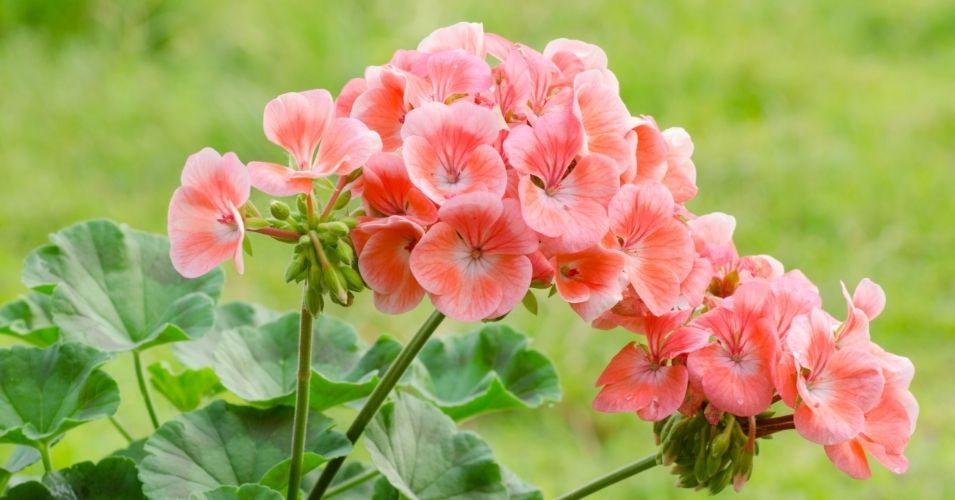
Geraniums are one of the most popular flowering plants for containers, borders, and garden beds, loved for their colorful clusters of blooms and long growing season.
As fall approaches and colder weather sets in, many gardeners wonder how to keep these vibrant plants alive until spring. While geraniums are often treated as annuals, they can survive the winter with the right care.
By learning how to overwinter them effectively, you can save your plants from frost damage, extend their lifespan, and enjoy an even more impressive display of flowers once warm weather returns.
Prepare Geraniums in Early Fall
As summer fades and cooler nights begin to settle in, it is important to prepare your geraniums for the coming cold. While they may still be blooming beautifully in early fall, waiting until frost arrives can leave you scrambling to save them.
Starting early allows you to give the plants the best chance of surviving winter in good condition and returning strong when spring arrives.
The first step in preparation is to decide which geraniums you want to keep. If your garden is full of them, you may not have room to store every single plant indoors.
Choose the healthiest ones with sturdy stems and vibrant growth. Stronger plants handle the transition into dormancy or indoor life much better than those that are already weak or diseased.
Pruning is another key step in early fall. Trimming back the plant by one-third helps reduce its overall size, making it easier to handle and store. This also removes old flowers and excess foliage, so the geranium conserves energy as it adjusts to lower light and cooler conditions. Be sure to use clean, sharp shears when pruning to avoid spreading disease.
Before bringing geraniums inside, inspect them closely for pests such as aphids, whiteflies, or spider mites. Washing the leaves with a gentle spray of water or wiping them with a damp cloth helps remove insects and their eggs.
Some gardeners even give the plants a short bath in soapy water, followed by a rinse, to ensure no hidden pests make the journey indoors.
Preparing the roots is equally important. If you plan to store geraniums in pots, repot them into containers with fresh soil. This gives them a healthy start and removes any unwanted bugs hiding in the old soil.
If you plan to store them bare-root, gently shake off most of the soil and let the roots dry slightly before moving them inside.
By taking these steps in early fall, you set your geraniums up for success. Proper pruning, cleaning, and potting make the transition smoother and reduce the risk of problems during winter. With careful preparation, your geraniums will be ready to rest safely until they can bloom again in the warmth of spring.
Geraniums Stored Dormant Indoors
One of the most effective methods of overwintering geraniums is storing them dormant indoors. This approach takes advantage of the plant’s ability to rest without soil or regular care, allowing you to preserve them through the cold months with minimal effort.
For gardeners who have limited indoor space or prefer not to keep geraniums as houseplants, dormant storage is a practical solution.
To store geraniums dormant, begin by digging them up before the first frost. Gently shake off excess soil and trim the stems back to about six inches. Removing most of the foliage reduces water loss and prepares the plant for its resting state. The bare-root plants may look stark after pruning, but this helps them conserve energy until spring.
Next, place the plants in paper bags, cardboard boxes, or hang them upside down in a cool, dark, and dry location. Basements, cellars, or unheated garages that stay above freezing but below 55 degrees Fahrenheit are ideal.
The key is to keep the roots dry enough to prevent rot, yet not so dry that the plants completely wither. Proper air circulation also helps prevent mold from developing.
Although geraniums in dormant storage require very little attention, it is important to check on them every few weeks. If the stems begin to shrivel, lightly mist the roots or soak them in water briefly before letting them dry again. If you notice mold or rot, remove the affected parts immediately to protect the rest of the plant.
In late winter or early spring, when the danger of frost is nearly over, you can revive your dormant geraniums. Pot them in fresh soil, water thoroughly, and place them in a bright, sunny window. Within a few weeks, new shoots will begin to emerge, and the plants will quickly regain their vigor.
Dormant storage is a time-tested method that allows gardeners to save geraniums year after year without the constant upkeep of keeping them in active growth. With only occasional checks and a little patience, you can bring them back to life in spring and enjoy their blooms for another season.
Keeping Geraniums as Houseplants
Another popular way to overwinter geraniums is to bring them indoors and keep them as houseplants. This method is ideal for gardeners who want to enjoy greenery and even a few blooms throughout the winter months.
Unlike dormant storage, this approach keeps the plants actively growing, although at a slower pace, and requires a bit more attention to light, water, and general care.
The first step is to select the healthiest plants to bring inside. Look for strong stems, firm leaves, and no signs of disease. Before moving them, prune back the foliage by one-third to reduce stress and make the plants easier to handle indoors. Inspect carefully for pests, rinsing or wiping leaves to ensure no insects hitch a ride into your home.
Geraniums thrive indoors when given bright light. Place them in a south or west-facing window where they can receive at least six hours of sunlight daily.
If natural light is limited, a grow light can supplement their needs and keep them from becoming leggy. Adequate light is essential to maintaining compact, healthy growth during the shorter days of winter.
Watering is another important part of care. While geraniums do not need as much water as they do outdoors in summer, they should not be allowed to dry out completely. Water thoroughly when the top inch of soil feels dry, and make sure pots have good drainage to prevent soggy roots. Overwatering is a common mistake indoors, so always check soil moisture before adding more water.
Fertilizing should be done sparingly in winter. A diluted, balanced fertilizer applied once a month is usually enough to support growth without forcing too much new foliage. Overfeeding can stress the plant and reduce its vigor when spring arrives.
By late winter, geraniums grown as houseplants often produce small blooms, a cheerful reminder of the growing season to come. When spring returns, these plants transition easily back outdoors, already strong and full of life.
Keeping geraniums as houseplants allows you to enjoy their beauty year-round while ensuring they remain healthy for another summer of vibrant color.
Protection for Outdoor Geraniums in Mild Winters
In regions with mild winters, geraniums can sometimes remain outdoors with proper protection. While they are not true cold-hardy plants, temperatures that stay above freezing or only dip slightly below can allow them to survive if given a little extra care.
For gardeners who prefer not to bring plants inside, this method is a practical compromise that reduces the effort of storage while still preserving the plants.
The key to keeping geraniums outdoors in winter is insulating the roots and shielding the plants from frost. Begin by applying a thick layer of mulch around the base of each plant, using straw, leaves, pine needles, or shredded bark.
This layer helps regulate soil temperature and protects the crown from sudden drops. Covering the root zone is especially important in areas where frost is infrequent but unpredictable.
During especially cold nights, covering the plants themselves provides additional protection. Lightweight fabric, burlap, or frost blankets can be draped over geraniums to shield them from frost damage. These coverings should be removed during the day to allow air circulation and prevent excess moisture from building up around the foliage.
Another option is to grow geraniums in containers and move them to sheltered spots during winter. Placing pots near the side of a house, inside a cold frame, or in a garage on the coldest nights provides extra warmth without bringing the plants fully indoors. Containers may need additional insulation, such as wrapping with burlap or straw, to protect roots from freezing.
Even in mild climates, watering needs change during winter. Geraniums require less water since their growth slows, but the soil should never be left bone dry.
A light watering every couple of weeks is often sufficient, depending on rainfall. Be cautious to avoid overwatering, as damp conditions combined with cool weather can lead to root rot.
By taking these precautions, geraniums can often survive winter outdoors in mild regions. When spring arrives, they are ready to resume active growth and bloom earlier than newly planted annuals. With careful attention to soil insulation, frost protection, and proper watering, you can enjoy your geraniums year after year without bringing them inside.
Spring Revival After Winter Care
When winter finally loosens its grip and the days begin to lengthen, it is time to bring your geraniums back to life.
After months of dormancy or slower growth indoors, these plants respond quickly to warmth and light, but they still need careful handling to transition smoothly. Spring revival is the moment where all your winter efforts pay off, as your geraniums awaken and prepare for another season of blooms.
For those stored dormant indoors, the revival process begins by removing them from their boxes, bags, or storage spaces. Check each plant carefully, discarding any that show signs of rot or disease. Healthy plants should have firm, greenish stems even if they appear dry.
Trim away any dead or weak growth, then pot each geranium in fresh soil. Place them in containers that drain well, using a lightweight mix enriched with compost to encourage root development.
Water them thoroughly after planting, but do not let the soil stay soggy. Consistent, moderate watering encourages new shoots to emerge without overwhelming the recovering roots.
Position the pots in a sunny window or beneath grow lights, where they can receive at least six hours of light per day. Within a few weeks, tiny green shoots should begin to sprout, signaling that the plant has awakened.
Geraniums kept as houseplants over winter require less adjustment, but they will still benefit from a spring refresh. Repot them into fresh soil, trim away leggy growth, and increase watering and fertilizing as the days grow longer.
Moving them outdoors should be done gradually. Begin by placing them outside for a few hours on mild days, then increase their exposure until they can stay outside full-time without stress. This process, known as hardening off, prevents shock and helps the plants adjust to outdoor conditions.
For geraniums that were protected outdoors in mild winters, revival involves removing winter mulch, trimming away any frost-damaged stems, and feeding the plants lightly with a balanced fertilizer. As temperatures warm, they will begin producing new growth rapidly and can be pruned into shape for fuller flowering.
Spring revival is a rewarding step that showcases the resilience of geraniums. With patience, proper care, and gradual adjustment, they return from their winter rest healthier and ready to fill your garden with color for another season.
Final Thoughts
Geraniums are more than summer annuals. With the right care, they can survive the cold months and return stronger the following year.
Preparing them in fall, storing them dormant, keeping them as houseplants, or protecting them outdoors in mild climates all provide reliable options for overwintering.
The method you choose depends on your climate and space, but each approach ensures your plants are not lost to frost. With careful attention to light, water, and insulation, geraniums can thrive year after year instead of being discarded each fall.
Overwintering geraniums is a small investment of effort that brings lasting rewards. By spring, your plants will be ready to grow, bloom, and bring vibrant color back to your garden, proving the value of your care and patience.