
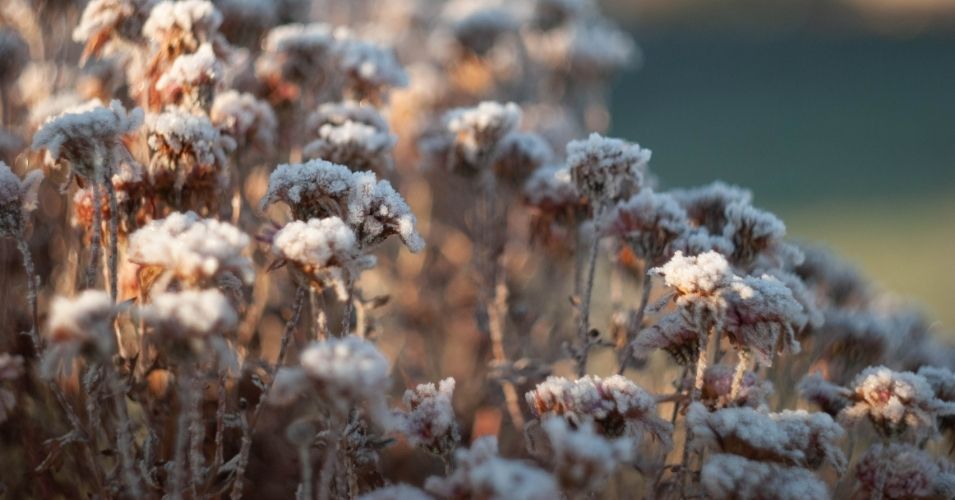
As summer fades and chilly nights creep in, many gardeners forget that not every plant can handle the cold.
Some of your favorite outdoor companions may survive a light frost, but others will suffer damage almost immediately.
By the time temperatures dip into the 40s, tropicals and tender potted plants are already at risk.
Bringing these plants inside before the first frost is not just about saving them for another year. It is about protecting your investment, keeping your home lively with greenery, and giving your plants the best chance to thrive when warm weather returns.
Tropical Houseplants That Cannot Handle Frost
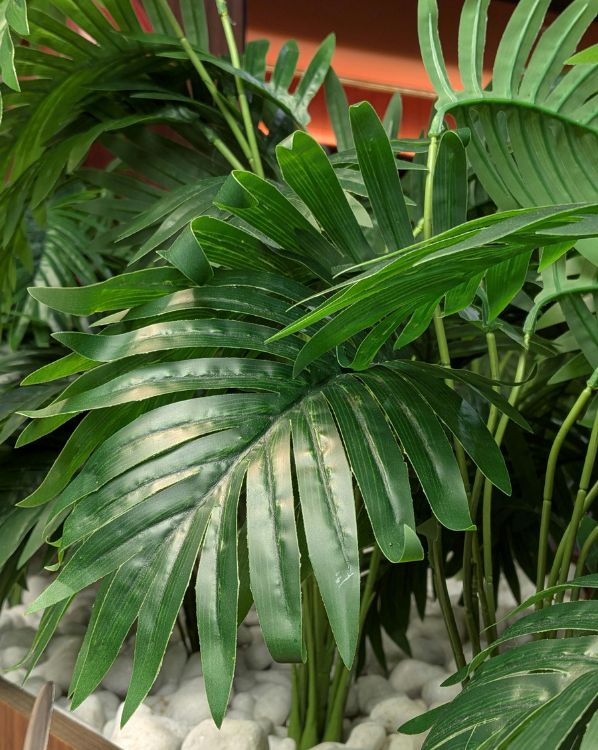
Tropical houseplants bring a lush, vibrant feel to patios and porches during the summer, but they are among the first to suffer once temperatures dip in fall.
These plants evolved in warm, humid climates where the temperature rarely falls below 60 degrees. Even a brief encounter with chilly air can cause stress, leaf drop, or permanent damage.
Some of the most common tropical houseplants include philodendrons, monsteras, peace lilies, and fiddle leaf figs. During summer, they thrive in outdoor conditions, enjoying brighter light and a fresh breeze. But once night temperatures start to drop into the 50s, it is time to move them indoors. Waiting until frost arrives is often too late, as their leaves can burn or wilt overnight.
Orchids, another popular tropical plant, are especially sensitive. Their roots and flowers are not built for chilly air and leaving them outside too long can kill next year’s blooms. Likewise, tropical flowering plants like hibiscus or mandevilla may produce gorgeous displays outdoors, but they will not survive if exposed to frosty nights.
Before bringing tropicals inside, it is important to inspect them carefully. Check for pests such as aphids, spider mites, or mealybugs. Rinse the leaves or give them a gentle shower to wash away dust and bugs. Repotting may also be a good idea if the roots have filled the container during the summer.
Once indoors, place them in bright but indirect light. Most tropicals prefer consistent moisture but not soggy soil, so adjust watering to account for lower evaporation rates inside the home.
Humidity can also drop in heated houses, so consider grouping plants or using a humidifier to replicate the environment they love.
By moving your tropical houseplants before the cold sets in, you protect their health and preserve their beauty. Instead of watching them decline, you can enjoy their greenery all winter long and look forward to setting them outside again when spring returns.
Tender Herbs That Need Indoor Warmth
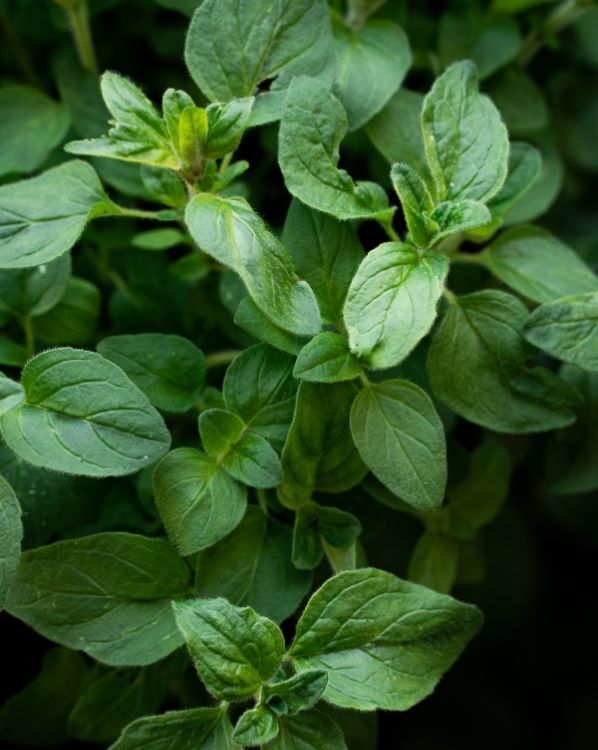
Herbs are some of the most rewarding plants to grow outdoors, but not all of them are tough enough to manage cool weather.
Many popular culinary herbs come from warm regions of the world, which means they struggle as soon as frost threatens. If you want to enjoy fresh herbs through the winter, these tender varieties need to come inside before the temperatures drop too far.
Basil is one of the best examples. Known for its fragrant leaves and fast growth, basil absolutely hates the cold. Even temperatures in the 40s can cause it to blacken and wilt.
Bringing it indoors before those chilly nights arrive is essential if you want to keep harvesting. Once inside, basil prefers a sunny windowsill where it can receive at least six hours of light each day.
Other herbs that benefit from being moved indoors include parsley, cilantro, oregano, and thyme. While some of these may tolerate cooler conditions for a short while, they will not survive repeated frosts. By transferring them inside early, you extend their usefulness and continue to season your meals with fresh, homegrown flavors.
When bringing herbs indoors, the transition should be gentle. Outdoor conditions provide more light and airflow than indoor spaces, so plants can experience shock if moved suddenly.
To ease this, start by placing herbs in partial shade outdoors for a few days, then bring them inside. This gradual adjustment helps them adapt to lower light levels without dropping leaves.
Once indoors, keep herbs in containers with good drainage. Water them carefully, as overwatering is one of the most common problems when growing herbs inside. Most prefer slightly dry soil between waterings, especially when growth slows in winter. A sunny window or supplemental grow light will keep them thriving until spring.
By giving your tender herbs indoor warmth during the colder months, you keep your garden alive in the kitchen.
Instead of relying only on dried herbs from the pantry, you can enjoy the fresh taste of basil pesto, oregano pizza toppings, or parsley garnishes long after the outdoor growing season has ended.
Flowering Annuals Worth Keeping Over Winter
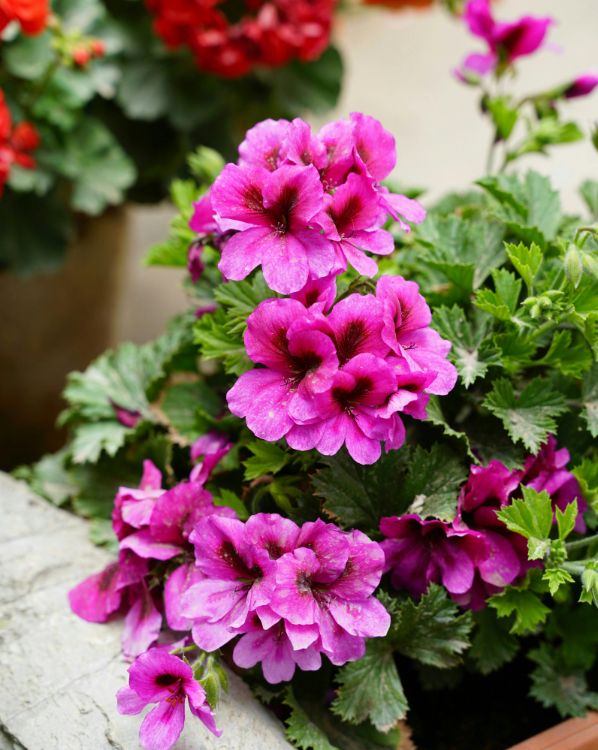
Annual flowers are often treated as one-season wonders. They bloom beautifully through spring and summer, then many gardeners let them go once frost arrives.
But some annuals are far too striking to discard at the end of the season. With a little planning, you can bring them indoors and enjoy their blooms or lush foliage long after outdoor gardens go quiet.
Geraniums are a classic example. Outdoors, they provide months of vibrant flowers, but they also adapt well to being overwintered inside. By trimming them back and placing them in a sunny window, you can keep them alive until spring. Come warmer weather, they bounce back quickly and reward you with another flush of flowers.
Begonias are another annual worth saving. Their colorful leaves and cheerful blossoms bring brightness indoors through the grayest winter days. Like geraniums, begonias appreciate bright light and slightly moist soil. They also thrive in containers, which makes them easy to move from the patio to the living room.
Petunias, impatiens, and fuchsias can also survive indoors if given the right conditions. While they may not flower as heavily as they did outside, they maintain enough growth to keep your space lively. With extra light from a grow lamp, many continue blooming modestly through winter.
When moving annuals inside, inspect them for pests and prune them to reduce stress. Removing leggy growth helps the plant adjust to lower light levels and encourages compact, healthy regrowth. Fertilizer should be used sparingly, since most plants grow slower during winter months.
By keeping your favorite annuals through winter, you not only save money by reusing the same plants but also surround yourself with greenery during the darker season. Instead of tossing them out, think of overwintering as giving your annuals a second chance to shine.
Succulents and Cacti Sensitive to the Cold
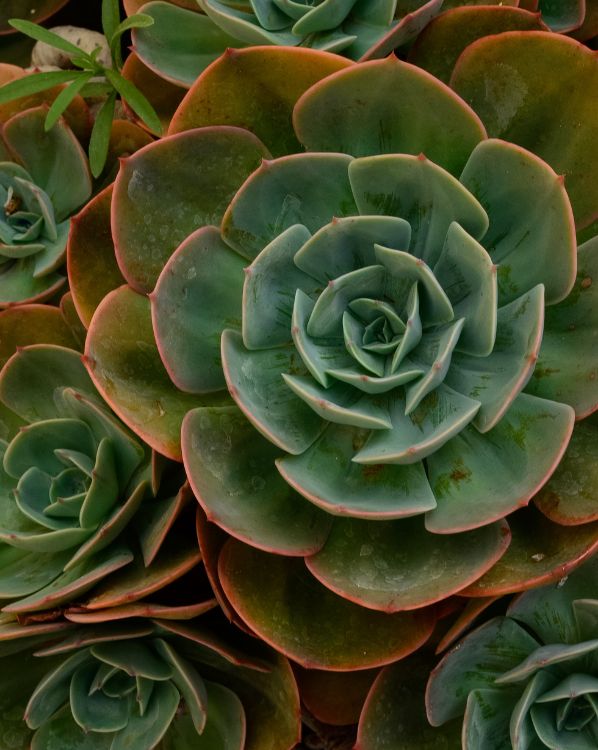
Succulents and cacti are often thought of as tough plants that can handle neglect, but one thing they cannot survive is prolonged cold.
Many of these plants are native to deserts or warm regions where frost is almost unheard of. Leaving them outside once nighttime temperatures dip below 50 degrees puts them at serious risk.
Popular succulents like echeveria, jade plants, and aloe are especially vulnerable. Their fleshy leaves store water, which makes them prone to frost damage. A single chilly night can leave them mushy and discolored. Bringing them indoors before the first frost ensures they remain healthy and ready to grow again in spring.
Cacti such as barrel cactus, prickly pear, or holiday cactus also benefit from indoor protection. While a few cold-hardy varieties exist, most cannot tolerate freezing conditions.
Indoors, they appreciate bright sunlight from a south-facing window and minimal watering. The goal during winter is to keep them cool and dry, mimicking their natural dormant period.
Transitioning succulents and cacti indoors requires some preparation. First, check for pests hiding between leaves or spines. Then, move them gradually to shadier spots outdoors before finally bringing them inside. This prevents shock from sudden changes in light levels.
Once indoors, avoid overwatering. Because growth slows in winter, succulents and cacti use less moisture. Let the soil dry completely between waterings, and be sure containers have excellent drainage. Too much water during dormancy is one of the fastest ways to kill these plants.
Another tip is to avoid placing them near heating vents. Dry, hot air can stress them, so try to keep them in cooler rooms with steady light.
By bringing succulents and cacti inside before the cold sets in, you protect their unique shapes and colors. These low-maintenance plants bring texture and charm to windowsills and tabletops, reminding you of sunny days while snow and frost take over outdoors.
Tips for Transitioning Outdoor Plants Indoors
Bringing plants inside for the colder months is more than just moving pots from the patio to the living room. Outdoor conditions are very different from indoor ones, and without a careful transition, many plants experience shock.
Sudden changes in temperature, humidity, or light can cause leaves to yellow, drop, or stop growing altogether. Taking time to transition your plants makes the move smoother and keeps them healthier through winter.
The first step is to inspect every plant closely before bringing it inside. Outdoor conditions often invite pests such as spider mites, aphids, or scale insects. If you do not check carefully, these pests can spread quickly to all of your indoor plants.
Rinse the leaves with a gentle spray of water, wipe them with a damp cloth, and treat any infestations with insecticidal soap if needed.
Next, consider pruning. Many outdoor plants may have grown tall and leggy in summer. Cutting them back slightly helps them adjust to reduced light indoors and encourages new, compact growth. Removing dead or damaged leaves also reduces the chance of pests following your plants inside.
Light is one of the biggest adjustments for plants. Outdoors, they enjoy hours of natural sunlight, but indoors, even a bright window often provides less. To ease this change, gradually introduce plants to shadier spots outside before bringing them indoors. Once inside, place them near the brightest windows or supplement with grow lights if needed.
Watering should also be adjusted. Most plants grow more slowly in winter, which means they use less water. Overwatering is a common mistake during this time, so always check the soil before watering again. Allow the top layer of soil to dry slightly for most species.
Finally, pay attention to humidity. Heated homes often have dry air that stresses plants used to outdoor moisture. Grouping plants, placing trays of water nearby, or using a humidifier can help recreate the humidity they enjoyed outdoors.
By following these tips, you make the transition indoors less stressful for your plants. Instead of struggling, they continue to grow steadily and bring life and greenery to your home until it is safe to return them outside again.
Final Thoughts
Plants that thrive in warm weather are often fragile when faced with fall chills. Bringing them indoors before frost is not just a matter of saving them but also of preserving beauty, flavor, and greenery during the duller months.
Tropical houseplants, tender herbs, annual flowers, and succulents all benefit from this seasonal move.
With careful preparation, inspection, and gradual adjustment, your plants adapt well to indoor life. They reward you with fresh herbs for cooking, vibrant flowers for brightness, and lush foliage that lifts your mood through winter.
Taking the time to care for them now ensures that when spring returns, they are strong, healthy, and ready to flourish once more outdoors.