
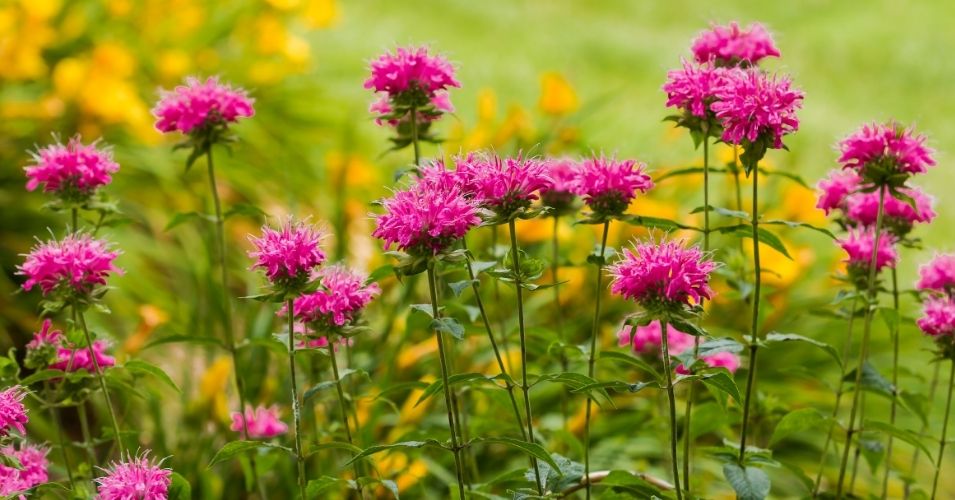
Spring is when bee balm wakes up and begins preparing for its brightest season.
After months of winter rest, the soil warms, new shoots appear, and gardeners get the perfect chance to help this lively plant thrive. Bee balm is loved for its colorful flowers, minty scent, and ability to attract pollinators like bees, butterflies, and hummingbirds.
A little attention in early spring can make a huge difference later in the year. With the right care, bee balm will grow fuller, bloom longer, and stay healthier throughout the growing season.
In this guide, you will learn simple but powerful ways to care for bee balm as spring begins.
Clear Away Old Stems and Winter Debris
As spring begins to warm the garden, bee balm slowly pushes out fresh green shoots from the base of the plant. Before this new growth can thrive, it helps to give the plant a clean start by removing what winter left behind.
Old stems, dried leaves, and fallen debris often gather around bee balm during the colder months. These leftovers can trap moisture and create a breeding ground for pests or diseases. Clearing them away allows air and sunlight to reach the soil and the young shoots that are just beginning to appear.
Start by examining the plant closely. You will usually see dry, brittle stems from the previous year standing above the plant’s crown. These stems are no longer useful. Use clean garden shears or pruners to cut them back close to the ground.
If the stems break easily, you may even be able to snap them off by hand. Work slowly so you do not damage the tender new growth emerging at the base. Sometimes the new shoots are only a few inches tall and easy to overlook.
Take a moment to gently move aside the old stems before cutting. This extra care protects the young growth that will soon form the plant’s leafy structure.
After trimming the stems, gather any loose leaves, weeds, or plant material around the base. Clearing the soil surface improves airflow and helps the ground warm up faster in spring.
Good airflow is especially important for bee balm. This plant can sometimes struggle with powdery mildew later in the season. Starting the year with a clean growing area reduces the chance of problems developing as the plant matures.
Once the area is tidy, the fresh shoots will have room to stretch toward the sunlight. The plant will look smaller for a short time, but this is normal. Within a few weeks, new stems will begin to grow quickly.
Soon, the plant will fill out again with strong green foliage, ready to support the bright blooms that appear later in summer. A simple spring cleanup sets the stage for healthy growth and a vibrant display of flowers.
Divide Bee Balm to Keep Plants Vigorous
Bee balm is known for its energetic growth. Over time, a single plant can spread outward and form a thick clump. While this might look impressive at first, overcrowding can weaken the plant’s center and reduce flowering.
Dividing bee balm in spring helps keep the plant healthy, balanced, and full of life.
When a clump becomes crowded, the outer edges continue growing while the center may become sparse or woody. Splitting the plant into smaller sections promotes growth and gives each section more space to develop strong roots and stems.
Early to mid-spring is an ideal time for this task. The soil is usually soft from seasonal moisture, and new growth has begun but has not yet reached full height.
Begin by lightly watering the area the day before you plan to divide the plant. Slightly moist soil helps loosen the roots and makes digging simpler.
Use a garden fork or shovel to dig around the outer edge of the clump. Work your way around the plant slowly and lift the entire root mass from the soil with steady pressure.
Once the clump is out of the ground, gently shake off excess soil so you can see the root structure more clearly. You will often notice natural sections within the clump where stems grow together.
These sections can sometimes be separated by hand. For thicker roots, a sharp garden knife or spade can help split the plant cleanly.
Each new division should contain several healthy shoots and a strong cluster of roots. Larger divisions tend to establish faster once replanted.
Choose a sunny location with well-drained soil for each new plant. Place the divisions at the same depth they were growing before, and firm the soil gently around the roots.
Water thoroughly after planting to help the roots settle into their new space.
Within a short time, the divisions will begin producing fresh growth. This simple spring task keeps bee balm vigorous, prevents overcrowding, and gives you more plants to enjoy throughout the garden.
Improve Soil and Adding Fresh Mulch
Healthy soil is one of the most important foundations for strong bee balm growth. When spring arrives, it is the perfect time to refresh the soil around your plants and give them the nutrients they need for the months ahead.
Bee balm grows best in well-draining soil that still holds enough moisture for steady growth. If the ground becomes compacted over time, water and nutrients may struggle to reach the roots. Loosening the soil in early spring helps create a better environment for the plant to grow.
Start by gently working the top few inches of soil around the base of the plant. A small hand fork or garden cultivator works well for this task. Move slowly so you do not disturb the roots or damage the new shoots that are emerging.
As you loosen the soil, take the opportunity to remove any small weeds that may have started growing. Weeds compete for nutrients and water, so clearing them early helps your bee balm focus its energy on healthy growth.
After loosening the soil, add organic material to enrich it. Compost is an excellent choice because it slowly releases nutrients and improves soil structure. Spread a layer of compost around the plant and lightly mix it into the top layer of soil.
This step provides a gentle boost of nutrients that supports steady spring growth.
Once the soil has been improved, it is time to add mulch. A fresh layer of mulch helps the soil hold moisture and keeps temperatures more stable as the weather continues to warm.
Organic mulches such as shredded bark, straw, or leaf mold work especially well in garden beds. Spread the mulch in a layer about two to three inches thick around the base of the plant.
Leave a small space around the stems so moisture does not collect directly against them.
Mulch also helps prevent weeds from sprouting during the growing season. With fewer weeds competing for resources, bee balm can grow stronger and fuller. Over time, the mulch will break down, adding even more organic matter to the soil.
By improving the soil and adding fresh mulch in spring, you create a supportive environment that encourages healthy roots, steady growth, and vibrant blooms later in the season.
Early Watering Habits That Support Healthy Growth
Water plays an important role in helping bee balm establish strong growth during spring. As temperatures rise and new shoots appear, the plant relies on consistent moisture to develop healthy stems and leaves.
Bee balm prefers soil that stays evenly moist without becoming soggy. Too little water can slow growth, while too much water may lead to root problems. Finding a steady balance helps the plant develop strong roots that support future flowering.
During early spring, natural rainfall may provide much of the moisture your plant needs. However, it is still important to monitor the soil regularly. Check the ground with your finger to see if the top inch of soil feels dry.
If the soil feels dry at that depth, it is usually time to water. When watering bee balm, aim to soak the soil slowly so moisture reaches the roots. Deep watering encourages the roots to grow downward, where they become more stable and resilient.
Light surface watering can lead to shallow roots, which may struggle during warmer weather later in the season.
Morning is often the best time to water garden plants. Watering early in the day allows excess moisture on the leaves to dry as the sun rises.
Dry foliage helps reduce the chance of fungal problems developing. Try to water at the base of the plant rather than spraying the leaves. Directing water toward the soil keeps the foliage drier and helps the roots absorb moisture more efficiently.
Mulch placed around the plant also helps maintain steady soil moisture. It slows evaporation and keeps the root zone cooler as temperatures increase.
As spring progresses, you may find that bee balm requires slightly more frequent watering, especially during warmer periods.
Pay attention to how quickly the soil dries and adjust your watering schedule as needed.
With steady moisture and careful watering, bee balm will develop strong stems and lush foliage, preparing the plant for a season filled with colorful blooms.
Prevent Powdery Mildew and Crowding
Bee balm is a beautiful and lively garden plant, but it does have one common challenge. Powdery mildew can sometimes appear on the leaves during the growing season. Taking a few simple steps in spring can greatly reduce the chances of this problem developing later.
Powdery mildew often appears as a white or gray coating on the leaves. It usually develops when plants become crowded, and air cannot move freely between the stems.
Spring is the ideal time to prevent this issue before it begins.
Start by checking the spacing of your bee balm plants. If several plants are growing close together, they may compete for air circulation and sunlight. Proper spacing allows fresh air to move through the foliage, which helps keep leaves dry and healthy.
If your plants have spread widely over time, consider thinning them slightly. Removing a few stems from the center of the clump can improve airflow without harming the plant.
Use clean pruning shears to cut selected stems near the base. This small adjustment allows light and air to reach deeper into the plant.
Good airflow is one of the most effective ways to reduce mildew problems.
Choosing the right location also plays an important role. Bee balm grows best in sunny areas where the leaves can dry quickly after rain or watering.
Shady or crowded spaces often retain moisture longer, creating conditions where mildew may thrive.
Watering habits also matter. Try to water the soil rather than the leaves whenever possible. Keeping foliage dry helps prevent fungal spores from settling and spreading across the plant.
Mulch around the base can help maintain steady soil moisture while keeping the leaves cleaner. Healthy plants are naturally more resistant to disease.
By keeping plants well spaced, removing crowded growth, and encouraging good airflow, you give bee balm a strong start in spring.
These simple steps make it much easier for the plant to grow lush, green foliage and produce its bright, showy flowers without being hindered by mildew.
Final Thoughts
Caring for bee balm in spring is simple, but the steps you take early in the season can make a big difference later on. Clearing away old growth, dividing crowded plants, improving the soil, and establishing steady watering habits all help create the conditions this plant loves.
When bee balm begins the season with healthy soil, good airflow, and enough space to grow, it responds with strong stems and vibrant blooms that attract bees, butterflies, and hummingbirds.
A little attention in spring allows this lively plant to flourish throughout the summer and become one of the most colorful highlights in the garden.