
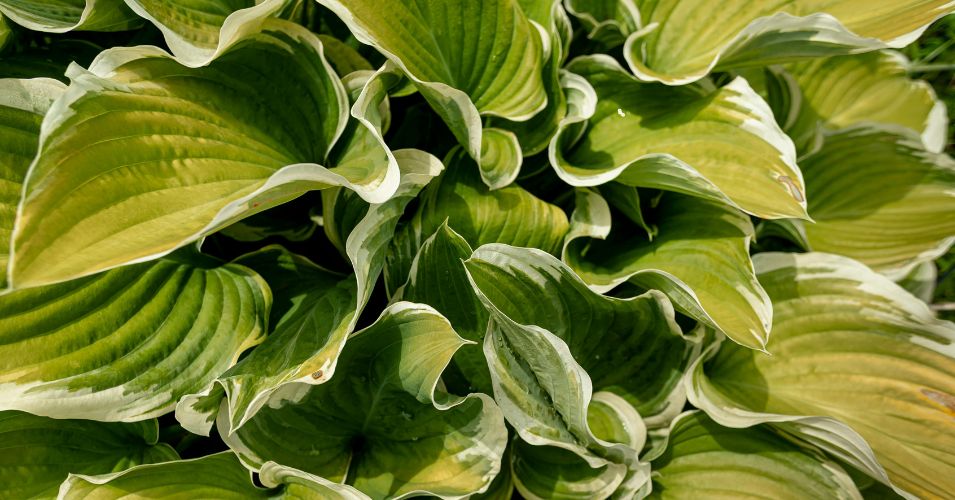
Hostas have a quiet way of transforming a garden.
They do not rely on bright flowers to stand out. Instead, they fill shady spaces with rich layers of green, blue, and gold foliage that feel calm and inviting.
When spring arrives, these dependable perennials begin to rise from the soil, sending up tightly rolled shoots that signal a new season of growth. What you do during these early weeks shapes how strong and beautiful your plants will become.
With the right care at the right time, your hostas can grow fuller, healthier, and more vibrant than ever.
Watch for Early Growth and Learn Your Plant’s Rhythm
Spring in a hosta garden begins quietly. At first, the soil looks bare. Then, small pointed tips begin to push upward through the earth. These early shoots are tightly wrapped leaves, ready to unfold when conditions are right.
Some hostas emerge as soon as the ground warms slightly, while others wait patiently until temperatures are more consistent. It is important not to panic if one plant appears before another. Different varieties wake up on different schedules, and that timing often stays consistent from year to year.
Watching this process teaches you how your specific plants behave. Take a slow walk through your garden every few days and notice which clumps break dormancy first.
Observe the color and thickness of the shoots. Blue varieties may emerge with a muted tone, while gold types can appear almost pale before deepening in color.
Larger hostas often send up thicker, more solid tips. Smaller varieties tend to look more delicate at this stage.
Pay attention to overall health as well. Strong shoots should be firm and upright, not mushy or collapsed. If most of the crown is producing evenly spaced growth, that is a good sign that the roots below are healthy.
Learning these patterns builds confidence. You begin to recognize what is normal for your plants and what might signal a problem.
This early-season awareness sets the tone for the rest of spring care. Instead of reacting in a rush, you respond patiently and understandingly.
Clear Away Winter Debris Without Damaging New Shoots
Once shoots begin to appear, it is time to gently clean the planting area. Winter often leaves behind flattened leaves, small branches, and soggy mulch.
All of this debris can trap moisture and create hiding spots for pests. It can also slow soil warming, delaying steady spring growth.
Start by removing old hosta leaves that remained after fall. Pull them away carefully by hand rather than yanking quickly. New shoots are tender and can snap easily if caught underneath old foliage.
If debris is tangled, use small pruners to cut it loose instead of pulling. Taking a few extra minutes here can prevent accidental damage that sets the plant back.
Work slowly around each clump. It may feel tedious, but this careful approach protects the fresh growth pushing up from the crown.
As you clear the surface, you may notice how tightly packed the emerging shoots are. This is a good sign that the root system below is healthy and active. Clearing away debris allows air and light to reach the soil, helping it warm more evenly and encouraging stronger development.
While cleaning, watch for early signs of pests hiding beneath damp material. Slugs, in particular, love cool, moist environments. Removing their shelter now makes it harder for them to settle in once leaves begin to unfurl.
As you clean, inspect the crowns closely. Healthy shoots should look firm and vibrant. If you notice soft, mushy, or dark sections, trim them away with clean tools to prevent rot from spreading. Early attention can prevent larger problems later in the season.
After the area is tidy, smooth the soil lightly without pressing it down. Avoid piling mulch directly against the crown.
Leaving a small open space around the base improves airflow and keeps excess moisture from collecting. A clean, open bed gives your hostas a strong, confident start as their leaves begin to expand and fill the shade garden once again.
Divide Crowded Clumps for Stronger Plants
Hostas are generous growers. Year after year, their crowns expand outward, producing more shoots and forming wider clumps.
At first, this creates a lush, full look that makes a shade bed feel rich and established. Over time, however, crowded plants can begin to compete with themselves for space, nutrients, and moisture.
Leaves may become smaller, and growth in the center can slow down or even thin out. Reduced airflow around tightly packed stems can also increase the risk of fungal problems, especially in humid conditions.
Spring is the ideal time to divide hostas because the shoots are visible but not yet fully leafed out. You can clearly see where new growth is forming, which makes it easier to separate healthy sections.
The soil is usually moist from seasonal rain, and roots recover quickly during this active growing period. Dividing in early spring gives plants an entire season to reestablish before winter returns.
Begin by digging carefully around the entire clump, starting several inches beyond the outer edge. This protects the main root mass from accidental cuts.
Lift the plant gently from the ground and shake or rinse away excess soil so you can clearly see the root structure and natural separation points. You may notice that older clumps naturally divide into sections with distinct shoots and roots.
Using a sharp spade or clean garden knife, separate the clump into manageable sections. Each division should include several shoots and a healthy portion of roots to ensure strong recovery.
Do not worry if the cuts seem bold. Hostas are resilient plants and typically respond well to division when done at the right time.
Replant each section at the same depth it was growing before. Space divisions far enough apart to allow for future expansion, keeping in mind the variety’s mature size.
Water thoroughly after replanting to help settle soil around the roots and remove air pockets. Within a few weeks, you will notice the divided plants adjusting and pushing out strong new leaves.
Dividing not only refreshes older clumps but also gives you additional plants to spread throughout your shade garden or share with others.
Feed and Water for Bold Leaf Growth
Once hostas begin unfurling their leaves, they shift into a period of rapid growth. What started as tightly rolled shoots quickly becomes expanding foliage, and this transformation requires steady nutrition and reliable moisture.
Large, dramatic leaves do not appear by accident. They require energy, and that energy comes from healthy soil supported by consistent care.
Early in the season, apply a balanced, slow-release fertilizer designed for perennials. This gives hostas a gradual supply of nutrients as they build leaf mass. Sprinkle it evenly around the base of each plant, keeping it a few inches away from the crown to avoid burning tender growth.
Water thoroughly after feeding so nutrients move down into the root zone where they are most effective. Slow, steady feeding supports strong development without forcing weak, overly soft leaves that can tear easily.
Watering habits matter just as much as fertilizer. Hostas prefer evenly moist soil, especially during active spring growth.
Check the soil regularly by pressing your finger a few inches below the surface. If it feels dry at that depth, provide a deep soak that reaches the roots.
Deep watering encourages roots to grow downward, creating more stable and resilient plants. Shallow watering, on the other hand, keeps roots near the surface, making plants more vulnerable to heat and drought later in the season.
Direct water at the base of the plant rather than over the leaves. Wet foliage can invite fungal issues, particularly in dense shade beds where airflow is limited.
A layer of organic mulch helps retain moisture, suppresses weeds, and keeps soil temperatures stable as spring progresses.
When hostas receive consistent feeding and thoughtful watering, their leaves grow thick, smooth, and richly colored. The texture improves. The color deepens. Strong early growth sets the foundation for a lush display that will carry your shade garden confidently into summer.
Stop Slugs Early and Keep Leaves Looking Perfect
Few things are more frustrating than watching beautiful hosta leaves become riddled with holes. Slugs are the most common culprit, and spring is when they emerge and begin to feed.
Young hosta leaves are tender and especially appealing to these pests, which is why early action matters so much. If you wait until the damage is obvious, slugs may already be well-established in your garden.
Begin by inspecting your plants regularly, especially in the early morning. Look for small, irregular holes or ragged edges on newly unfurled leaves. You may also notice silvery slime trails on the soil, mulch, or foliage. These shiny paths clearly signal slug activity.
Catching the problem at this stage makes control much easier and prevents widespread damage.
One of the simplest ways to reduce slug issues is to keep the area around your hostas clean and open. Remove excess mulch, fallen leaves, and damp debris where slugs like to hide during the day. Thick layers of wet material create cool shelter that allows them to thrive.
Good airflow and less clutter create a less welcoming environment. Watering in the morning instead of the evening also helps, since the soil has time to dry slightly before nightfall, when slugs become active.
You can place shallow dishes of beer near hosta clumps to trap slugs naturally. They are attracted to the scent and will crawl into the liquid. Empty and refresh these traps regularly for the best results.
Pet-safe slug bait is another option when applied carefully around the base of plants according to the label directions. Apply it early in the season before populations grow.
Encouraging natural predators such as birds, frogs, and ground beetles can also help maintain balance in the garden.
By staying observant and responding quickly, you protect the smooth texture and bold appearance that make hostas stand out in shaded spaces throughout the growing season.
Final Thoughts
Spring truly sets the tone for your hostas all season long. The care you give during these early weeks shapes how strong, full, and vibrant your plants will become as the months unfold.
By watching their early growth, cleaning carefully, dividing crowded clumps when needed, feeding consistently, and stopping slugs before damage spreads, you give your hostas every advantage. Each small step builds on the next, creating a solid foundation for healthy foliage and steady development.
With patient attention and thoughtful care, your hostas will reward you generously. Their leaves will grow broad and richly colored, filling shady spaces with texture and calm beauty. A little effort in spring leads to a garden that feels lush, balanced, and inviting all summer long.