
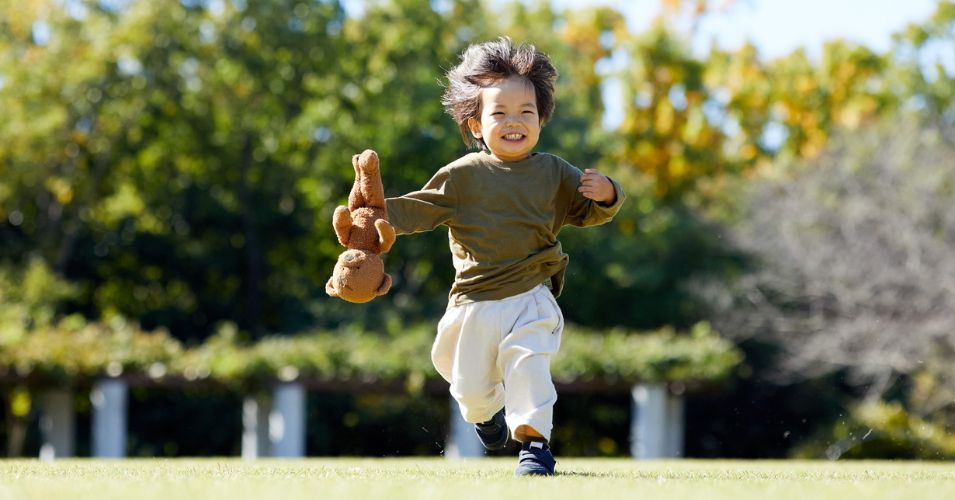
Happiness in children often shows itself in the smallest, most beautiful ways. A giggle during playtime, the sparkle in their eyes, or the calm comfort they find in your presence can all reveal a joyful heart.
For grandparents, noticing these signs is both heartwarming and reassuring. Happiness does not always mean constant laughter or excitement; it can also be seen in quiet confidence, curiosity, and kindness.
When a grandchild feels secure, loved, and free to express themselves, happiness naturally blooms. Understanding how it shows up in their daily life helps you nurture it and strengthen the bond you share.
How Their Joy Shines Through Everyday Moments
Happiness in a grandchild does not always appear in grand displays or loud laughter. Sometimes, it lives quietly in the ordinary moments of the day.
A child who hums while coloring, smiles when you look their way, or giggles at something simple like a bird outside the window is showing you that they feel secure and content. Their joy often shines most brightly in the routine parts of life, when they feel safe enough to just be themselves.
You can often see happiness in the lightness of their movements. They skip instead of walking`, talk freely without hesitation, and express their feelings openly.
A happy grandchild doesn’t need to hide their emotions; they feel comfortable enough to let their excitement and curiosity fill the space around them. Even when they experience frustration, they recover quickly because they know love surrounds them. That sense of emotional safety is one of the strongest signs of happiness.
A joyful child also finds beauty in small things. They may laugh at bubbles floating through the air or find fascination in helping bake cookies. These moments might seem simple to an adult, but for a child, they represent wonder and connection. When they can enjoy the world around them without needing constant stimulation or reward, it shows that their happiness comes from within.
Grandparents often bring out this kind of joy naturally. Your calm presence, gentle voice, and willingness to listen create an atmosphere where happiness can thrive. When your grandchild runs into your arms, tells you about their day, or shares a small accomplishment with excitement, they are showing that they associate you with love and comfort.
It’s also easy to see happiness in how they handle quiet time. A grandchild who can play independently, talk to themselves while imagining a story, or sit peacefully beside you while coloring feels content in their own company. Happiness does not always mean energy; sometimes it means quiet satisfaction.
The most beautiful part is that their joy reflects the love they receive. When a child feels valued, protected, and heard, they learn that life is good. Their happiness becomes steady, not just a burst of excitement. Watching their smiles, hearing their laughter, and seeing the ease in their movements are daily reminders that your love is shaping a peaceful, joyful heart.
Curiosity and Play as Clues to a Happy Heart
A child’s curiosity is one of the most natural signs of happiness. When your grandchild is eager to explore, ask questions, and play freely, it shows that they feel confident and secure in the world around them. Curiosity means they trust that learning will bring joy rather than fear. A happy grandchild looks at life with open eyes, eager to touch, build, and imagine without hesitation.
You might notice their curiosity in simple ways. They may ask endless “why” questions, take things apart to see how they work, or invent games out of everyday objects. Each question and every bit of playful experimentation reveals a joyful mind at work.
Children who are happy see discovery as fun, not as a task to complete. They are not afraid to be wrong or to try again. Their play is full of laughter, movement, and imagination.
Play is one of the purest forms of self-expression. A child who feels free to play is showing that they are emotionally safe. They can be silly, creative, or even messy without fear of judgment. This kind of play builds not only intelligence but emotional strength. Through play, they process experiences, explore emotions, and build confidence in their abilities.
Grandparents play a special role in nurturing this side of happiness. You can join in their games, encourage their imagination, or share your own childhood stories. When you sit on the floor and play pretend, you are not just passing time; you are validating their sense of wonder. Your interest tells them that what they care about matters.
Curiosity also grows when adults encourage questions rather than rush through them. When your grandchild asks something unexpected, instead of giving a quick answer, explore it together. Look up a picture, test an idea, or experiment with it in real life. These shared discoveries become lasting memories and teach them that curiosity is something to celebrate.
A happy grandchild’s curiosity is not limited to objects; it also extends to people. They may ask about your stories, your favorite memories, or how things were “when you were little.” These questions show emotional connection and genuine interest in understanding others. It’s a sign that they are engaged, thoughtful, and emotionally secure.
When a child’s curiosity and playfulness flourish, it means their heart feels light. They are not burdened by fear or stress. They find joy in learning and laughter in exploration. The way they engage with the world, with eyes wide open and imagination in full color, reveals that their happiness is alive and growing beautifully.
The Warmth You Feel in Their Relationships
A truly happy grandchild radiates warmth in the way they connect with others. You can feel it in the way they interact with family, friends, teachers, and even pets.
A child who is emotionally content naturally builds trust and affection in their relationships. They are kind, forgiving, and eager to share their world with the people they love.
You may notice this warmth in the small gestures they make. They might offer a hug without being asked, share their favorite toy, or laugh freely when playing with others. Their actions show a balance of comfort and generosity. A happy child does not feel threatened by others; instead, they find joy in belonging.
Their relationships with adults often reveal the depth of that happiness. When a grandchild approaches you with stories, questions, or a simple smile, it means they feel safe and valued. Children who are happy do not hesitate to express affection. They enjoy being close, listening, and engaging in moments of connection. That emotional openness reflects security at home and love in their heart.
Among peers, a happy grandchild shows empathy and cooperation. They can take turns, share, and express care when a friend is upset. They want others to be happy too. Even disagreements are handled with less anger because they have learned that love and understanding are stronger than frustration.
Grandparents play a big part in nurturing this warmth. The time you spend together teaches them that relationships are built on care and respect. When you show patience, listen with interest, and value their opinions, they learn to treat others the same way.
A happy child also shows comfort in being themselves around others. They do not pretend to be someone else or hide their emotions. They feel accepted for who they are, which allows them to express kindness and joy authentically.
The warmth you feel when your grandchild reaches for your hand, looks into your eyes, or says “I love you” is more than affection. It is a reflection of their inner peace. Happiness glows brightest in relationships that are full of laughter, trust, and mutual respect. When those connections thrive, you can be sure their heart is happy and growing strong.
Confidence That Grows from Feeling Loved
Confidence is one of the most visible signs of a happy child. It shows in the way they take on challenges, express their thoughts, and move through the world with a sense of ease. This confidence does not come from perfection or praise alone. It grows from the steady reassurance of love. When your grandchild knows they are valued and accepted, they begin to believe in themselves.
A confident grandchild is not afraid to try new things. They may stumble or make mistakes, but they do not see failure as defeat. Instead, they laugh, try again, and take pride in the effort.
Their courage comes from knowing that love does not disappear when they fall short. You can often see this in small moments, like when they proudly show you a drawing or attempt a new task just to make you smile.
The link between happiness and confidence runs deep. Children who feel secure at home have the freedom to explore without fear. They are more likely to share ideas, make friends, and express curiosity. Their inner voice says, “I am safe,” and that belief allows them to grow stronger with each new experience.
Grandparents have a special influence on this kind of growth. Your encouragement means more than you may realize. When you say, “I believe in you,” or “You can do this,” those words settle deeply into their heart. They become the quiet voice of reassurance your grandchild will carry into the world.
Confidence is also built through gentle guidance. Let them help with small tasks and make simple choices. Each responsibility teaches independence and pride. Even when they make mistakes, responding with patience instead of criticism helps them build resilience.
A happy and confident child sees the world as a place full of possibility. They approach challenges with hope instead of fear. Most importantly, they understand that love is not earned through success but freely given. That understanding becomes the foundation for a lifetime of courage, kindness, and self-worth.
The Gentle Gratitude Hidden in Small Gestures
True happiness often shows itself in the quietest ways. In children, gratitude is one of the clearest signs of a peaceful and joyful heart. When a grandchild feels loved, they begin to notice the care that surrounds them.
They respond with small, sincere gestures that reveal how deeply they value kindness. You may see it when they hand you a flower, save a cookie to share, or simply smile in thanks after you help them. These moments, though small, speak loudly of happiness.
Gratitude grows naturally in children who feel secure and understood. A happy grandchild sees love not as something to expect, but as something to appreciate. They notice the time you spend reading with them, the meals you prepare, and the attention you give.
Their response is often wordless, shown instead through a tight hug, a hand-drawn card, or the sparkle in their eyes when they say thank you. These actions show that your love has settled warmly in their heart.
Grateful children often speak about others with fondness. They remember who helped them, who listened, and who made them laugh. When they mention you proudly in their stories, it means you hold a special place in their world. Their happiness is tied to the sense of belonging that gratitude strengthens.
You can nurture this quality through example. Show thankfulness for everyday things: a good meal, a sunny morning, or a helping hand. When you say thank you often and sincerely, they learn that gratitude is a natural part of life.
Talk with them about kindness and how it spreads when people appreciate one another. These lessons shape their view of relationships and teach them that joy grows when it is shared.
The gentle gratitude that shines through their small gestures is one of the purest reflections of happiness. It means they see the world as a good place and the people around them as blessings. When a grandchild expresses appreciation from the heart, it shows that they are content, secure, and surrounded by love that they truly recognize.
Final Thoughts
A happy grandchild is not defined by how loudly they laugh or how often they smile. True happiness appears in quiet confidence, curiosity, love, and thankfulness. It lives in the calm moments as much as in the playful ones.
As a grandparent, you help shape that happiness each day. Your love, patience, and understanding build the foundation for their sense of security and joy. The more seen and valued they feel, the brighter their spirit grows.
In the end, their happiness becomes the greatest reflection of your care. Every shared story, warm hug, and kind word leaves a lasting mark on their heart, showing them that life is full of love worth cherishing.