
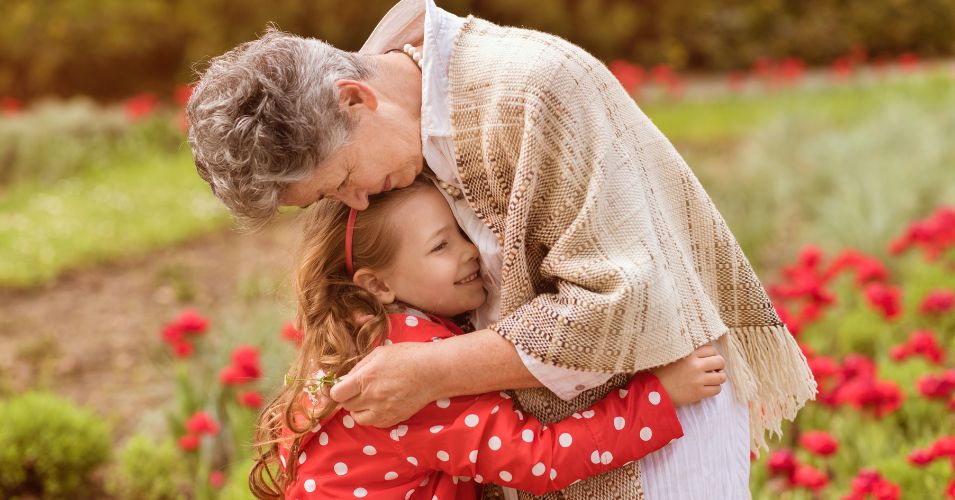
There are few things more painful for a grandmother than feeling like she is standing on the outside looking in. You may love your grandchild deeply, but sometimes it seems that the parents favor the other grandma.
Maybe she gets invited more often, or her advice carries more weight. These moments can quietly hurt, leaving you wondering what you did wrong. But favoritism, whether real or perceived, often has complex roots.
With patience, understanding, and a little grace, it is possible to find peace and preserve your place in your grandchild’s world.
Parents Feel More Comfortable with Their Own Parents than with Their In-Laws
One of the most common reasons parents lean toward one grandma over another is familiarity. When a parent grew up close to their own mother, there is a natural comfort and trust that carries into adulthood.
They may instinctively turn to her for advice, especially when faced with the challenges of raising children. This closeness is not necessarily about preference, but about emotional history.
The parent has spent years sharing memories, seeking guidance, and relying on that relationship. It becomes a safe space where they feel understood without needing to explain themselves.
If you are the other grandma, it can be easy to feel like an outsider in these situations. You may notice the other grandmother’s influence in parenting choices or holiday plans, and it can sting.
But instead of seeing it as competition, try to understand that this bond was built long before you were part of the picture. You are witnessing a continuation of their lifelong connection, not a judgment of your worth or love for the grandchild.
Handling this dynamic with grace means focusing on building your own unique connection with both the parents and the child. You do not have to compete with history to be meaningful in the present. Be reliable, kind, and patient. Offer help when needed but also respect boundaries. Over time, parents come to value calm dependability more than familiarity alone.
Find small ways to connect that reflect who you are. Maybe it is cooking together, reading stories, or simply showing up when you say you will. These consistent moments quietly build trust.
While you may not share the same emotional past as the other grandma, you can create a beautiful present that stands on its own. Love has many roots, and yours can grow steadily when you tend to it with understanding.
Shared Beliefs and Parenting Styles Build Natural Trust
Parents often favor the grandma whose values and parenting styles mirror their own. When beliefs about discipline, health, or daily routines align, it creates a sense of reassurance. The parent feels that this grandma will respect their rules, support their choices, and handle their child in ways that feel familiar.
It is not that the other grandmother is wrong or unkind, but that consistency brings peace of mind. Raising children is filled with uncertainty, so parents naturally gravitate toward people who make them feel secure and validated.
If your approach to parenting differs from theirs, it can unintentionally create tension. Maybe you believe in more freedom, while they prefer structure. Or perhaps your generation handled bedtime, snacks, or screen time differently.
These small differences can feel bigger than they are, especially to new parents trying to establish routines. When they see that one grandma reinforces their rules while another questions them, they may subconsciously lean toward the one who feels easier to align with.
The best way to handle this is through empathy and flexibility. Even if you disagree with their methods, show respect for their role as parents. Instead of saying, “We did it differently in my day,” try asking, “How would you like me to handle this when I’m watching the kids?” That small shift in wording tells them you value their authority. It builds trust rather than defensiveness.
Over time, that respect softens differences and makes room for your influence to shine. Parents begin to see that you are not trying to take over, but to support them.
You do not have to change your beliefs completely. You simply need to make space for theirs. When love and respect guide your choices, trust grows naturally, even when styles differ.
Availability and Willingness to Help Influence Parental Choices
Parents are often pulled in many directions at once, balancing work, home life, and the constant demands of raising children. When one grandma consistently steps in to help without hesitation, it naturally leaves an impression.
Parents remember who volunteers to babysit on short notice, who helps when a child is sick, or who brings meals during stressful weeks. Over time, the grandma who is available and ready to help becomes the one parents lean on most often. It might seem like favoritism, but in many cases, it’s about practicality rather than preference.
Being the available grandma doesn’t always mean living nearby. It can also mean being emotionally available, responding quickly to messages, or checking in regularly. When parents know they can rely on you, even from afar, it builds a quiet trust that lasts.
But if you have a busy schedule or health limits that make frequent involvement difficult, you might worry that your lower visibility makes you seem less caring. The truth is, love does not depend on how many times you show up, but how you show up when you do.
If you find yourself wishing you could help more, focus on what’s possible within your reality. Offer specific support that fits your energy and time. Maybe it’s a weekly video call, sending care packages, or offering to read bedtime stories over the phone. Simple gestures often mean just as much as physical presence.
When parents favor the more available grandma, resist the urge to feel replaced. Instead, remind yourself that their preference reflects their current needs, not your value. The best way to handle this is with kindness and patience.
Express understanding for their situation, and continue showing love in ways that feel natural to you. Reliability in any form nurtures connection. Over time, parents will appreciate your steady presence, even if it looks different from the other grandma’s role.
Personality and Temperament Affect Comfort Levels with Each Grandma
Every family has its own rhythm, and personalities play a major part in how relationships form. Parents often gravitate toward the grandma whose personality feels easiest to connect with. Some grandmothers are naturally calm, adaptable, and easy to talk to, while others have stronger opinions or more intense energy.
These traits are not bad, but they do shape comfort levels. Parents under stress often seek simplicity and warmth, which can make one grandmother’s temperament feel easier to manage than another’s.
If you are more outspoken, organized, or protective, your intentions might be loving, but parents could misread them as controlling. They might choose to spend more time with the grandma who seems less likely to challenge their decisions.
This doesn’t mean you’re doing something wrong. It simply reflects how people respond emotionally when they’re under pressure. Recognizing this helps you adjust your approach without losing your authenticity.
To handle this gracefully, start by being aware of your tone and timing. Offer advice only when it’s invited, and lead conversations with encouragement rather than correction.
A simple “You’re doing a great job” can open the door for more connection than a well-meaning suggestion. Parents remember how they feel around you more than what you say.
If your personality is naturally lively or strong, don’t feel you have to suppress it. Just balance it with warmth and patience. Ask questions instead of giving directions, and share memories that inspire rather than instruct. Over time, parents begin to associate your presence with peace, not pressure.
When you allow your temperament to become a source of calm rather than conflict, parents will feel drawn to you naturally. The goal isn’t to change who you are, but to let the gentler side of your personality take the lead. Love flows more freely when comfort replaces tension, and that’s where genuine closeness begins.
Past Family Dynamics Shape How Parents Divide Their Attention
Every family carries history, and that history often lingers quietly in the background of new relationships. Parents do not always realize how their past experiences influence how they interact with each grandmother.
If their relationship with one side of the family has always been close, peaceful, or supportive, it feels natural to continue that pattern. If the other side of the family has been more distant or complicated, parents may unintentionally keep that distance even after children come along.
These emotional patterns can go back generations. Sometimes, old tensions between families or personality differences between in-laws can subtly shape how often visits happen or how comfortable parents feel in one home compared to another.
It is rarely about who is more loving or kind, but about what feels familiar or easy. Family habits and emotional comfort zones often decide who gets called first or who gets invited to stay longer.
Understanding this can be painful, especially when you know you’ve done your best to be kind and involved. But holding onto frustration only deepens the divide. Instead, recognize that you cannot rewrite family history, but you can write a new chapter in how you respond to it. Approach each interaction with calm confidence and grace. Let your warmth and steadiness speak louder than past misunderstandings.
You can also take gentle steps to bridge old gaps. Show genuine interest in the parents’ lives without judgment. Ask questions that show care rather than curiosity. Be the one who chooses peace even when the past feels heavy. The more you model kindness and consistency, the more parents begin to associate you with safety rather than tension.
Over time, families can outgrow old patterns. Healing begins when one person decides to stop repeating the cycle and instead offers love without expectation. When you make peace your priority, you give everyone permission to move forward, including yourself.
Final Thoughts
Feeling like the less-favored grandma can weigh heavily on your heart. It touches something deep because it’s about love, belonging, and the desire to be seen. But what truly matters is not how often you’re chosen, but how deeply you love when you are.
Grace, patience, and quiet consistency often speak louder than any comparison. Parents will remember how you made them feel safe and supported, not how often you were present.
Every small moment of kindness plants a seed of trust that grows with time. No matter how the balance shifts, your love remains a lasting gift.