
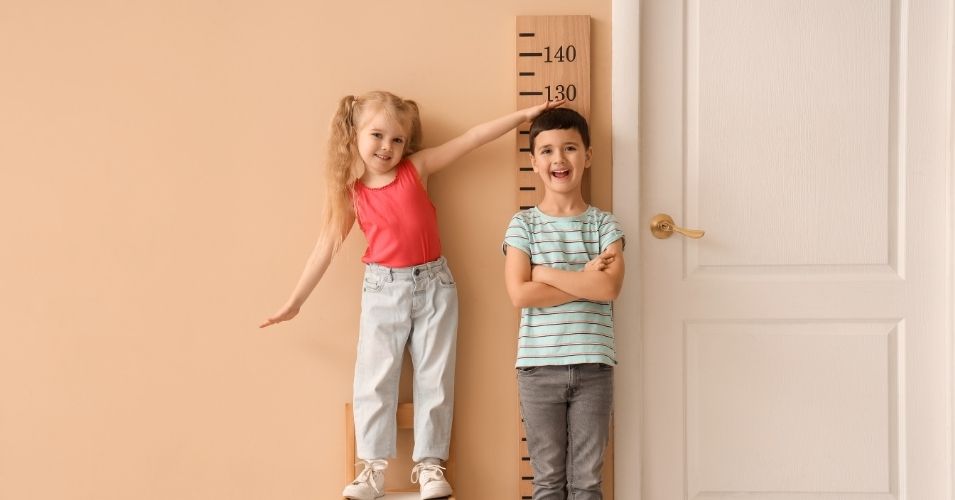
Growth spurts are some of the most fascinating stages in a child’s life. They can seem to appear almost overnight. From one day to the next, your grandchild’s clothes fit differently, and their appetite seems endless.
These growth phases are more than just physical changes; they also affect energy, emotions, and sleep. As a grandparent, noticing the signs early helps you understand what your grandchild’s body is experiencing.
With patience, reassurance, and a little extra care, you can make these rapid transitions easier and more comfortable for them as they continue to grow and flourish.
Appetite Surges That Seem to Come Out of Nowhere
One of the first and most noticeable signs of a growth spurt is a sudden increase in appetite. It can feel like your grandchild has transformed into a bottomless pit overnight.
They may ask for second or third helpings at meals, raid the kitchen for snacks, or wake up hungry even after eating well the day before. This sudden hunger is a natural signal from their body that it needs more fuel to support the rapid changes happening inside.
During a growth spurt, the body is hard at work building muscle, bone, and tissue. This process demands extra calories and nutrients. A child might crave protein-rich foods, like eggs or chicken, or seek out carbohydrates for energy.
Sometimes, their appetite leans toward frequent snacking rather than large meals. What matters most is that they are eating balanced foods that nourish rather than just fill them up.
You may also notice changes in how they eat. A child who once ate slowly might now finish meals quickly and look for more. Others might suddenly prefer hearty, filling foods over lighter ones. These shifts are normal and usually temporary. Their eating habits often return to normal once the growth phase slows down.
As a grandparent, you can support them by keeping healthy, easy snacks on hand. Offer fruit, yogurt, whole-grain crackers, or cheese rather than sugary treats. Encourage hydration, too, since growing bodies need plenty of water. Thirst can sometimes feel like hunger, so keeping a water bottle nearby can help them stay balanced.
It is also important not to pressure them about how much they eat during this time. Let their body lead the way. They will naturally adjust their intake as the spurt passes. The key is to provide variety, nutrients, and understanding.
Most of all, remember that this appetite surge is a sign of progress. It shows that their body is developing right on schedule. The meals they enjoy at your table are not just food; they are building blocks for a strong and healthy future. Watching them eat heartily and grow stronger each day can be one of the most rewarding parts of being a grandparent.
Sleep Patterns Shifting Toward More Rest
Another clear sign that your grandchild is going through a growth spurt is their sudden need for more sleep. A child who once woke up early with boundless energy might start sleeping later, taking naps again, or looking tired earlier in the evening.
This change often surprises parents and grandparents, but it is a natural and necessary part of growth.
Sleep is when the body does much of its developing work. During deep rest, growth hormones are released, helping bones lengthen, muscles strengthen, and tissues repair. Because of this, a child in a growth spurt may seem to need more rest than usual. You might notice them yawning more, stretching frequently, or asking to lie down at times when they would normally be active.
This extra need for sleep can also make them appear sluggish or moody. Fatigue from rapid growth can make concentration harder, and emotional ups and downs can follow. Instead of worrying, see this as a sign that their body is working overtime. Their sleepiness is simply their way of adjusting to a faster rate of change.
To help, create an environment that encourages good rest. Keep their bedtime routine calm and predictable. Reading a book, listening to soft music, or dimming the lights can signal to their body that it is time to wind down. Make sure their room feels comfortable and quiet, since overstimulation can interfere with quality sleep.
Grandparents can also support healthy sleep through gentle reminders. Encourage them to rest when they seem tired, even if it means an earlier bedtime or a short nap during the day. Avoid too much screen time before bed, as bright lights can make it harder to fall asleep.
It is normal for sleep patterns to change again once the growth spurt slows. Over time, their energy levels will even out and their natural rhythm will return.
For now, their increased rest is a sign that their body is growing just as it should. Each nap and long night of sleep is helping them develop strength, height, and vitality that will carry them into their next stage of childhood.
Occasional Aches and Pains in Growing Bodies
If your grandchild starts mentioning sore legs or aching arms, it may not always be from playing too hard. These complaints are often signs that their body is stretching and adjusting during a growth spurt.
Known as growing pains, these mild aches are common in children and usually appear in the evening or at night when the body is winding down. They can seem worrisome at first, but they are simply part of the body’s natural process of development.
Growing pains often come and go without a clear pattern. Your grandchild might feel fine one day and wake up sore the next. The discomfort usually affects both legs, especially in the thighs, calves, or behind the knees. It is rarely constant and typically fades with gentle care and rest.
Some children experience these sensations more than others, and it does not mean anything is wrong. It is a sign that their bones and muscles are expanding rapidly and adjusting to new growth.
You may notice that these aches appear more often after a busy day of running, jumping, or playing outside. Physical activity can make the muscles tired and more sensitive when combined with growth.
Warm baths, gentle massages, or light stretching before bed can help ease the discomfort. Offering reassurance is equally important. Let them know that the soreness will pass and that it means their body is growing stronger.
Sleep can sometimes be interrupted by these pains, especially when the discomfort flares at night. If that happens, soothing words and gentle comfort often help more than medicine. If the pain is severe, one-sided, or persistent, it’s best to discuss it with their parents or a doctor to rule out other causes.
Grandparents can help by creating a calm, caring bedtime routine. Reading a story or rubbing their legs lightly before bed can help them relax. Encouraging hydration and a balanced diet rich in calcium, magnesium, and vitamin D also supports strong bones and muscles.
While growing pains can be uncomfortable, they are one of the most common and harmless signs of development. The good news is that they usually fade as the growth spurt slows down. Knowing how to comfort and reassure your grandchild during these moments strengthens your bond and helps them understand that growing up is a natural and beautiful journey.
Mood Changes and Energy Swings During Growth
Growth spurts affect more than the body; they can also influence emotions and energy levels. If your usually cheerful grandchild suddenly becomes moody, tired, or easily frustrated, they might be experiencing the emotional side of growth.
These changes can happen because their body is using so much energy to develop that it leaves less for focus and patience. Rapid growth can feel physically demanding, and children often do not have the words to explain what they are feeling.
You might notice quick shifts in behavior. One moment, they are full of laughter and activity, and the next, they seem tired or irritable. These ups and downs are normal. Their body is adjusting to new hormones, muscle changes, and brain development that happen alongside physical growth. This combination can leave them feeling sensitive or overwhelmed.
Sleep disruption also plays a role in mood swings. When they need more rest but do not get enough, irritability and emotional outbursts are more likely. Hunger can also make things worse.
During growth spurts, blood sugar levels fluctuate faster, leading to crankiness if meals or snacks are delayed. Sometimes, the best solution for moodiness is simply rest, food, or reassurance.
As a grandparent, your calm presence can make a big difference. When they are having an emotional day, respond with patience instead of correction. A quiet activity, a walk outside, or simply sitting together can help them reset. Let them know that it is okay to feel off sometimes and that these feelings will pass.
Encouraging healthy habits helps too. Regular meals, hydration, and time outdoors balance their energy levels. If they feel supported instead of pressured, their moods stabilize more quickly. You can also remind them of their strengths by saying things like, “You handled that well,” or “I can see you’re growing in so many ways.”
Mood changes during growth are temporary, but they are meaningful signs that development is in full swing. Emotional growth is just as important as physical growth, and both happen together. With love, patience, and understanding, you can help your grandchild navigate these waves of change and come through feeling confident, capable, and deeply loved.
New Skills and Independence Emerging Afterward
After a growth spurt, many grandparents are amazed to see sudden leaps in what their grandchild can do. Growth is not limited to height or shoe size. It also affects coordination, balance, and confidence.
Once the body has adjusted to its new proportions, new abilities often seem to appear out of nowhere. A child who struggled to climb the jungle gym might suddenly move with ease. Another who was cautious about reading or solving puzzles may now show sharper focus. These changes are exciting signs that their development has reached a new level.
Physical growth often enhances strength and agility. Once their bones and muscles stabilize after a spurt, children gain better control over movement. They may start running faster, jumping higher, or throwing a ball farther.
This improvement brings a sense of accomplishment that boosts their self-esteem. They are learning how to use their growing body, and every success gives them more confidence to try new challenges.
You might also notice mental and emotional growth. After periods of restlessness or mood changes, children often emerge with more patience, understanding, and curiosity. It can feel as if their mind has caught up with their body. They may begin expressing deeper thoughts, asking more complex questions, or showing empathy toward others. These emotional milestones are just as valuable as the physical ones.
Grandparents play an important role in this stage. You can encourage new independence by giving them opportunities to take on small responsibilities. Let them pour their own drink, help in the garden, or choose what to wear. These moments teach self-reliance and help them practice decision-making. Praise their efforts instead of only their achievements. This shows that growth is about trying, learning, and improving, not about perfection.
Growth spurts can be tiring and sometimes confusing for children, but what follows is often a time of discovery. Their newfound coordination, confidence, and curiosity are signs that they are adjusting beautifully. By offering gentle support and celebrating their progress, you help them see growing up as something exciting rather than intimidating. These small moments of independence are stepping stones toward the capable, confident person they are becoming.
Final Thoughts
Growth spurts can seem mysterious, but they are a natural and wonderful part of childhood. They bring appetite changes, longer sleep, emotional shifts, and new skills that reflect both physical and mental progress.
Each phase is a sign that your grandchild’s body and mind are working in harmony to help them grow strong and healthy.
As a grandparent, your calm encouragement helps them through the ups and downs of these changes. Your patience, reassurance, and love remind them that growing takes time. In every meal shared, every hug offered, and every story read before bed, you are helping their growth feel safe, supported, and full of joy.