
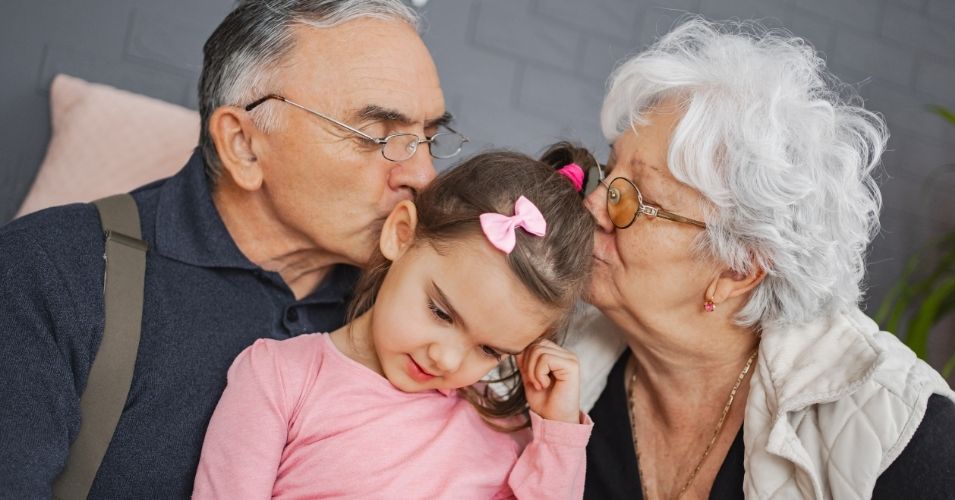
Children often carry emotions they cannot fully explain. What looks like quiet behavior, moodiness, or defiance may actually be signs of unhappiness hiding beneath the surface.
As a grandparent, you may notice subtle changes long before others do. Your love gives you a special insight into their heart, but knowing what those changes mean can be difficult. When a grandchild withdraws, acts out, or seems lost, it can leave you feeling helpless.
Yet your care and attention can make a powerful difference. Understanding the signs of emotional struggle allows you to guide them toward healing, security, and hope.
Silence That Speaks More Than Words
One of the most overlooked signs of unhappiness in a child is silence. When a grandchild who once chatted freely, told stories, and shared every detail of their day suddenly grows quiet, something deeper may be troubling them. Silence can speak volumes when it replaces laughter and open conversation.
It is easy to assume that a quiet child is simply shy or tired, but consistent silence often hides emotion. A child may stop talking when they feel overwhelmed, misunderstood, or afraid of upsetting someone. They may have experienced something at school or home that they do not know how to explain. Rather than finding comfort in words, they retreat into their thoughts.
Grandparents often notice these changes first. You might see your grandchild sitting quietly at dinner, answering with short phrases, or avoiding eye contact. They may no longer ask questions or seem curious about things they once enjoyed. This kind of silence is not peaceful; it carries the weight of unspoken feelings.
The best way to reach a silent child is through patience, not pressure. Asking too many direct questions can make them withdraw even further. Instead, create gentle opportunities for conversation. Share a story about your own life or ask about their favorite memories together. Sometimes, a child opens up when they realize they are not being interrogated but invited into connection.
Nonverbal comfort also matters. Sit beside them, take a quiet walk, or do an activity they enjoy. These moments show that you care, even without words. Eventually, that sense of safety may help them find their voice again.
It is also helpful to listen more than you speak. When they do share, resist the urge to correct or give immediate advice. A simple “I understand” or “That sounds hard” can encourage them to keep talking. Emotional safety grows through listening without judgment.
If silence persists and your grandchild shows other signs of distress, such as loss of appetite, poor sleep, or withdrawal from friends, it may be time to involve their parents or a counselor. Sometimes professional support helps uncover what they cannot yet express.
Remember that silence is not emptiness; it is often a quiet cry for connection. By offering warmth, patience, and consistent love, you remind your grandchild that they are never alone, even when they struggle to find the right words.
Anger That Covers Up Deep Sadness
Anger in children is often misunderstood. When a grandchild yells, slams doors, or lashes out unexpectedly, it is easy to see only the surface behavior. Yet anger is rarely the root emotion. Beneath that fiery reaction often lies sadness, confusion, or fear that they cannot name.
Children who feel powerless or hurt may use anger as protection. It keeps others at a distance and masks vulnerability. You might notice your grandchild snapping over small things or getting upset at harmless comments. These outbursts are not always signs of rebellion; they can be signs of pain that has no other outlet.
Sometimes anger stems from changes in their environment. A move, a divorce, bullying at school, or conflict at home can leave a child feeling unstable. They may not know how to process loss or disappointment, so frustration becomes their language. Grandparents, who often provide a calm presence, can become both targets of that anger and the key to helping them heal.
When your grandchild’s temper flares, staying calm is crucial. Responding with anger only fuels the fire. Instead, let them know it is safe to feel upset but not to hurt others in the process. You might say, “It’s okay to be angry, but it’s not okay to yell or hit.” Setting limits while remaining gentle shows that emotions can be managed with respect.
Look beyond the outburst. Ask yourself what might be causing the pain. Is there something new in their life that feels unfair or overwhelming? Try to talk when they are calm, not during the storm. A quiet moment afterward often reveals what words of anger were hiding.
Physical comfort can also help. A hug, a reassuring tone, or sitting together in silence can do more than long explanations. Anger often melts in the warmth of understanding.
Encouraging healthy outlets makes a big difference. Activities like art, journaling, sports, or spending time outdoors can help release emotions safely. It teaches that feelings are meant to be expressed respectfully.
If anger becomes frequent or extreme, professional guidance may be needed. A counselor can help uncover hidden sadness or trauma that a child cannot voice. As a grandparent, your role is to remain steady, compassionate, and patient.
Underneath anger, there is almost always a longing to be seen and understood. When you respond with love instead of frustration, you help your grandchild realize that they are safe to express feelings honestly. With time, that hidden sadness begins to lift, replaced by trust, healing, and peace.
Sudden Changes in Behavior or Interests
Children naturally grow and change, but when those changes happen suddenly or feel out of character, they can be signs that something deeper is wrong. A grandchild who once loved spending time with you, laughed easily, or enjoyed hobbies might suddenly lose interest in everything. These shifts in behavior often reveal inner struggles that words cannot.
One of the first warning signs is a sudden withdrawal from activities that once brought joy. Maybe your grandchild used to love painting, playing soccer, or reading before bed, and now they avoid those things completely. This loss of interest can signal sadness, stress, or emotional exhaustion. It may even point to early signs of depression if it continues for weeks or months.
Behavioral changes can also appear in attitude or habits. A cheerful child might become irritable, impatient, or easily frustrated. Others might seem unusually quiet or distant.
Even changes in eating or sleeping patterns can signal that something is weighing heavily on their heart. When a child’s energy, personality, or rhythm changes without an obvious reason, it deserves attention.
Grandparents often have a special advantage in noticing these differences because they remember what the child was like before. The key is not to panic but to observe with care. Ask gentle questions like, “You seem different lately. Is something bothering you?” Sometimes they may not answer right away, but your awareness opens the door to future conversations.
It’s also important to communicate with parents or caregivers about what you’ve noticed. They may have seen similar changes at home or school. Working together can help uncover the source of distress and provide support from every side.
Be careful not to push too hard. A grandchild may need time before they are ready to talk. Continue offering your presence through small gestures of love. Invite them to cook, take a walk, or do something familiar together. Even if they seem uninterested at first, the consistency of your care reminds them that they are not alone.
Over time, a child who feels seen and supported begins to open up again. Their laughter returns, and their interests slowly reappear. What they need most is not pressure to “cheer up,” but patience, comfort, and understanding as they find their way back to joy.
Pulling Away from Family and Friends
When a grandchild begins to distance themselves from loved ones, it can be painful to watch. You might notice fewer phone calls, short answers during visits, or a general disinterest in family activities.
They may also stop spending time with friends, preferring to stay alone. While some solitude is healthy, isolation often signals that something deeper is wrong.
Withdrawal from family and friends can come from feelings of sadness, shame, or confusion. A child who feels misunderstood or insecure may believe that no one truly cares or that their problems are too big to share. Instead of seeking comfort, they build walls to protect themselves from being hurt. Unfortunately, those walls also block the love and support they need most.
Peer relationships can also play a role. If your grandchild has experienced bullying, rejection, or social pressure, they may retreat to avoid more pain. Changes at school or conflicts with friends can make them doubt their worth, leading them to isolate even further.
As a grandparent, your steady love can help draw them out gently. The goal is not to force connection but to make it easy for them to return. Reach out through small, consistent gestures. Send a message, invite them to help with a simple task, or share a photo that brings back happy memories. Familiarity can reopen emotional doors.
Avoid guilt or blame. Saying things like “You never visit anymore” can make them pull away further. Instead, express genuine care. Try, “I miss spending time with you. I’d love to see you when you’re ready.” This keeps the invitation warm and pressure-free.
If they continue to withdraw, speak with their parents or teachers to understand what might be happening. Sometimes professional support is needed when isolation becomes chronic. A counselor can help uncover fears or sadness that children struggle to explain.
Remember, isolation is rarely a choice of rejection. It is often a sign of pain, confusion, or loneliness. By keeping your presence calm, steady, and loving, you remind your grandchild that family is a safe place to return to. Over time, your gentle persistence can help break through their walls and bring them back to the warmth of connection and belonging.
Constant Worry That Clouds Their Joy
When a grandchild begins to worry about everything, it can slowly drain the light from their eyes. What once brought laughter and excitement now fills them with tension. They might ask endless “what if” questions, seem afraid to make mistakes, or express nervousness over small things that never used to bother them. This constant worrying is often a sign of unhappiness, especially when it overshadows their ability to enjoy life.
Children can worry about more than we realize. Schoolwork, friendships, family issues, or even things they hear on the news can weigh heavily on their minds. Because they lack the experience to manage these thoughts, their fears can grow quickly.
Some may try to hide their anxiety, while others show it through restlessness, perfectionism, or clinginess. A grandchild who worries often may appear tired, distracted, or overly cautious in everyday situations.
Grandparents often sense when something is wrong, even when no words are spoken. The challenge lies in gently uncovering what the child feels without making them more anxious. Asking direct questions like “Are you worried about something?” can help, but sometimes they struggle to explain their feelings. A better approach might be to share your own experiences with worry. You could say, “I remember feeling nervous when I was your age too. What helps you when you feel that way?” This opens the door for conversation while showing empathy.
It helps to create a calm and predictable environment. Children who worry thrive on consistency because it gives them a sense of control. Simple routines, warm reassurance, and gentle reminders that they are safe can all bring comfort.
Avoid brushing off their concerns with phrases like “There’s nothing to worry about.” Instead, acknowledge their feelings by saying, “I understand why that would bother you.” Validation teaches them that emotions are normal and manageable.
Activities that promote relaxation can make a big difference. Reading together, going for a walk, or practicing deep breathing can shift their focus away from anxious thoughts. Encourage them to express what’s inside through art, journaling, or play. Sometimes the act of creating allows emotions to flow more easily than words ever could.
If their worry becomes constant or begins to interfere with sleep, school, or relationships, it may be time to involve a counselor. Professional guidance can help children learn coping skills that last a lifetime.
Most importantly, stay patient. Anxiety does not disappear overnight, but your steady presence reminds them they are not alone. Over time, your calmness becomes their comfort, and your understanding helps them rediscover the joy that worry once stole away.
Final Thoughts
Unhappiness in children does not always show through tears or words. Sometimes it hides behind silence, anger, withdrawal, or worry. Each of these signs carries a message, and when you pay attention, you become a bridge between pain and healing.
As a grandparent, your love holds quiet power. You can notice what others miss, offer time when others rush, and listen without judgment. Through compassion, consistency, and gentle patience, you can help your grandchild rediscover safety, confidence, and joy.
Happiness may return slowly, but with your steady heart guiding them, it always finds its way back.