
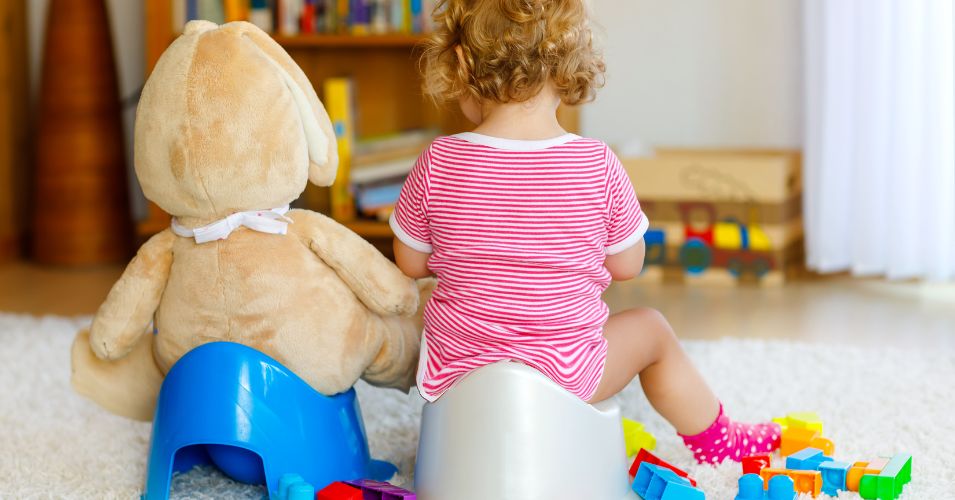
Potty training is a milestone every family looks forward to, but it is also one that requires patience and the right timing. While many toddlers show interest early, others may not be emotionally or physically ready just yet.
For grandparents helping with childcare, it is important to recognize the difference between readiness and pressure. Rushing a child into potty training too soon can create frustration, resistance, and stress for everyone involved.
Understanding the signs that your grandchild is not ready will help you approach this stage with empathy, making the experience smoother and more successful when the right time comes.
Lack of Interest or Awareness About the Potty
One of the clearest signs a grandchild is not yet ready for potty training is a complete lack of curiosity about the process. A child who is ready will begin to show awareness of their body and its signals.
They might tell you when they are wet or dirty, show interest in what happens when others use the bathroom, or want to imitate grown-up behavior. When these signs are missing, it usually means their physical and emotional development has not yet reached the stage needed for successful training.
Some children simply do not notice or care when their diaper is wet. They may continue to play without discomfort, or they might resist being changed altogether.
This lack of awareness suggests that their brain and bladder are not yet working together to recognize the feeling of needing to go. Potty training depends on this connection, and without it, accidents and confusion become common.
You may also notice a lack of interest in the potty itself. A child who is not ready might ignore it, refuse to sit on it, or even view it as a toy rather than a functional item. Trying to force them to use it before they understand its purpose often leads to frustration. The goal is to wait until curiosity grows naturally.
Grandparents can help by gently introducing the idea without pressure. Keep a potty chair visible in the bathroom and let the child explore it freely. You can read simple potty-themed books or talk about how grown-ups and older siblings use the toilet. This helps normalize the idea without turning it into a demand.
Another way to spark interest is through routine. Let them watch you or their parents wash their hands after using the bathroom or flushing the toilet. Small observations like these build understanding over time.
Patience is key. Every child develops differently, and being uninterested at age two or even three is not unusual. Forcing potty training too early can cause stress or even delay progress later. Wait until your grandchild begins to notice their bodily cues or expresses curiosity on their own. Once that happens, training becomes much easier and more positive for everyone involved.
Trouble Communicating Basic Needs Clearly
Another strong indicator that your grandchild is not ready for potty training is difficulty communicating their needs. Potty training requires not only physical readiness but also the ability to express what they feel before, during, and after using the bathroom. If a child cannot yet tell you when they need to go, the process can quickly become confusing and frustrating.
Language plays a major role in successful training. A child should be able to understand and use simple words like “potty,” “pee,” or “poop.”
They need to know how to alert an adult before it happens, not just afterward. When this communication is missing, accidents are more frequent because they simply cannot explain what their body is telling them.
Even children with developing language skills can show readiness in nonverbal ways. They might point, make a specific gesture, or walk toward the bathroom when they feel the urge. However, if none of these signs appear, it likely means they are not yet aware of the timing or importance of those signals.
Grandparents can gently encourage progress by modeling clear language during diaper changes. For example, say, “You’re wet, let’s get you clean,” or “You’re pooping, I can tell your tummy hurts.” Hearing consistent words connected to these actions helps the child associate feelings with language. Over time, they begin to repeat those words and understand their meaning.
Avoid expecting perfect speech before beginning training, but look for consistent communication. If your grandchild often struggles to follow simple directions, cannot name their body parts, or does not yet use basic phrases, it is usually too soon to start. Trying to train before they can express needs often leads to tears and resistance.
Another helpful approach is to observe how they communicate in other areas. Can they tell you when they are hungry or tired? Do they ask for help when they need something? These abilities show that they can identify internal feelings and share them effectively, which is essential for potty training success.
When you focus on strengthening communication first, you set the stage for a smoother transition later. As their vocabulary and understanding grow, their confidence does too. Soon, they will be able to tell you exactly when they need to go, turning a challenging task into an empowering achievement.
Resistance or Fear Toward Sitting on the Toilet
Some children resist potty training not because they are stubborn, but because they are genuinely afraid of the toilet. The loud flush, the feeling of sitting over an open space, or the idea of letting something “go down” can feel strange and even scary. When a grandchild cries, hides, or refuses to sit on the potty, it is a strong sign that they are not emotionally ready for this step.
Fear often comes from unfamiliarity. The bathroom can feel cold, echoing, and intimidating, especially if the child associates it with accidents or scolding.
A child may see a big toilet and imagine falling in, or they may dislike the sound of rushing water. To them, it is not a simple piece of furniture but a mysterious, noisy space that takes things away.
Sometimes resistance appears as complete avoidance. A child may hold their bladder or bowel movements rather than use the potty, which can lead to discomfort or constipation. This behavior shows that they are not yet emotionally comfortable with the process. Pushing them harder will only increase fear and delay progress.
Grandparents can help by easing the child’s worries instead of forcing the situation. Start by making the bathroom a friendly and safe place. Allow the child to spend time there without any pressure to use the toilet. They might sit fully clothed on the potty chair while reading a book or singing a song. This turns the experience into something familiar and calm rather than intimidating.
Use positive language when talking about the toilet. Avoid expressions like “You have to” or “Don’t be scared.” Instead, say things like, “This is where big kids go,” or “You can try when you feel ready.” Praise curiosity instead of performance. If they touch the potty or sit for a few seconds, celebrate that small progress.
Fear of the toilet often fades with time and gentle encouragement. Some children need a smaller potty seat that feels stable, while others may prefer watching an older sibling or cousin use the toilet to understand what happens.
By removing pressure and keeping the atmosphere positive, your grandchild will learn that the toilet is not something to fear. When comfort replaces fear, readiness soon follows.
Inconsistent Bladder or Bowel Control
Potty training relies on physical readiness just as much as emotional maturity. If your grandchild still has little control over their bladder or bowel movements, they are simply not ready to begin.
A child who frequently wets their diaper without noticing or has irregular bowel habits needs more time for their body to develop the necessary muscle coordination and awareness.
Signs of readiness include staying dry for at least two hours at a time, having predictable bowel movements, and showing awareness when they need to go. If these patterns are missing, starting training will only lead to frustration. It is not the child’s fault; their body may not yet be physically capable of holding urine or recognizing the urge in time.
Some toddlers appear ready one day and regress the next. This inconsistency is common and should not be mistaken for laziness or defiance. Growth in this area often happens in waves. For example, a child may stay dry for several days but then experience multiple accidents in a row. These changes simply mean their body and brain are still learning to communicate.
Grandparents can help by observing patterns rather than enforcing strict rules. Keep track of how long they stay dry between diaper changes or when they tend to have bowel movements. This helps identify whether consistency is developing. If you notice long dry periods and predictable timing, it might soon be time to try short potty sessions. If not, it is better to wait a little longer.
Praising progress also helps build awareness. When you notice they are dry after a nap or tell you they need changing, acknowledge it warmly. Say, “You’re learning to notice when your diaper is dry, that’s great.” This kind of encouragement supports awareness without pressure.
Avoid scolding for accidents or expecting perfection too early. Negative reactions can cause shame or anxiety, which slows progress even further. Instead, stay calm and supportive, remembering that bladder and bowel control come naturally with time and patience.
Eventually, their body will show clear signs of readiness. Until then, keeping things gentle and stress-free helps your grandchild build confidence in their own pace of development. Once consistency appears, they will take to potty training much more easily and with lasting success.
Emotional Signs Showing They Need More Time
Beyond physical readiness, emotional maturity plays a huge role in potty training success. Some children may appear capable on the outside but struggle emotionally with the change. Potty training requires a sense of independence, confidence, and security. When those feelings are missing, the process often becomes stressful and confusing. Emotional readiness cannot be rushed, no matter how old the child is.
You can often spot emotional unreadiness in how your grandchild reacts to the idea of using the potty. A child who becomes upset when their diaper is removed or who cries at the suggestion of sitting on the toilet is showing discomfort with the transition.
They might not fully understand what is being asked of them, or they may simply fear losing control of something familiar. For many toddlers, diapers represent safety and routine, and giving them up feels unsettling.
Other signs appear in daily behavior. A child who is already dealing with big emotions such as separation anxiety, tantrums, or clinginess may not be ready to take on another challenge.
Potty training requires patience and focus, and a child overwhelmed by other changes will find it too demanding. Major life events like welcoming a new sibling, moving houses, or starting daycare can also temporarily delay readiness.
Grandparents can help by providing emotional stability during this stage. Keep routines predictable and comforting. When your grandchild feels safe, they are more open to learning new skills. Avoid comparing them to siblings or friends who trained earlier. Every child develops differently, and pushing too soon can damage confidence.
Encouragement is key. Celebrate small successes, even if they have nothing to do with potty training. Praise good behavior, cooperation, and independence in other areas. As they gain confidence in daily routines, they will naturally become more open to trying new ones.
Watch for signs of progress that go beyond the potty. If your grandchild starts showing pride in doing things by themselves, communicates more clearly, and handles frustration better, it often means their emotional readiness is catching up. Once they feel secure, the transition to potty training becomes smoother and far less stressful for everyone.
Final Thoughts
Potty training should never feel like a race. Each child develops at their own pace, and readiness involves more than just age. When a grandchild shows disinterest, fear, or inconsistency, it is not failure but a message that they need more time.
As a grandparent, your patience and calm support can make all the difference. By waiting until your grandchild is truly ready, you turn potty training into a moment of growth rather than frustration.
In time, they will take this step confidently, and you will both be able to celebrate a milestone reached with love, trust, and understanding.