
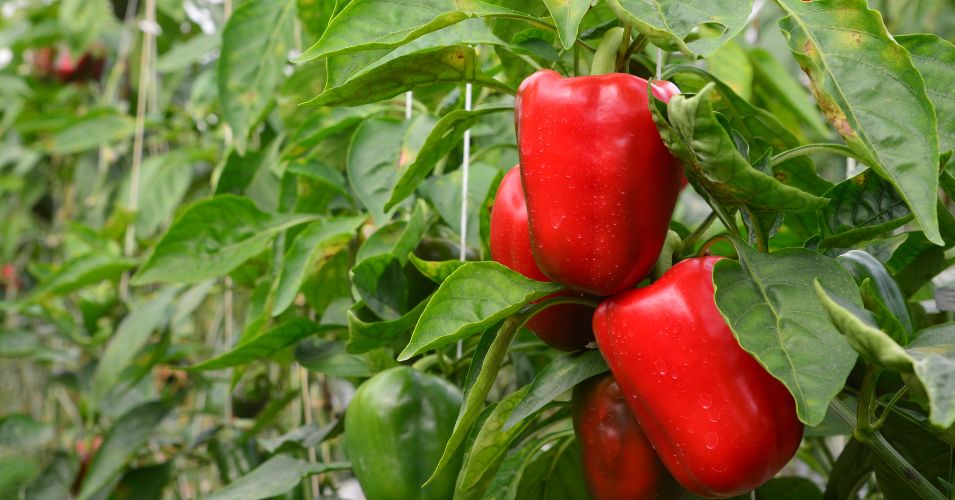
Bell peppers are one of those vegetables that seem to get along with almost everything in the garden, but a few companions stand out from the rest.
The right flowers can attract bees, certain herbs help bring in beneficial insects, and a handful of vegetables share space without getting in each other’s way.
Choosing good neighbors is not complicated, yet it can make your garden healthier and more productive over the course of the season.
Whether you are planting a few peppers in raised beds or filling a large vegetable patch, these companion planting ideas can help you get the most from every plant.
Flowers That Help Bell Peppers Thrive
A vegetable garden does not have to be made up of vegetables alone. A few carefully chosen flowers can make a surprising difference to bell peppers by attracting pollinators and beneficial insects while giving pests something else to focus on.
They also add color to the garden, making the space feel more alive throughout the growing season.
Marigolds have earned their reputation as one of the best companion plants for peppers. Their bright blooms are magnets for bees, butterflies, and hoverflies, all of which spend time moving between flowers in the garden.
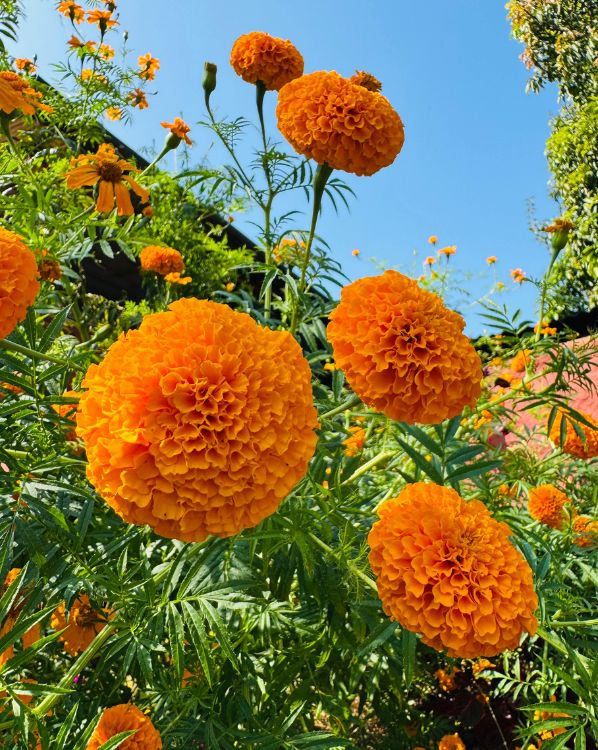
Ladybugs are also common visitors, and they quickly get to work feeding on aphids that often gather on young pepper plants. Marigolds are compact enough to tuck between peppers or line the edge of a raised bed without getting in the way.
They bloom for months, so they keep working long after many spring flowers have faded.
Nasturtiums bring a completely different benefit. Instead of trying to drive pests away, they often attract them first.
Aphids and flea beetles frequently settle on nasturtiums before they reach nearby vegetables, which gives bell peppers a chance to grow with less damage. The plants spread gently across the soil, helping cover bare ground and reducing weeds at the same time.
Their cheerful orange, yellow, and red flowers are edible too so that they can end up on your dinner plate as well as in the garden.
Sweet alyssum is easy to overlook because the flowers are tiny, but they work hard behind the scenes. Once blooming begins, hoverflies, lacewings, and small parasitic wasps visit constantly. These insects feed on nectar before searching nearby plants for aphids and other soft-bodied pests.
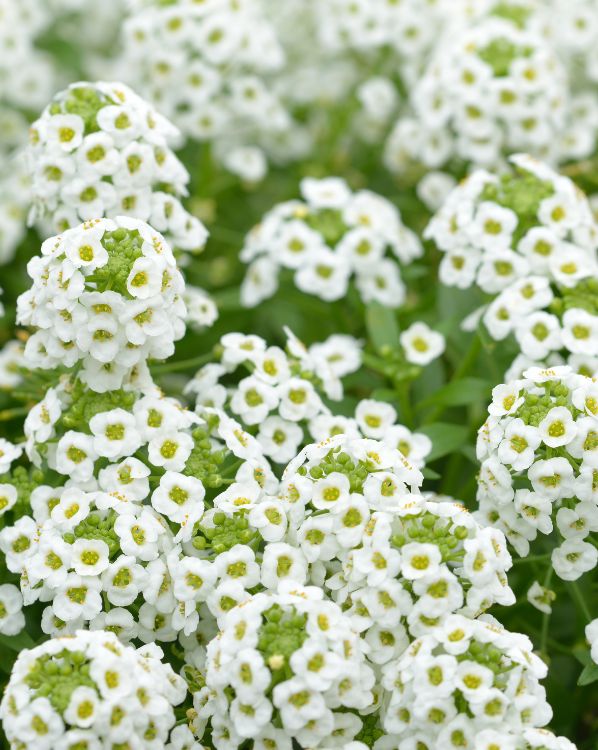
Alyssum stays low, so it never blocks sunlight from peppers, and it happily fills gaps between larger plants. Many gardeners notice that beds with alyssum seem busier with beneficial insects, creating a healthier balance that lasts all summer.
Herbs That Protect Bell Peppers From Common Garden Pests
Herbs deserve space in a pepper bed for more than cooking. Many attract the insects you want while making life harder for the ones you do not.
Since most herbs enjoy the same sunny conditions as bell peppers, they are easy companions that fit naturally into the same garden bed or container.
Basil is often the first herb gardeners reach for, and with good reason. It grows happily beside peppers because both crops like warmth and consistent moisture. As basil fills out, its aromatic leaves add another layer of diversity to the garden.
Bees regularly visit the flowers if you let a few stems bloom, helping pollinate nearby vegetables while increasing activity around the bed. Many gardeners also report fewer problems with whiteflies and thrips when basil is planted close to peppers.
Even if the effect varies from garden to garden, the pairing is practical because both crops are harvested at about the same time.
Dill is especially useful once flower buds begin to open. The flat yellow flower heads become gathering places for ladybugs, hoverflies, lacewings, and tiny parasitic wasps.
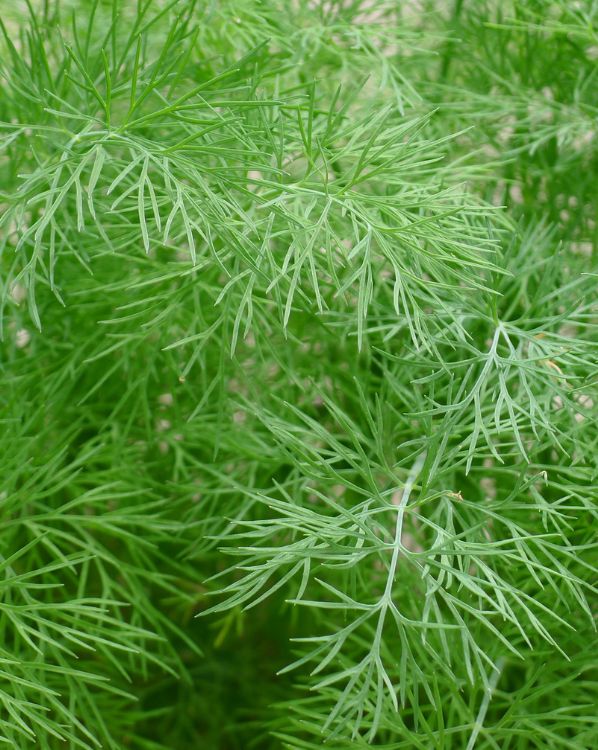
These insects are always searching for aphids and caterpillars to feed on or lay eggs near. A single flowering dill plant can attract a surprising amount of activity on a warm afternoon.
It is worth leaving a few plants unharvested so they can bloom and support the rest of the vegetable garden.
Oregano quietly earns its place without asking for much attention. It forms a dense patch that helps shade the soil and slows moisture loss during hot weather.
When the small purple flowers appear, bees and other pollinators arrive in large numbers. The plant stays productive for years with only occasional trimming, making it one of the easiest companions to maintain.
Fresh oregano is always close by for the kitchen, while the pepper plants benefit from a garden that attracts a wider range of helpful insects than vegetables alone ever could.
Vegetable Companions That Grow Well Beside Bell Peppers
Bell peppers are fairly easygoing in the vegetable garden. They do not spread far across the soil, and they grow upright rather than sprawling, which leaves room for other crops nearby.
Choosing vegetables with different growth habits lets you harvest more from the same bed without creating unnecessary competition.
Carrots are an excellent match because they use a completely different part of the soil. While peppers are busy producing stems, leaves, and fruit above ground, carrots quietly develop beneath the surface.
Their soft, feathery foliage lets plenty of sunlight reach the peppers, even when both crops are growing at full speed. Many gardeners sow carrot seeds between young pepper plants in spring, then harvest the roots later in summer without disturbing the peppers very much.
Lettuce also fits naturally beside bell peppers, especially early in the season. Pepper seedlings stay fairly compact for several weeks, leaving open patches of soil that weeds are happy to claim. Lettuce fills those gaps while temperatures are still mild.
Its leaves help shade the soil, slowing down moisture loss after watering. Once summer heat arrives and the peppers begin filling out, the lettuce is usually ready to harvest, leaving the peppers with all the space they need.
Onions round out the combination nicely. Their narrow leaves grow almost straight up, so they take very little room compared with many other vegetables.
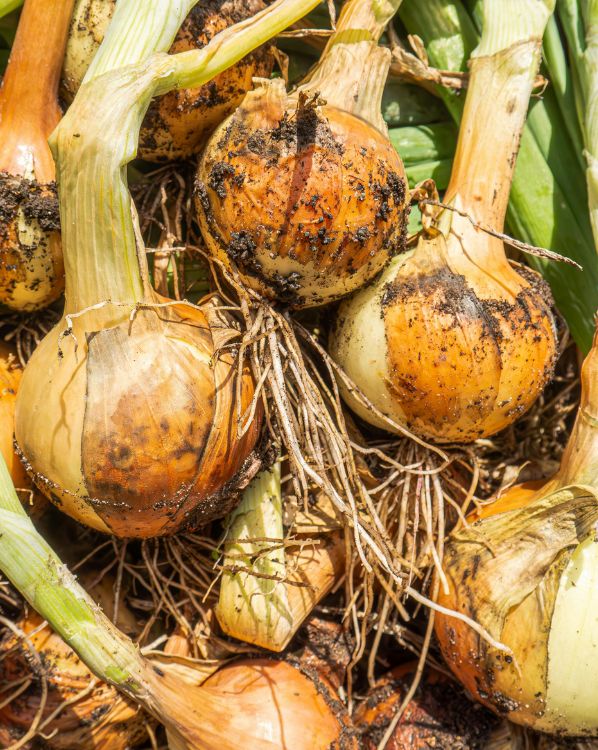
They can be planted in rows beside peppers or tucked into small spaces where nothing else would fit. Because onions have a relatively shallow footprint above ground, they rarely compete for light.
They are also one of those crops that seem to blend into almost any vegetable garden without causing problems. If your goal is to make every square foot productive, peppers, carrots, lettuce, and onions make an easy group to grow together.
Smart Plant Pairings That Make the Most of Garden Space
A well-planned vegetable garden makes every plant earn its place. Some companions attract pollinators. Others cover bare soil or improve the overall balance of the garden.
Bell peppers are flexible enough to benefit from all of these partnerships, which is why they work well in mixed planting beds instead of long rows by themselves.
Bush beans are worth considering if you have a little extra room. Unlike pole beans, they stay low enough that they will not cast heavy shade over pepper plants.
After the season ends, their roots contribute nitrogen to the soil as they break down, making them a useful part of crop rotation. During the growing season, they share the bed without demanding much attention.
Spinach takes advantage of the cooler part of the season before peppers really hit their stride. It grows quickly while the peppers are still small, using space that would otherwise sit empty for weeks.
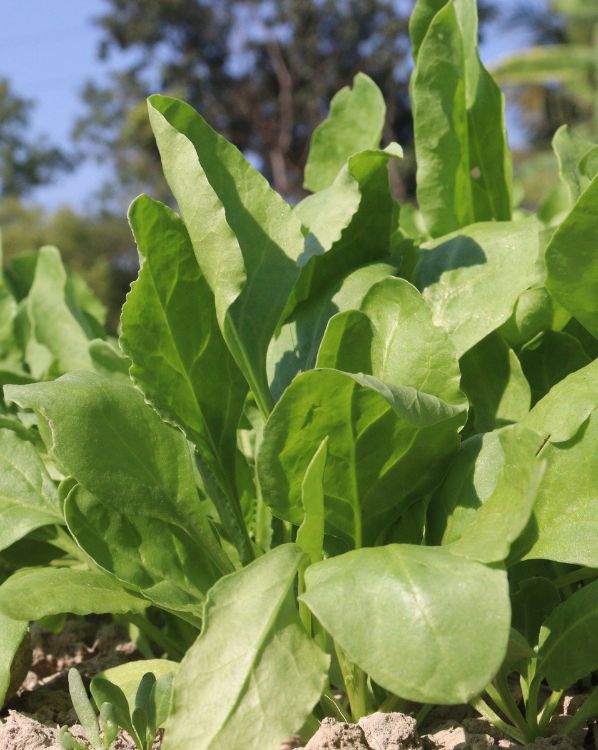
By the time hot weather arrives, the spinach has usually been picked, and the peppers can spread into the space without competing with another mature crop. It is a simple planting schedule that feels almost effortless once you have tried it.
Borage offers something different. Its star-shaped blue flowers attract bees from the moment they open, and those visitors rarely stop at just one plant. They move through the garden, visiting peppers, tomatoes, cucumbers, and anything else in bloom.
The plant has a relaxed, slightly wild appearance that contrasts nicely with neat rows of vegetables, and many gardeners leave it in place simply because it brings so much life into the garden.
Mixing plants with different strengths creates a bed that stays productive from spring through harvest. Instead of every crop competing for the same space at the same time, each one contributes something useful while allowing the bell peppers to grow comfortably.
Bell Pepper Companion Planting Mistakes
Companion planting works best when it starts with realistic expectations. A few flowers or herbs can certainly help, but they cannot make up for poor growing conditions or crowded beds.
Bell peppers still need sunshine, room to grow, and consistent care. Keeping that in mind makes it much easier to decide which plants belong nearby and which ones are better off somewhere else.
One of the biggest mistakes is letting larger crops crowd out your peppers.
Corn and other tall vegetables may seem harmless when everything is newly planted, but they grow quickly. Before long, the peppers can end up spending much of the day in the shade. Less sunlight usually means fewer flowers and slower fruit production, which is disappointing after waiting weeks for the plants to mature.
Fennel is another crop that deserves its own corner of the garden. It has a long-standing reputation for interfering with the growth of nearby vegetables, including peppers. Not every gardener notices a problem, but there is little reason to take the chance when fennel grows perfectly well in a separate bed.
It is also easy to get carried away with companion planting. Garden plans often look spacious on paper, yet by midsummer everything has doubled in size.
Herbs spread, flowers fill out, and pepper plants become surprisingly wide. What looked like clever use of space in May can become a tangled patch that traps moisture and makes harvesting awkward. Leaving a little space at planting time usually pays off later.
Another point worth remembering is that companion plants should enjoy similar growing conditions. Bell peppers appreciate evenly moist soil during the hottest part of summer.
Mediterranean herbs such as rosemary and lavender prefer drier conditions once established. Planting them shoulder to shoulder means one of them usually gets the watering schedule it would rather avoid.
Companion planting is most effective when it supports good gardening habits instead of replacing them. Think of it as one more tool that helps healthy pepper plants stay productive, not as a shortcut that solves every problem.
Final Thoughts
The best companion plants for bell peppers all bring something different to the garden. Some attract bees, others draw in beneficial insects, and a few make better use of the space around your peppers.
Those small advantages add up over the course of a growing season.
Do not feel like you have to copy someone else’s planting plan exactly. Every garden has its own soil, weather, and growing conditions. Try a few combinations, see which ones perform well, and make small adjustments each year.
Before long, you will have a pepper bed that not only looks full and colorful but also produces a harvest you can count on.