
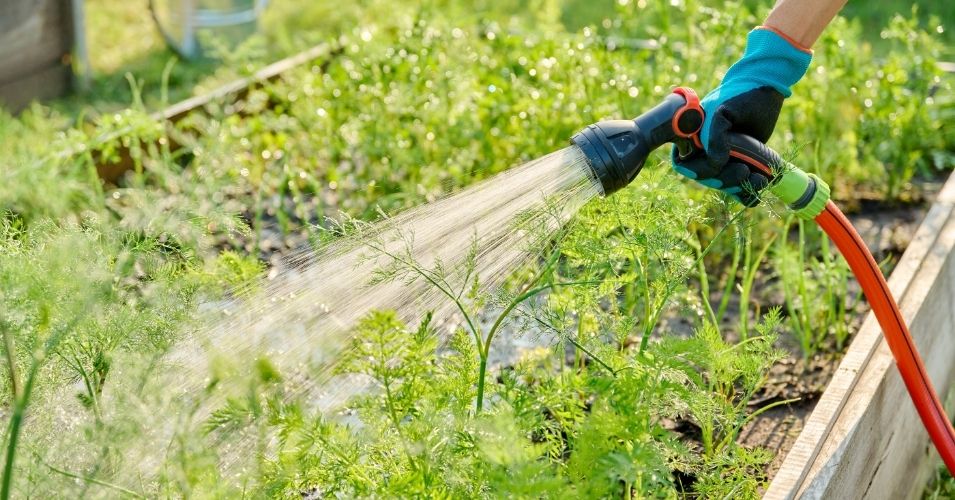
Watering your garden may seem simple, but the timing can make a surprising difference in how your plants grow, bloom, and stay healthy.
Many gardeners wonder whether it is better to water in the quiet hours of the morning or during the cooler moments of the evening. The truth is that each option brings its own benefits and challenges, and understanding them can help you make smarter choices for your plants.
When you learn how timing affects moisture, sunlight, and plant health, you gain more control over your garden’s success.
Early Day Watering Supports Strong Plant Growth
Watering early in the day gives plants a chance to absorb moisture before the heat rises. This timing helps roots take in water slowly and steadily.
As the sun comes up, plants begin their daily cycle of growth and energy use. Having access to water at this time allows them to move nutrients more effectively through their stems and leaves.
Morning watering also reduces waste because less water is lost to evaporation. Cooler temperatures allow more moisture to stay in the soil where it is needed most.
When roots remain hydrated during the day, plants are better able to handle heat and light. This leads to stronger stems and more consistent growth over time.
Leaves benefit as well because they dry naturally with increasing sunlight. This helps reduce the chance of fungal problems that thrive in damp conditions.
Gardeners often notice that plants watered in the morning appear more vibrant and upright. They are less likely to wilt during hot afternoons when stress is highest.
Another advantage is that early watering fits naturally into a plant’s rhythm. It supports how plants open their pores and begin photosynthesis as the day starts.
Over time, this simple habit can lead to healthier blooms and better yields. It creates a stable environment where plants can grow without sudden stress.
Morning watering sets the tone for the entire day. It gives your garden a strong and steady start.
Evening Moisture Creates Different Growing Conditions
Watering in the evening offers a different kind of benefit, especially on very hot days. It allows moisture to soak deeply into the soil without being quickly evaporated by the sun.
During cooler nighttime hours, water remains available to roots for a longer period. This can be helpful in dry climates where daytime watering disappears too quickly.
Evening watering can also feel more convenient for gardeners who are busy during the day. It provides a calm moment to care for plants after the heat has passed.
However, moisture that lingers overnight creates a different environment around the plant. Soil stays damp for longer, and leaves may remain wet if watered from above.
This extended moisture can sometimes lead to fungal issues or rot. Plants that prefer dry surfaces may struggle if conditions stay damp through the night.
Air circulation plays a big role in how well evening watering works. In areas with good airflow, excess moisture may dry more quickly, reducing potential problems.
Evening watering can still support growth when done carefully. Focusing water at the base of the plant helps keep leaves dry and reduces risk.
Some plants actually respond well to this timing, especially those that prefer consistent soil moisture. Understanding your plant’s needs is key to making evening watering effective.
Choosing to water at night requires a bit more attention. When done properly, it can still support a healthy and thriving garden.
Sunlight and Heat Change How Water Is Used
Sunlight and temperature strongly influence how plants use water throughout the day. As the sun rises and temperatures increase, plants begin to lose moisture through their leaves in a process called transpiration.
This natural process helps move nutrients from the roots up through the plant. When water is available in the soil, this movement supports steady growth and keeps plants strong.
Heat increases the rate at which water leaves both the soil and the plant. On very warm days, moisture can disappear faster than roots can absorb it.
This is why timing matters so much when watering your garden. If water is added during cooler hours, plants have more time to absorb it before it evaporates.
Direct sunlight can also dry out the top layer of soil quickly. Even if the soil looks moist deeper down, the surface may appear dry and misleading.
In hot conditions, plants may wilt as a protective response to conserve water. This does not always mean the plant is dry, but it shows how sensitive plants are to heat and light.
Watering at the right time helps balance this cycle. It ensures that plants have access to moisture when they need it most without losing too much to evaporation.
Understanding how sunlight and heat affect water use can help you avoid overwatering or underwatering. It allows you to respond to your garden’s needs more accurately.
When you match your watering habits to daily temperature patterns, your plants can grow with less stress and better overall health.
Plant Health Depends on Leaf and Soil Drying Time
The way leaves and soil dry after watering affects plant health. Moisture that lingers too long can create conditions where disease begins to develop.
Leaves that stay wet for extended periods are more likely to attract fungal issues. These problems often appear as spots, discoloration, or weakened growth.
Good airflow and proper timing help leaves dry at a natural pace. When leaves dry during daylight hours, the risk of disease is much lower.
Soil drying time is just as important as leaf dryness. Roots need moisture, but they also need access to air to stay healthy.
If soil remains too wet for too long, roots can struggle to breathe. This may lead to root rot, which weakens the entire plant over time.
On the other hand, soil that dries slightly between watering encourages stronger root systems. Roots will grow deeper in search of moisture, making plants more resilient.
Balancing moisture and drying time helps create a stable environment. Plants thrive when they receive water but are not constantly surrounded by it.
Watering methods can also affect how quickly things dry. Directing water at the base of the plant keeps leaves drier and focuses moisture where it is needed most.
By paying attention to how quickly your garden dries after watering, you can make small adjustments that lead to healthier plants and fewer problems.
Choosing the Best Watering Routine for Your Garden
Finding the right watering routine depends on more than just the time of day. It also involves understanding your climate, soil type, and the needs of the plants you are growing.
Some gardens thrive on early-morning watering because it aligns with natural plant rhythms. Others may benefit from evening watering in areas where heat quickly dries out moisture.
Start by observing how your soil behaves after watering. If it dries out too quickly, your plants may need deeper or more frequent watering during cooler hours.
Pay attention to your plants as well. Leaves that droop or lose color can signal that your watering schedule needs adjustment.
Different plants have different needs, and this should guide your routine. Some prefer consistently moist soil, while others grow best when the soil dries slightly between watering.
It also helps to water deeply rather than lightly. Deep watering encourages roots to grow downward, which makes plants stronger and more drought-tolerant.
Consistency matters as much as timing. A regular schedule helps plants adjust and develop stable growth patterns.
You may also need to adjust your routine as seasons change. Cooler months often require less frequent watering, while hot periods may call for more attention.
Using tools like mulch can support your efforts by helping the soil retain moisture longer. This reduces the need for constant watering and keeps conditions more balanced.
In the end, the best routine is one that fits both your garden and your daily life. When you stay observant and flexible, you can create a system that keeps your plants healthy and thriving.
Final Thoughts
Choosing the right time to water your garden can make a real difference in how your plants grow and respond to their environment. Morning watering often gives plants a strong start, while evening watering can help conserve moisture in hotter conditions.
The key is to stay aware of how your plants and soil react over time. Small adjustments can lead to better results and fewer problems.
When you match your watering routine to your garden’s needs, you create a balanced and healthy space that continues to thrive season after season.