
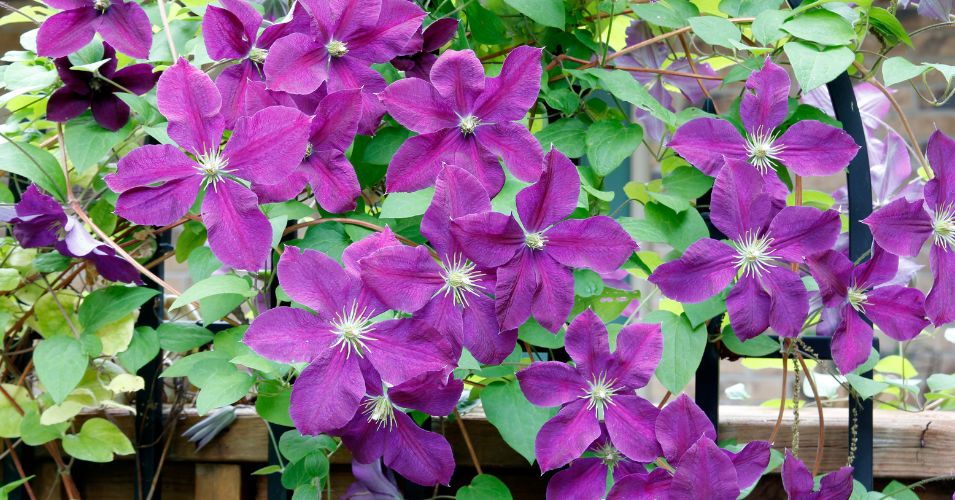
Few plants make a summer garden feel more vibrant than clematis. With its climbing habit and abundance of colorful blooms, this popular vine can transform fences, trellises, and pergolas into eye-catching features.
When conditions are right, clematis rewards gardeners with a spectacular display that lasts for weeks.
Summer, however, can be demanding for any plant. Heat, dry soil, and seasonal pests can all affect growth and flowering. The good news is that a little extra attention goes a long way.
From watering and feeding to pruning and pest prevention, this guide covers everything you need to know to keep your clematis healthy, vigorous, and full of blooms throughout the summer.
The Summer Conditions Clematis Loves Most
Few garden plants put on a summer performance quite like clematis. As temperatures rise and the days grow longer, these climbing beauties burst into action, covering trellises, fences, and pergolas with vibrant blooms.
To enjoy that spectacular display, however, your clematis needs the right environment from the start.
The first thing to know is that clematis enjoys a bit of contrast. While the flowers and foliage love sunshine, the roots prefer cooler conditions.
Gardeners often describe this as keeping the plant’s head in the sun and its feet in the shade. It may sound unusual, but this balance is one of the secrets to growing a healthy, vigorous vine.
A location that receives at least six hours of sunlight each day is ideal for most varieties. Morning sun is particularly valuable because it provides plenty of light without exposing the plant to the most intense afternoon heat.
In especially warm regions, a little shade later in the day can help preserve flower color and reduce stress.
The soil around the roots deserves just as much attention. A layer of mulch helps lock in moisture and keeps temperatures more consistent during hot weather. Some gardeners also plant low-growing perennials around the vine’s base to provide natural shade and create a more attractive garden display.
Air circulation is another piece of the puzzle. When leaves and stems have room to breathe, the plant is less likely to struggle with fungal issues during humid periods. A sturdy support structure is equally important, giving new growth plenty of space to climb and showcase its flowers.
When these conditions come together, clematis responds with remarkable vigor. Healthy foliage, strong stems, and a steady stream of blooms all begin with a growing environment that matches the plant’s natural preferences.
How Much Water Clematis Need in Hot Weather
Summer sunshine may bring out the best in clematis flowers, but it can also place extra demands on the plant. During hot weather, water becomes one of the most important factors in keeping your vine healthy, vibrant, and full of blooms.
A thirsty clematis rarely performs at its best. Flowers may become smaller, growth may slow, and the entire plant may begin to look tired. Consistent moisture helps prevent these problems and allows the vine to continue producing the lush display gardeners look forward to each year.
The key is not simply to water more often. Instead, focus on watering deeply. A thorough soaking encourages roots to grow deeper into the soil, where moisture remains available for longer. Frequent light watering often keeps roots near the surface, making the plant more vulnerable when temperatures climb.
Most established clematis plants benefit from a deep watering once or twice each week during hot spells. Of course, weather conditions, soil type, and rainfall can all affect how often watering is necessary. Sandy soil tends to dry out quickly, while heavier soils hold moisture for longer.
Newly planted clematis requires closer attention. Young roots have not yet spread deeply into the surrounding soil, which means drought stress can develop much faster. Regular checks help ensure the soil remains evenly moist without becoming waterlogged.
The timing of watering also matters. Early morning is usually the best option because it gives roots access to moisture before the heat of the day arrives. When combined with a layer of mulch around the base, this simple routine helps reduce water loss and keep the root zone cooler.
When moisture levels remain steady, clematis rewards gardeners with healthy growth and a longer-lasting floral display. A well-watered vine is better equipped to handle summer heat and continue delivering the eye-catching blooms that make this plant such a garden favorite.
The Best Fertilizer for Strong Summer Blooms
When a clematis bursts into bloom, it quickly becomes the star of the garden. Large, colorful flowers climb fences, decorate pergolas, and draw attention from anyone passing by.
However, producing that spectacular display requires energy, and during summer, your clematis needs the right nutrients to keep the show going.
Think of fertilizer as fuel for the season ahead. As the plant continues to grow and produce flowers, it uses up valuable nutrients from the soil. Without replenishment, blooming may slow, flower size may decrease, and the plant may lose some of its vigor.
A balanced fertilizer is often the best place to start. Early in the season, it supports healthy stems, lush foliage, and strong root development. Once flower buds begin to form, many gardeners switch to a fertilizer with a slightly higher phosphorus content. This nutrient helps support flower production and encourages a longer-lasting display.
More fertilizer is not always better. In fact, overfeeding can have the opposite effect. Too much nitrogen often produces an abundance of leaves while reducing the number of blooms. Instead of a vine covered in flowers, you may end up with plenty of greenery and very little color.
Organic options can be just as effective. Compost, well-rotted manure, and organic plant feeds gradually release nutrients into the soil, providing a steady source of nourishment throughout the growing season. They also improve soil structure, creating a healthier environment for roots.
Container-grown clematis usually need extra attention because nutrients wash out of pots more quickly during regular watering. A consistent feeding schedule helps replace what is lost and keeps the plant performing at its best.
The reward for proper feeding is easy to see. Stronger stems, richer flower color, and a longer blooming season all begin with a well-fed plant.
Summer Pruning and Regular Care Tasks
Summer is when clematis truly earns its place in the garden. New growth stretches upward, flowers open in abundance, and the vine becomes a living wall of color. Yet even the healthiest clematis benefits from a little attention during its busiest season.
One of the simplest ways to keep the plant looking fresh is to remove faded flowers. As blooms begin to lose their color and petals drop away, a quick trim can instantly improve the appearance of the vine. For some repeat-flowering varieties, this small task may even encourage another round of blooms later in the season.
Pruning during summer does not always mean cutting large sections of the plant. In most cases, it is about making small adjustments that improve shape and health. Damaged stems, weak growth, or yellowing foliage can be removed as needed.
These minor corrections help the vine direct its energy toward healthy growth and flowering.
Fast summer growth often creates another challenge. New stems can twist around each other, wander away from supports, or become tangled in nearby plants. Taking a few moments to guide shoots onto a trellis or pergola helps create a fuller, more attractive display. It also prevents stems from snapping during windy weather.
Summer is also the perfect time for a quick weekly inspection. Look closely at the leaves, stems, and flower buds. Early signs of pests or disease are much easier to manage before they spread throughout the plant. Catching a problem early can save a great deal of frustration later in the season.
These small care tasks may seem insignificant on their own, but together they make a remarkable difference. A few minutes spent tidying, inspecting, and guiding growth can help your clematis stay healthy, vibrant, and packed with flowers.
By the end of summer, that extra attention often shows in the form of a stronger plant and a far more impressive display.
Common Clematis Problems During Summer
Summer is when clematis is expected to shine, but it is also the season when a few common problems can appear. The good news is that most issues can be managed successfully when they are spotted early.
Regular observation and prompt action often make the difference between a minor setback and a plant that struggles.
One of the most frequent concerns is wilting. After looking healthy one day, a stem may suddenly droop and collapse. This can be caused by clematis wilt, a fungal disease that affects certain varieties.
While it can be alarming, the plant is not always lost. Removing the affected stems and maintaining good growing conditions often allows new shoots to emerge from the base.
Heat stress can also become an issue during prolonged periods of hot weather. Flowers may fade more quickly, leaves may appear scorched, and growth may slow. Keeping the roots cool with mulch and providing consistent moisture helps the plant cope with high temperatures.
Pests occasionally make an appearance as well. Aphids are among the most common visitors, gathering on tender new growth and flower buds.
In small numbers, they rarely cause significant damage, but larger populations can weaken the plant. A strong spray of water or an insecticidal soap treatment is often enough to keep them under control.
Powdery mildew is another problem gardeners may encounter, particularly during warm and humid conditions. This fungal disease appears as a white coating on leaves and stems. Good air circulation and avoiding overhead watering can reduce the chances of infection.
Yellowing leaves sometimes raise concerns, but the cause is not always serious. Overwatering, underwatering, nutrient deficiencies, or natural aging of older foliage can all contribute to discoloration. Looking at the plant as a whole usually provides clues about the underlying issue.
The best defense against summer problems is consistency. A clematis that receives proper water, adequate nutrients, and routine care is naturally more resilient.
Final Thoughts
Clematis is one of the most rewarding flowering vines you can grow, and a little summer care can make a big difference. By providing adequate water, the right nutrients, and regular maintenance, you can keep your plant healthy and blooming throughout the season.
With the right approach, your clematis will continue to add color, height, and beauty to the garden long after many other plants have faded.
The best part is that most summer care tasks require only a few minutes each week. A little attention now can lead to stronger growth, healthier foliage, and a more impressive display of blooms, allowing you to enjoy your clematis at its very best year after year.